Traveling alone in India offers freedom, culture and unforgettable experiences. For Jen Ruiz, the journey became easier with a private car and driver through India’s famous Golden Triangle.
The Golden Triangle Tour connects Delhi, Agra and Jaipur. These three cities offer a strong introduction to India through historic monuments, royal palaces, colourful markets, local food and centuries of cultural heritage.
Jen’s journey focused on comfort, flexibility and local support. Instead of joining a fixed group tour or relying on several trains and taxis, she traveled with a private car and an experienced driver. This allowed her to explore at her own pace, take breaks whenever needed and enjoy each city without rushing.
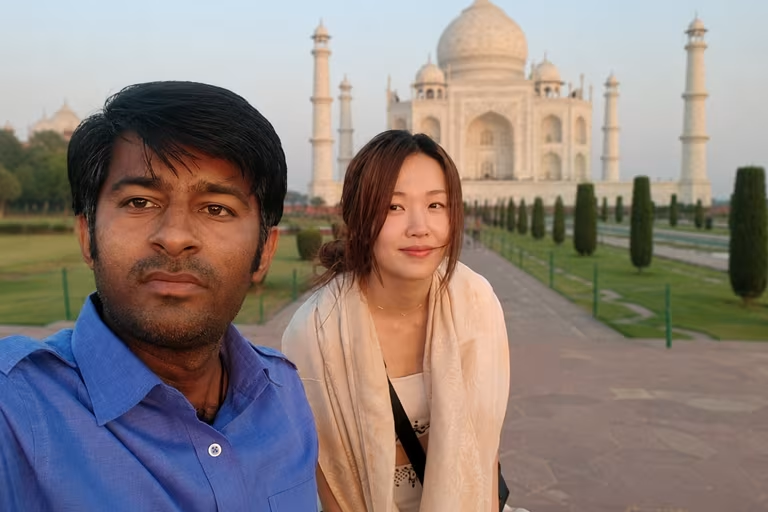
The Golden Triangle is one of India’s most popular travel routes. October to March usually offers comfortable sightseeing conditions, while April to June brings higher temperatures. The monsoon season runs across different parts of India at different levels, so travelers should check local weather before booking.
Plan Your Solo India Trip With Confidence
Get a customised Golden Triangle itinerary with a private car, experienced driver, comfortable hotels and clear pricing.
Private Driver
Flexible Itinerary
Why Choose the Golden Triangle for a Solo India Trip?
The Golden Triangle offers a practical route for first-time visitors to India. Delhi provides history, food and urban culture. Agra offers the Taj Mahal and Mughal heritage. Jaipur introduces Rajasthan through forts, palaces, traditional markets and local craftsmanship.
The cities sit within a well-known tourism circuit. This makes it easier to arrange hotels, guides, transport and sightseeing. A private driver also helps you travel directly between each destination without changing vehicles several times.
For a solo traveler, the route offers variety without requiring a long domestic flight between every city. Delhi, Agra and Jaipur also offer different experiences, so the journey does not feel repetitive.
Swipe left to view the full itinerary on mobile.
| Day | City | Main Experience | Overnight Stay |
|---|---|---|---|
| Day 1 | Delhi | Airport pickup, hotel check-in and rest | Delhi |
| Day 2 | Delhi | Old Delhi, India Gate, Qutub Minar and Humayun’s Tomb | Delhi |
| Day 3 | Agra | Drive to Agra, Agra Fort and local sightseeing | Agra |
| Day 4 | Agra to Jaipur | Taj Mahal sunrise, Fatehpur Sikri and Jaipur transfer | Jaipur |
| Day 5 | Jaipur | Amber Fort, City Palace, Jantar Mantar and Hawa Mahal | Jaipur |
| Day 6 | Jaipur | Markets, local crafts, food experience and free time | Jaipur |
| Day 7 | Departure | Airport transfer and onward travel | Departure |
Day 1, Arriving in Delhi Alone
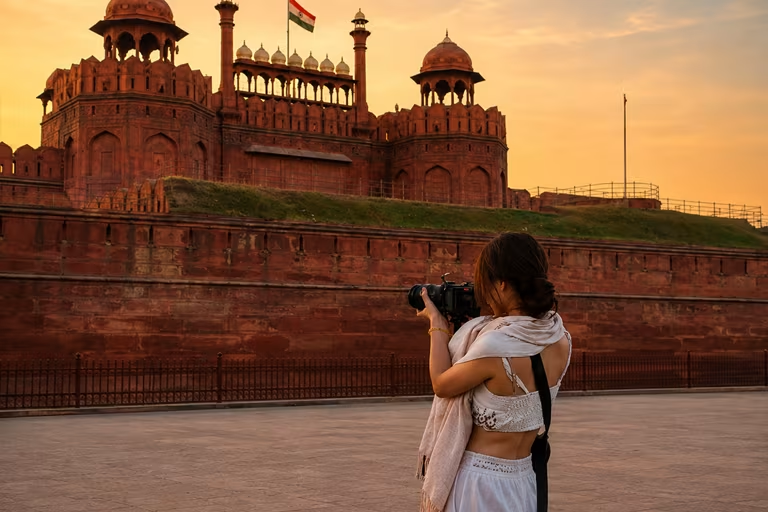
Jen arrived in Delhi with a mix of curiosity and questions. India felt different from the places she had visited before. The airport was busy, the roads were active and the city moved at a fast pace.
Her driver met her at the airport and helped her reach the hotel. This first transfer gave her time to settle in, exchange currency, check her phone connection and rest after the flight.
For solo travelers, a pre-arranged airport pickup removes a common source of stress. You do not need to search for transport after a long flight or negotiate with several drivers outside the terminal.
Jen kept her first evening simple. She checked into the hotel, ordered a light meal and reviewed the next day’s plan with her driver.
Day 2, Discovering Delhi with a Private Driver
Delhi combines old architecture, modern streets, busy markets and wide government avenues. Jen started early to avoid the strongest afternoon heat and heavy traffic.
Old Delhi
Old Delhi gave Jen her first close look at the city’s historic character. The narrow lanes, traditional shops, food stalls and old buildings created a sharp contrast with New Delhi’s open roads.
Jama Masjid and Chandni Chowk are popular stops in this area. A local guide adds useful historical context, while a private driver helps with the transfer between the old city and other attractions.
Qutub Minar
Qutub Minar is one of Delhi’s best-known historic landmarks. Jen spent time walking through the complex, taking photographs and listening to the stories connected with the monument.
Humayun’s Tomb and India Gate
Humayun’s Tomb offers landscaped gardens, Mughal architecture and a quieter setting than many busy parts of Delhi. India Gate provides another important stop, especially during an evening drive through central Delhi.
By the end of the day, Jen understood why a private driver helped. She could visit several areas without arranging a new taxi after every attraction.
Day 3, Delhi to Agra
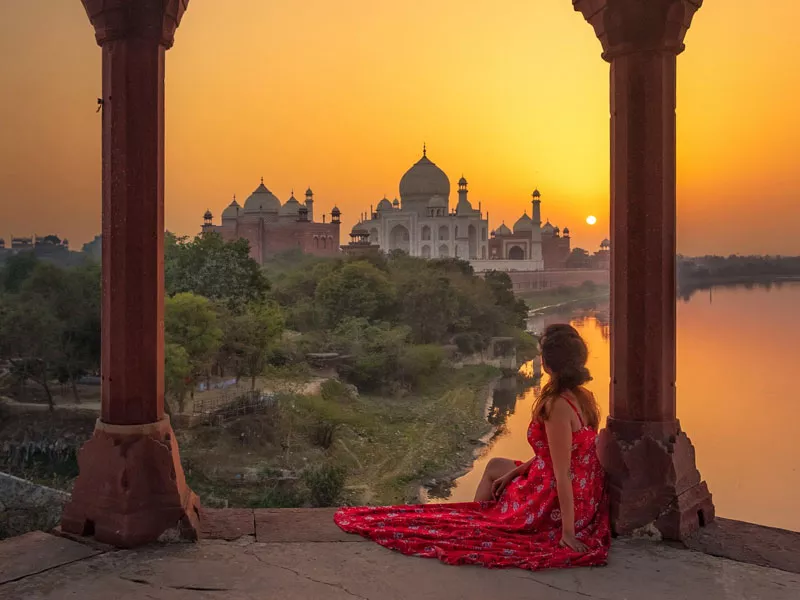
Jen left Delhi after breakfast and drove towards Agra. The journey gave her time to watch the scenery change from the capital’s busy roads to smaller towns and open countryside.
After reaching Agra, she visited Agra Fort. The fort offers views towards the Taj Mahal and helps explain the Mughal history of the city.
Jen also visited a local marble workshop. Visitors should choose reputable workshops and avoid pressure to buy. A good driver or local guide should explain the difference between an informative visit and an aggressive shopping stop.
Day 4, Taj Mahal at Sunrise and Jaipur Transfer
Jen woke before sunrise for her visit to the Taj Mahal. The early start gave her cooler weather, softer light and more time to enjoy the monument before the main crowds arrived.
The Taj Mahal is the most recognised attraction on the Golden Triangle route. Visitors should check ticket rules, entry timings, security requirements and closure days before arriving.
After breakfast, Jen continued towards Jaipur. Fatehpur Sikri provided a useful stop on the route. The historic city offers grand gateways, courtyards and red sandstone architecture.
The Agra to Jaipur transfer takes several hours, so a private car makes the journey easier. Jen took breaks for water, lunch and photographs before reaching Jaipur.
Day 5, Jaipur Forts and Palaces
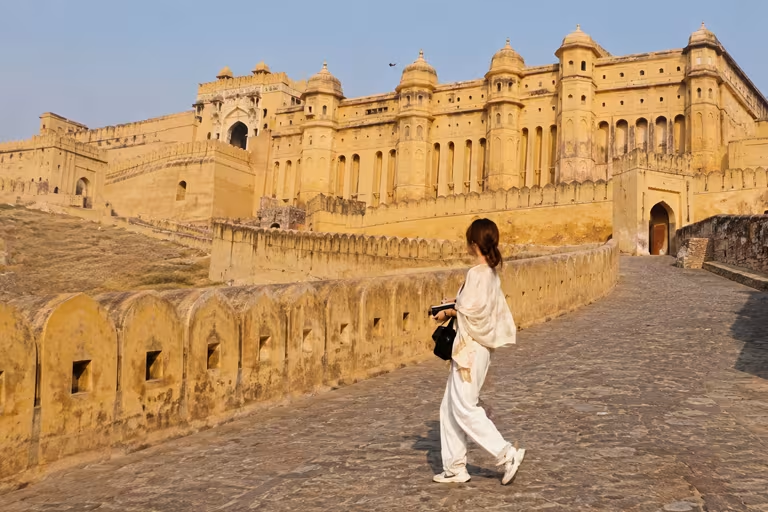
Jaipur felt different from both Delhi and Agra. The city offered wide roads, pink-coloured buildings, royal architecture and busy craft markets.
Amber Fort
Jen began with Amber Fort. The fort sits outside the central city and includes courtyards, gateways, halls and views of the surrounding hills.
Start early for a more comfortable visit. Wear practical shoes, carry water and allow enough time for walking between different sections of the fort.
City Palace
City Palace shows Jaipur’s royal history through courtyards, museum displays, textiles, weapons and traditional design. Jen spent time learning about the city’s former rulers and architectural traditions.
Hawa Mahal and Jantar Mantar
Hawa Mahal is one of Jaipur’s most photographed buildings. Jantar Mantar stands close by and features large astronomical instruments built for observing the sky.
Jen used the afternoon for a slower market walk. Jaipur is known for textiles, jewellery, block printing, blue pottery and handicrafts. Buyers should compare prices, request receipts and avoid rushed decisions.
Day 6, Experiencing Jaipur Beyond the Monuments
A solo trip does not need to include sightseeing from morning until evening. Jen kept her second Jaipur day flexible. She visited a local market, tried regional food and spent time discussing the route with her driver. Travelers who enjoy hands-on activities can add a cooking class, textile workshop, photography walk or heritage walk.
This flexible day also helps solo travelers manage energy. A private itinerary allows you to rest at the hotel when you need time away from the busy streets.
Day 7, Completing the Golden Triangle
After Jaipur, Jen’s Golden Triangle route ended with a transfer to the airport or railway station. Some travelers continue to Rajasthan, while others return to Delhi for an international flight.
A private driver makes this final transfer easier because the pickup time, route and luggage arrangements are confirmed in advance.
Why a Private Driver Works Well for Solo Travelers
Solo travelers often want independence without handling every transport decision themselves. A private driver offers a practical middle ground.
- You keep control of your daily schedule.
- You avoid finding new transport in every city.
- You receive help with luggage and hotel transfers.
- You choose when to stop for food, rest or photographs.
- You travel directly between Delhi, Agra and Jaipur.
- You receive local route information during the journey.
A private driver does not replace personal travel awareness. Jen still kept her valuables secure, shared her itinerary with family and followed local instructions at monuments and religious places.
How Much Does a Solo Golden Triangle Tour Cost?
The final cost depends on the number of days, hotel category, vehicle type, sightseeing, guide services and travel season.
| Travel Style | Approximate Daily Cost | Includes |
|---|---|---|
| Budget | USD 35 to USD 50 | Guesthouse, local food and public transport |
| Mid-Range | USD 55 to USD 90 | Comfortable hotel, restaurants and private transfers |
| Private Tour | USD 120 to USD 180 | Private car, driver, hotels and sightseeing support |
Private car and driver prices often depend on the route, vehicle category, distance and included services. Confirm whether fuel, tolls, parking, driver allowance and taxes are included in the final quotation.
A solo traveler often pays the full vehicle cost alone. Sharing a car with another traveler reduces the transport cost per person, but a private vehicle offers more personal control and flexible timing.
Best Vehicle for a Solo Golden Triangle Tour
- Sedan, suitable for one traveler with light luggage.
- SUV, useful for extra luggage and more space.
- Premium SUV, suitable for travelers who prefer additional comfort.
Tell the tour operator how many bags you carry before confirming the vehicle. The correct luggage space makes long road journeys more comfortable.
Solo Travel Safety Tips for India
Jen followed a few simple habits during the trip. These habits helped her stay organised without limiting her experience.
- Use a pre-arranged airport transfer.
- Stay in hotels with strong reviews and a central location.
- Share your daily itinerary with a family member.
- Keep digital and printed copies of travel documents.
- Carry small amounts of cash for local expenses.
- Use bottled water and eat at trusted restaurants.
- Keep your passport and valuables secure.
- Dress respectfully at temples, mosques and other religious sites.
- Stay with your driver or guide in busy areas when needed.
- Ask for a written quotation before making payment.
India offers different conditions from city to city. Stay alert in crowded markets, transport hubs and tourist areas. A private driver adds convenience, but personal awareness still matters.
Best Time for a Solo Golden Triangle Tour
October to March is the most popular period for visiting Delhi, Agra and Jaipur. The weather usually feels more comfortable for forts, monuments, markets and outdoor walking.
April to June brings stronger heat, especially in Agra and Rajasthan. Travelers visiting during this period should plan early sightseeing, carry water and schedule afternoon breaks.
July to September brings monsoon weather. Rainfall varies by destination. Some travelers prefer this season for lower hotel rates and greener scenery, while others prefer the drier months for sightseeing.
Winter travel also brings higher demand. Book hotels, private vehicles and monument visits early when traveling between October and March.]
What to Pack for a Solo India Tour
- Light, breathable clothing.
- Comfortable walking shoes.
- Scarf or shawl for religious sites.
- Sunscreen, sunglasses and a hat.
- Reusable water bottle.
- Portable charger and travel adapter.
- Basic medicines and personal prescriptions.
- Travel insurance documents.
- Copies of passport and visa.
- Small day bag with secure zippers.
Frequently Asked Questions
1. Is the Golden Triangle suitable for a solo traveler?
Yes. Delhi, Agra and Jaipur offer strong tourism infrastructure, many hotel choices and a wide range of sightseeing options. A private driver provides easier transfers and local support.
2. Is it safe for a woman to travel solo in India?
Many women visit India independently and with private travel services. Choose reputable hotels, use arranged transport, share your itinerary and follow practical safety habits throughout the trip.
3. How many days are enough for the Golden Triangle?
Five to seven days offer enough time for Delhi, Agra and Jaipur. A 7-day itinerary gives you more time for markets, local experiences and rest.
4. What is included in a private car and driver tour?
Most packages include a private air-conditioned vehicle and driver. Some packages also include fuel, tolls, parking and driver allowance. Hotels, guides, meals and entry tickets depend on your quotation.
5. How much does a solo Golden Triangle tour cost?
A budget trip often costs USD 35 to USD 50 per day. A comfortable private trip often costs USD 100 to USD 180 per day, based on the hotel, vehicle and sightseeing services selected.
6. Can I customise the Golden Triangle itinerary?
Yes. You can add Ranthambore, Pushkar, Udaipur, Varanasi or a longer Rajasthan route. Your travel operator should adjust the route according to your dates, interests and preferred pace.
7. What is the best month for the Golden Triangle?
October to March is a popular period because sightseeing conditions are more comfortable. April to June brings hotter days, while July to September brings monsoon weather in different parts of the route.
Ready to Plan Your Solo Golden Triangle Tour?
Share your travel dates, hotel preference and sightseeing interests. Our team will create a comfortable Golden Triangle itinerary with a private car and experienced driver.

Jen Ruiz
Jen’s journey shows how a private car and driver can make a solo Golden Triangle tour more comfortable, flexible and organised.

