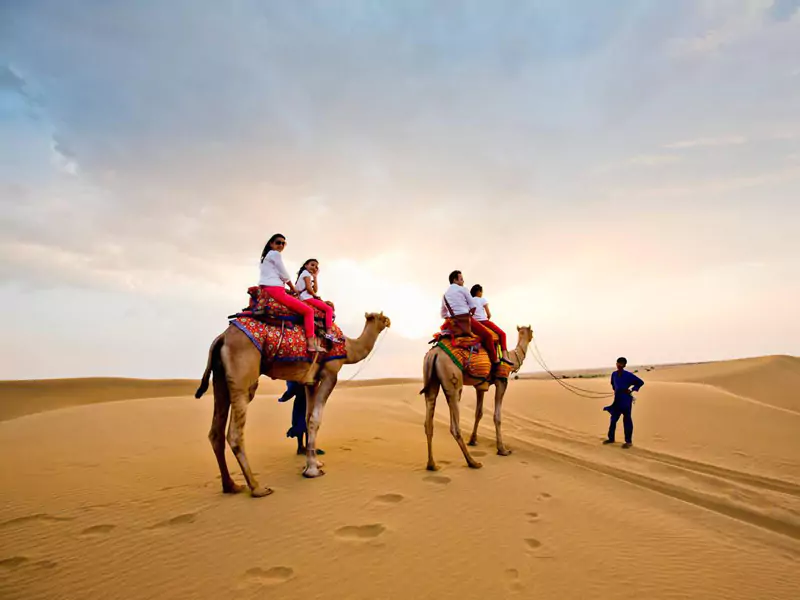
Rajasthan is one of the most fascinating travel destinations in India. It is a land of magnificent forts, colourful bazaars, grand palaces, desert landscapes, beautiful lakes, traditional villages and unforgettable hospitality. Every city has a different character. Jaipur is famous for its royal architecture and lively markets, Jodhpur is known for its blue houses and massive fort, Udaipur is loved for its lakes and romantic atmosphere, while Jaisalmer offers the magical experience of staying near the golden sand dunes.
Planning a Rajasthan trip can sometimes feel confusing because the state is very large and its popular destinations are spread across long distances. Many travelers try to include too many cities in a short trip and end up spending most of their holiday inside a car. A well-planned itinerary should give you enough time to enjoy the main attractions without making every day feel rushed.
Whether you have 7 days, 10 days or 14 days, Rajasthan can be explored comfortably with the right route. This complete Rajasthan itinerary guide explains where to go, how many nights to stay, what to see, how to travel between destinations, and how to choose the right route for your interests.
Quick recommendation: For a first Rajasthan trip, the best balanced route is Jaipur, Pushkar, Jodhpur, Udaipur and either Chittorgarh or Jaisalmer. With 7 days, focus on three or four places. With 10 days, add the desert or Chittorgarh. With 14 days, you can enjoy a more complete Rajasthan journey at a relaxed pace.
Why Visit Rajasthan?
Rajasthan is not only about visiting forts and taking photographs. It is about experiencing a way of life that has developed over centuries. The state combines history, architecture, religion, music, food, crafts and landscapes in a way that feels completely different from other parts of India.
In Jaipur, you can walk through colourful markets, visit impressive royal buildings and enjoy traditional Rajasthani food. In Jodhpur, the blue-painted old city spreads below Mehrangarh Fort, creating one of the most memorable city views in India. Udaipur offers peaceful lake views, boat rides and beautiful sunset experiences. Jaisalmer introduces you to the Thar Desert, where golden sandstone buildings and wide open landscapes create a completely different atmosphere.
Rajasthan is also ideal for travelers who enjoy private journeys. A private car with a local driver allows you to stop at villages, viewpoints, roadside handicraft shops and historic sites that are not always easy to reach by public transport. It also gives you the flexibility to begin sightseeing early, take breaks during long journeys and adjust the itinerary according to your interests.
For families, couples, senior travelers and first-time visitors to India, a private Rajasthan tour can be more comfortable than trying to manage every train, bus and transfer independently. The important thing is to avoid planning too many long drives on consecutive days.
Best Time to Visit Rajasthan
The most comfortable time to visit Rajasthan is generally from October to March. During these months, the daytime weather is usually suitable for sightseeing and the evenings are cooler, particularly in desert cities such as Jaisalmer and Bikaner. November, December, January and February are especially popular months for Rajasthan travel.
October and November are attractive for travelers who want pleasant weather and a lively cultural atmosphere. The winter months of December and January can be cool in the mornings and evenings, so a light jacket or warm layer is useful. February and March are also good months, although daytime temperatures begin to rise later in March.
April, May and June can be very hot, particularly in the desert region. Travel is still possible during this time, but sightseeing should be planned early in the morning and late in the afternoon. Hotels with air conditioning become especially important during the warmer months.
The monsoon season usually brings some rain between July and September. Rajasthan receives less rainfall than many other parts of India, but the weather can still be humid and some outdoor plans may need flexibility. Udaipur, Bundi, Jaipur and Mount Abu can be enjoyable during the monsoon because the landscape becomes greener and the lakes look beautiful.
| Season | Weather | Best For |
|---|---|---|
| October to November | Warm days and comfortable evenings | Heritage tours, festivals and photography |
| December to February | Cool mornings, sunny days and cold nights | Best overall sightseeing season |
| March to June | Hot, especially in desert areas | Early-morning sightseeing and lower-season travel |
| July to September | Occasional rain and higher humidity | Udaipur, Bundi, Jaipur and relaxed travel |
How Many Days Do You Need in Rajasthan?
The ideal length of a Rajasthan trip depends on what you want to see. A 7-day trip is enough for the highlights, but you will need to choose your destinations carefully. A 10-day journey gives you more flexibility and allows you to include either Jaisalmer or an additional heritage destination. A 14-day itinerary is best for travelers who want to explore Rajasthan at a slower pace and include smaller towns, wildlife or desert experiences.
Rajasthan in 7 Days
Seven days is suitable for a classic Rajasthan introduction. The most practical routes include Jaipur, Jodhpur and Udaipur, or Jaipur, Jodhpur, Jaisalmer and a short stop in Pushkar. Trying to include Jaipur, Jaisalmer, Udaipur, Bikaner and Ranthambore in only seven days would create a very rushed holiday.
Rajasthan in 10 Days
Ten days allows you to include the main cities and add one special experience. You could choose a desert camp in Jaisalmer, a wildlife safari in Ranthambore, the sacred town of Pushkar, or the historic forts of Chittorgarh and Kumbhalgarh.
Rajasthan in 14 Days
Fourteen days is ideal for a complete Rajasthan road trip. You can combine Jaipur, Pushkar, Bikaner, Jaisalmer, Jodhpur, Ranakpur, Udaipur, Chittorgarh and Ranthambore without making every day too demanding. You may also add Bundi, Mount Abu or a rural village experience depending on your interests.
Best Rajasthan Itinerary for 7 Days
This 7-day itinerary is designed for first-time visitors who want to experience royal architecture, colourful markets, forts, palaces, lakes and the culture of Rajasthan. It begins in Jaipur and finishes in Udaipur, but it can also be modified to begin and end in Delhi.
Day 1: Arrive in Jaipur

Arrive in Jaipur, the capital of Rajasthan and one of the most popular starting points for a Rajasthan tour. After checking into your hotel, keep the first day relaxed. Long international flights, airport transfers and the heat can make a full sightseeing schedule uncomfortable.
If you arrive early, visit the City Palace area and take a gentle walk through the old city. You can also see Hawa Mahal from the outside and explore the nearby markets. Johari Bazaar is known for jewellery, while Bapu Bazaar is popular for textiles, handicrafts, shoes and souvenirs.
In the evening, enjoy a traditional Rajasthani dinner. Dishes such as dal baati churma, gatte ki sabzi, ker sangri and bajra roti are worth trying. If you prefer a lighter first evening, choose a hotel restaurant where the spice level can be adjusted.
Overnight: Jaipur
Day 2: Jaipur Sightseeing
Begin your day at Amber Fort, located outside the main city. The fort is one of the major highlights of Jaipur and offers a magnificent combination of courtyards, gateways, palaces and hilltop views. Leave early to avoid the strongest heat and the busiest crowds.
After Amber Fort, stop at Jal Mahal for photographs from the lakeside viewpoint. The palace stands in the middle of Man Sagar Lake and is especially attractive in the morning or late afternoon.
Continue to the City Palace, where you can see royal courtyards, museum collections, textiles, weapons and decorated gateways. Next, visit Jantar Mantar, an impressive historic observatory with large astronomical instruments.
End the day with a visit to Hawa Mahal. The best photographs are usually taken from the street opposite the palace. You can also enjoy a rooftop café nearby with a view of the pink city.
Overnight: Jaipur
Day 3: Jaipur to Pushkar or Jodhpur

Udaipur Chittorgarh Pushkar Jaipur Tour
On the third day, drive from Jaipur toward Pushkar. Pushkar is a small and colourful town built around a sacred lake. It is known for temples, ghats, narrow lanes, handicraft shops and a relaxed spiritual atmosphere.
Spend a few hours walking around Pushkar Lake and visiting the Brahma Temple. The town is best explored slowly because its charm comes from the small streets, local shops and daily rituals rather than one large monument.
After Pushkar, continue toward Jodhpur if you are following the Jaipur-Jodhpur-Udaipur route. If you prefer a slower itinerary, stay overnight in Pushkar and travel to Jodhpur the next morning.
Overnight: Pushkar or Jodhpur
Day 4: Explore Jodhpur
Jodhpur is known as the Blue City because many houses in the old city are painted in shades of blue. The city is dominated by Mehrangarh Fort, one of the most impressive forts in India. Its massive walls, palace rooms, carved balconies and museum collections provide beautiful views over the city.
After visiting Mehrangarh Fort, explore Jaswant Thada, a peaceful marble memorial surrounded by gardens. It offers a quieter experience after the busy fort.
In the afternoon, walk through the old market around the clock tower. You can shop for spices, textiles, leather goods, handicrafts and traditional snacks. Try the famous Jodhpuri mawa kachori or other local sweets from a clean and trusted shop.
Overnight: Jodhpur
Day 5: Jodhpur to Udaipur via Ranakpur
Travel from Jodhpur to Udaipur. This is one of the most scenic road journeys in Rajasthan, especially if you stop at Ranakpur. The route passes through the Aravalli hills and rural landscapes.
Ranakpur is famous for its beautifully carved Jain temples. The main temple is known for detailed marble pillars and impressive craftsmanship. Visitors should dress respectfully and follow local photography rules.
Continue to Udaipur and check into your hotel. If you arrive before sunset, visit a lakeside viewpoint or enjoy a boat ride on Lake Pichola. Udaipur is particularly attractive in the evening when the palaces and waterfront buildings are illuminated.
Overnight: Udaipur
Day 6: Explore Udaipur

Begin your Udaipur sightseeing at the City Palace, which stands beside Lake Pichola. The palace complex includes courtyards, balconies, decorated rooms and museum galleries. Take your time here because the complex is large and there are many details to appreciate.
Later, visit Jagdish Temple and walk through the old city lanes. You can stop at a café for tea or lunch before visiting Saheliyon-ki-Bari, a historic garden with fountains and greenery.
In the evening, enjoy a boat ride on Lake Pichola if weather and lake conditions permit. The boat ride provides beautiful views of the City Palace, Jag Mandir and the surrounding hills. A sunset dinner at a rooftop restaurant is another popular way to finish the day.
Overnight: Udaipur
Day 7: Udaipur Departure
Keep your final morning relaxed. Depending on your departure time, you can visit a local market, enjoy breakfast beside the lake or take a short walk around the old city.
You can fly from Udaipur to Delhi, Mumbai or another major Indian city. If you are returning by road, your driver can take you to Jaipur, Delhi or another destination according to your onward travel plan.
Best for: First-time visitors, couples, families and travelers who want a balanced introduction to Rajasthan without covering the entire state.
Best Rajasthan Itinerary for 10 Days
This 10-day Rajasthan itinerary adds the desert city of Jaisalmer to the classic route. It is a good choice for travelers who want to experience forts, palaces, lakes, colourful markets and the Thar Desert during one trip.
Day 1: Arrive in Jaipur
Arrive in Jaipur and keep the first day easy. After checking into your hotel, rest and explore the nearby area if you have enough energy. A short visit to Hawa Mahal or a local market can be included in the evening.
Overnight: Jaipur
Day 2: Jaipur City Tour
Spend a full day exploring Jaipur. Visit Amber Fort, Jal Mahal, the City Palace, Jantar Mantar and Hawa Mahal. If you enjoy photography, begin early because the morning light is softer and the monuments are usually less crowded.
In the evening, you can visit a traditional market or enjoy a cultural dinner with folk music and dance. Choose a cultural show carefully and confirm the duration in advance, particularly if you are traveling with children or senior family members.
Overnight: Jaipur
Day 3: Jaipur to Pushkar
Travel to Pushkar after breakfast. Spend the afternoon around Pushkar Lake, visit the Brahma Temple and explore the small market streets. Pushkar is a good place to slow down after two busy sightseeing days in Jaipur.
If you are interested in photography, the narrow lanes and colourful local shops provide many opportunities. Be respectful around temples and religious ceremonies.
Overnight: Pushkar
Day 4: Pushkar to Jodhpur
Drive to Jodhpur and check into your hotel. After lunch, visit the clock tower market and explore the old city. Depending on your arrival time, you can also visit Jaswant Thada or enjoy a sunset view of the blue city.
Overnight: Jodhpur
Day 5: Jodhpur Sightseeing
Spend the morning at Mehrangarh Fort. The fort is one of the most important cultural attractions in Rajasthan and offers excellent views over the blue-painted houses of Jodhpur.
Later, visit Jaswant Thada and explore the old city. If you prefer a more relaxed day, spend the afternoon at your hotel or choose a guided food walk through the market area.
Overnight: Jodhpur
Day 6: Jodhpur to Jaisalmer
Travel from Jodhpur to Jaisalmer. The landscape gradually becomes drier and more open as you move toward the Thar Desert. The journey is long, so begin early and carry water, snacks and sun protection.
After reaching Jaisalmer, take a short walk around the old city if you still have energy. The golden sandstone buildings look especially beautiful in the late afternoon.
Overnight: Jaisalmer
Day 7: Explore Jaisalmer Fort and the Old City
Jaisalmer Fort is different from many other forts in Rajasthan because it is still a living fort. Local families, shops, temples, guesthouses and restaurants operate inside its walls.
Explore the fort lanes, visit Jain temples and see the decorated havelis in the old city. Patwon Ki Haveli, Salim Singh Ki Haveli and Nathmal Ki Haveli are among the most well-known heritage buildings.
In the evening, enjoy a rooftop dinner with views of the fort. Choose a restaurant with good hygiene and avoid ordering more food than you can comfortably finish.
Overnight: Jaisalmer
Day 8: Desert Experience
Travel to the Sam or nearby desert area for a desert experience. Many travelers enjoy a camel ride, a jeep safari, sunset photography, folk music and dinner at a desert camp.
You do not need to choose the most basic camp to experience the desert. Comfortable camps with private bathrooms, proper beds and dining areas are available. If you are traveling with senior citizens or young children, confirm the camp facilities before booking.
Desert nights can become cold during winter, while afternoons can be very warm. Carry a light jacket in winter and use sunscreen, a hat and comfortable shoes throughout the year.
Overnight: Desert camp or Jaisalmer
Day 9: Jaisalmer to Udaipur or Return Route
There are two ways to plan Day 9. Travelers who want to include Udaipur can take a long transfer or use a suitable train or flight connection if available. Travelers who prefer a smoother route can return toward Jodhpur or Jaipur and use the day as a travel and rest day.
Do not choose a route only because it appears short on a map. Road conditions, traffic, stops and sightseeing breaks can make actual travel time longer than expected. Your driver or local tour planner can recommend the most comfortable connection for your dates.
Day 10: Departure
Use the final day for departure from Udaipur, Jodhpur, Jaisalmer, Jaipur or Delhi according to your route. If your flight is from Delhi, allow enough time for the road journey and avoid booking a flight too soon after a long-distance transfer.
Best for: Travelers who want to experience the main heritage cities plus the Thar Desert.
Best Rajasthan Itinerary for 14 Days
A 14-day trip gives you enough time to explore Rajasthan in a more complete and comfortable way. This route includes the major cities, the desert, a wildlife option and some of the most important forts and cultural sites.
Day 1: Arrive in Delhi or Jaipur
You can start this itinerary in Delhi or Jaipur. If your international flight arrives in Delhi, spend the first night there or transfer to Jaipur depending on your arrival time. Travelers who want a more relaxed beginning can stay in Delhi and visit a few highlights before continuing to Rajasthan.
If you arrive in Jaipur, keep the first day light and use it to settle into your hotel.
Day 2: Jaipur Amber Fort and Old City
Visit Amber Fort in the morning, followed by Jal Mahal, the City Palace and Jantar Mantar. End the day near Hawa Mahal and the old markets.
Day 3: Jaipur Local Experiences
Use the third day for attractions that were missed on the previous day. You can visit Albert Hall Museum, Gaitor Ki Chhatriyan, Nahargarh Fort or a local craft centre.
This extra day also gives you time to shop for textiles, block-printed fabrics, jewellery, blue pottery and handicrafts without rushing.
Day 4: Jaipur to Pushkar
Travel to Pushkar and spend the afternoon around the lake and temples. If you enjoy photography, visit the market during the late afternoon when the town becomes more active.
Day 5: Pushkar to Bikaner
Continue to Bikaner, a historic desert city known for Junagarh Fort, old havelis and traditional food. Bikaner is often less crowded than Jaipur and Jaisalmer, making it a good addition for travelers who want a slightly quieter experience.
Visit Junagarh Fort after arrival if time permits. The fort includes courtyards, palaces and beautifully decorated rooms.
Day 6: Bikaner to Jaisalmer
Travel toward Jaisalmer. This is a longer road day, so an early start is recommended. Take breaks along the way and keep the evening simple after reaching Jaisalmer.
Day 7: Jaisalmer Fort and Havelis
Spend a full day exploring Jaisalmer Fort, the Jain temples and the historic havelis. Walk through the old city and enjoy the golden colour of the sandstone buildings.
Do not rush through the fort. The most interesting details are often found in carved windows, narrow lanes, old doorways and small temples.
Day 8: Jaisalmer Desert Camp
Travel to the desert area for a sunset experience and overnight camp stay. Depending on your preference, you can choose a camel ride, jeep ride, cultural program or simply relax on the dunes.
Day 9: Jaisalmer to Jodhpur
Return from the desert and continue to Jodhpur. After checking into your hotel, take a rest or explore the clock tower market.
Day 10: Jodhpur Sightseeing
Visit Mehrangarh Fort, Jaswant Thada and the old city. If you want a special dining experience, choose a rooftop restaurant with a view of Mehrangarh Fort.
Day 11: Jodhpur to Ranakpur and Kumbhalgarh
Travel through the Aravalli hills toward Ranakpur and Kumbhalgarh. Visit the Jain temples at Ranakpur and continue to Kumbhalgarh Fort if time permits.
Kumbhalgarh is famous for its long defensive wall and hilltop setting. The fort is more spread out than many city monuments, so comfortable shoes and enough time are important.
Overnight: Kumbhalgarh or Udaipur, depending on the selected route.
Day 12: Kumbhalgarh to Udaipur
Continue to Udaipur. After arrival, spend a relaxed evening beside Lake Pichola. A boat ride, rooftop dinner or quiet walk through the old city is a good way to enjoy the atmosphere.
Day 13: Udaipur Sightseeing
Visit the City Palace, Jagdish Temple, Saheliyon-ki-Bari and one of Udaipur’s lakeside viewpoints. Keep some free time in the afternoon because Udaipur is best enjoyed without a completely packed schedule.
Day 14: Departure
Depart from Udaipur or continue to your next destination. If you want to add Ranthambore, Chittorgarh or Bundi, reduce the time in another city rather than trying to add everything without enough nights.
Best for: Travelers who want a complete Rajasthan experience with heritage, desert, markets, lakes, forts and optional rural or wildlife experiences.
Optional Additions to Your Rajasthan Itinerary
Ranthambore National Park
Ranthambore is a popular choice for travelers interested in wildlife and tiger safaris. It works best as a two-night addition because safaris operate at specific times and wildlife sightings cannot be guaranteed.
Ranthambore is easier to include on a route between Jaipur and Agra or Jaipur and Kota than on a fast western Rajasthan circuit. If wildlife is a priority, plan it at the beginning or end of the itinerary instead of forcing it between Jaisalmer and Udaipur.
Chittorgarh
Chittorgarh is one of the most important historic sites in Rajasthan. Its massive hilltop fort contains temples, towers, palaces and memorials associated with Mewar history.
Chittorgarh can be visited as a stop between Udaipur and another destination, but travelers who want to understand its history properly may prefer an overnight stay.
Bundi
Bundi is a quieter alternative to some of Rajasthan’s larger tourist cities. It is known for its palace, fort, stepwells and traditional atmosphere. The town is especially suitable for travelers who enjoy architecture, photography and less crowded destinations.
Mount Abu
Mount Abu is Rajasthan’s hill station. It provides a cooler change of scenery and is known for Dilwara Jain Temples, Nakki Lake and forested hills. It requires additional travel time, so it is better suited to a 14-day itinerary.
Shekhawati
The Shekhawati region is known for painted havelis and historic merchant towns. Mandawa, Nawalgarh and nearby villages can be included by travelers who enjoy wall paintings, heritage architecture and local culture.
Rajasthan Route Options
There is no single perfect Rajasthan route. The right route depends on your arrival city, departure city, preferred pace and main interests.
Classic Heritage Route
Jaipur – Pushkar – Jodhpur – Udaipur
This is one of the most comfortable routes for a first Rajasthan trip. It offers forts, palaces, temples, markets, lakes and cultural experiences without requiring the longest desert transfers.
Desert and Fort Route
Jaipur – Jodhpur – Jaisalmer – Bikaner
This route is suitable for travelers who want to experience the Thar Desert, golden sandstone architecture and the historic desert cities of western Rajasthan.
Complete Rajasthan Route
Delhi – Jaipur – Pushkar – Bikaner – Jaisalmer – Jodhpur – Udaipur – Chittorgarh – Ranthambore – Delhi
This is a longer route that requires at least 12 to 14 days. It combines royal cities, desert landscapes, lakes, historic forts and wildlife.
Romantic Rajasthan Route
Jaipur – Jodhpur – Ranakpur – Udaipur – Mount Abu
This route works well for couples and honeymoon travelers. It includes royal architecture, scenic drives, beautiful hotels, lake views and peaceful hill landscapes.
How to Travel Around Rajasthan
The most comfortable way to explore Rajasthan is by private car with a professional driver. A private car offers flexibility, especially when destinations are far apart or when you want to stop at forts, villages, temples and viewpoints along the way.
Trains can be useful between selected cities, particularly Jaipur, Jodhpur, Bikaner and Jaisalmer. However, train schedules may not always match your preferred sightseeing plan, and stations can be crowded. Travelers carrying large luggage or traveling with senior family members may find private road travel easier.
Flights can save time on selected routes. Jaipur, Jodhpur, Udaipur and Jaisalmer have airports, although flight schedules vary by season and route. A flight may be useful if you are combining Rajasthan with Delhi, Mumbai, Varanasi or another distant destination.
Travel planning tip: Do not judge a journey only by the distance shown on a map. Traffic, road conditions, sightseeing stops and meal breaks can change the total travel time. Ask your driver or tour planner for a realistic route before confirming hotels.
Approximate Travel Times
Travel times in Rajasthan vary according to road conditions, traffic, weather and the number of stops. The times below are approximate planning estimates, not fixed guarantees.
| Route | Approximate Road Time | Planning Note |
|---|---|---|
| Jaipur to Pushkar | Around 3 hours | Good short transfer |
| Pushkar to Jodhpur | Around 4 to 5 hours | Can be combined with a relaxed morning |
| Jodhpur to Udaipur | Around 5 to 6 hours | Ranakpur can be added on the way |
| Jodhpur to Jaisalmer | Around 5 to 6 hours | Start early and carry water |
| Udaipur to Chittorgarh | Around 2 to 3 hours | Easy heritage day trip or stopover |
These times are useful for general planning, but your final route should allow space for rest, meals, photographs and unexpected delays. A comfortable itinerary is usually better than one that looks efficient on paper but leaves no room for flexibility.
Where to Stay in Rajasthan
Rajasthan offers a wide range of accommodation, from affordable guesthouses and boutique hotels to luxury palace properties and desert camps. The best area to stay depends on the city and the type of experience you want.
Jaipur
For easy access to sightseeing, stay near the old city, Bani Park, Civil Lines or C-Scheme. Heritage hotels can provide a traditional atmosphere, while modern hotels may offer easier parking and more predictable facilities.
Pushkar
Pushkar has guesthouses, boutique hotels, resorts and heritage-style properties. Staying close to the lake is convenient for walking, while resorts outside the centre offer more space and peace.
Jodhpur
Choose between a heritage haveli near the old city and a modern hotel in a quieter area. A rooftop view of Mehrangarh Fort can make a Jodhpur stay especially memorable.
Jaisalmer
Staying inside or near Jaisalmer Fort gives you easy access to the old city, while hotels outside the fort may offer more space, parking and modern facilities. For a desert experience, check the camp’s bathroom, bedding, dining and transport arrangements before booking.
Udaipur
Lakeside hotels are popular because of the views, but they can be more expensive. Properties slightly away from Lake Pichola may offer larger rooms and easier vehicle access while remaining close to the main attractions.
Rajasthan Travel Tips for First-Time Visitors
Start Sightseeing Early
Early mornings are usually more comfortable for visiting forts, palaces and outdoor monuments. Starting early also helps you avoid some crowds and gives you more time for breaks during the afternoon.
Carry Water
Rajasthan can be dry, and travelers may not always realize how much water they lose while walking through forts and markets. Carry bottled water and drink regularly, particularly during warm weather.
Wear Comfortable Shoes
Many attractions involve uneven stone surfaces, stairs, courtyards and long walking routes. Comfortable shoes are more important than fashionable shoes during a Rajasthan sightseeing tour.
Dress Respectfully
Temples, mosques, Jain temples and other religious sites may require modest clothing. Carry a light scarf or shawl and follow local instructions about shoes and photography.
Protect Yourself from the Sun
A hat, sunglasses, sunscreen and light cotton clothing are useful throughout the year. During summer, avoid standing in direct sunlight for long periods and plan indoor visits around the hottest part of the day.
Keep the Schedule Flexible
Do not schedule every hour. Rajasthan is full of unexpected moments, such as a village festival, a beautiful sunset, a local market or an interesting roadside stop. A flexible schedule makes the trip feel more natural and less stressful.
Choose Food Carefully
Try local dishes, but select restaurants and food stalls carefully. Travelers with sensitive stomachs should begin with mild food, drink bottled water and avoid eating too much spicy food on the first day.
Book Popular Hotels Early
Rajasthan is particularly busy between October and March. Heritage hotels, palace properties and well-reviewed boutique hotels can fill quickly, especially during holidays, festivals and wedding season.
How to Plan Rajasthan for Families
Families should avoid moving hotels every night whenever possible. Children enjoy Rajasthan more when they have time to rest, swim, explore a market or enjoy a relaxed evening rather than spending every day on a long road journey.
For a family trip, Jaipur, Jodhpur and Udaipur are usually easy to combine. A desert camp can also be included, but check the facilities in advance. Some camps are basic and may not be suitable for very young children or travelers who need comfortable bathrooms.
Carry snacks, water, basic medicines, hats and light clothing. It is also helpful to schedule one slower afternoon after every two busy sightseeing days.
How to Plan Rajasthan for Senior Travelers
Senior travelers can enjoy Rajasthan comfortably when the itinerary includes shorter sightseeing periods, regular rest breaks and hotels with easy access. Some forts have steep paths and many stairs, so discuss mobility needs with your driver or tour planner before finalizing the route.
Private transportation is often more convenient for senior couples because it reduces the need to manage crowded stations, local taxis and heavy luggage. Ask hotels about elevators, ground-floor rooms, restaurant access and medical support if required.
The best itinerary for senior travelers may include Jaipur, Jodhpur, Udaipur and Pushkar rather than trying to add every desert city. Quality of experience is more important than the number of destinations visited.
How Much Does a Rajasthan Trip Cost?
The cost of a Rajasthan trip depends on the season, hotel category, number of travelers, vehicle type, sightseeing requirements, guide services and selected activities. Budget travelers can choose simple hotels and public transport, while families and couples often prefer private cars and mid-range or heritage hotels.
Luxury travelers may choose palace hotels, private guides, premium vehicles, special dining experiences and luxury desert camps. The easiest way to receive an accurate price is to request a customized quotation based on your travel dates, number of nights, arrival city, departure city and preferred hotel standard.
When comparing quotations, check what is included. Some prices may cover only the vehicle and driver, while others may include fuel, tolls, parking, accommodation, meals, guides, monument tickets and airport transfers. Always ask about exclusions before confirming.
Common Mistakes to Avoid
Trying to See Everything
Rajasthan is too large to explore completely in one short trip. Visiting fewer places properly is more enjoyable than collecting photographs from many cities without understanding any of them.
Ignoring Travel Time
A route can look simple on a map but still require many hours by road. Always check the realistic driving time before booking a hotel or activity on the same day.
Changing Hotels Every Night
Frequent hotel changes create packing, check-in and check-out stress. Stay at least two nights in the major cities whenever possible.
Planning Desert Travel in the Middle of the Day
Desert regions can become uncomfortable during the hottest part of the day. Plan camel rides, walking and photography around sunrise or sunset where possible.
Booking the Cheapest Desert Camp Without Checking Facilities
Desert camps vary significantly in comfort and service. Check whether the camp has private bathrooms, proper beds, electricity, meals, transport and heating or cooling arrangements before booking.
Booking a Tight Flight Connection
Long road transfers can be affected by traffic and unexpected delays. Leave a comfortable buffer before your flight, especially when traveling from another city.
Suggested Packing List for Rajasthan
- Comfortable walking shoes.
- Light cotton clothes for daytime.
- A warm layer for winter mornings and desert nights.
- Hat, sunglasses and sunscreen.
- Reusable water bottle.
- Personal medicines and a basic first-aid kit.
- Power bank and charging cables.
- Small day bag for sightseeing.
- Scarf or shawl for religious places.
- Copies of passport, visa, insurance and emergency contacts.
- Hand sanitizer and tissues.
- Camera or phone with enough storage.
Which Rajasthan Itinerary Is Best for You?
| Trip Length | Recommended Route | Best For |
|---|---|---|
| 7 Days | Jaipur – Pushkar – Jodhpur – Udaipur | First-time visitors and short holidays |
| 10 Days | Jaipur – Pushkar – Jodhpur – Jaisalmer – Udaipur | Heritage and desert experiences |
| 14 Days | Delhi – Jaipur – Pushkar – Bikaner – Jaisalmer – Jodhpur – Udaipur – Ranthambore | Complete Rajasthan exploration |
Frequently Asked Questions
Is 7 days enough for Rajasthan?
Yes, 7 days is enough for a highlights tour of Rajasthan. The best approach is to choose three or four destinations, such as Jaipur, Pushkar, Jodhpur and Udaipur. Adding Jaisalmer is possible, but the itinerary will involve longer travel days.
Is 10 days enough to visit Jaisalmer?
Yes, 10 days gives you enough time to include Jaisalmer along with Jaipur, Jodhpur and Udaipur. Ideally, spend two nights in Jaisalmer so you can visit the fort and enjoy a desert experience without rushing.
Is 14 days too long for Rajasthan?
No. Fourteen days is an excellent length for Rajasthan because it allows you to travel slowly and include destinations such as Bikaner, Chittorgarh, Ranthambore, Bundi or Mount Abu. You can also stay in heritage hotels and enjoy more relaxed sightseeing days.
Should I travel around Rajasthan by car or train?
A private car with a driver is usually the most flexible option for a multi-city Rajasthan tour. Trains can be useful between selected destinations, but private road travel makes it easier to visit forts, villages, temples and places between cities.
What is the best starting point for a Rajasthan trip?
Jaipur is the most popular starting point because it has good air, rail and road connections. Delhi is also a practical starting point for travelers arriving internationally or combining Rajasthan with the Golden Triangle.
Can I include the Taj Mahal in a Rajasthan itinerary?
Yes. The Taj Mahal can be added before or after Rajasthan, especially if your route includes Delhi and Jaipur. A common combination is Delhi, Agra, Jaipur, Jodhpur and Udaipur.
Which city is best for couples in Rajasthan?
Udaipur is especially popular with couples because of its lakes, palace hotels, sunset views and romantic atmosphere. Jaisalmer and Jaipur can also be excellent choices depending on whether you prefer desert experiences or royal architecture.
Which Rajasthan city is best for shopping?
Jaipur is one of the best cities for jewellery, textiles, block prints, blue pottery and handicrafts. Jodhpur is known for spices, antiques, leather goods and traditional products, while Jaisalmer is popular for embroidered textiles and desert-region handicrafts.
Is Rajasthan suitable for senior travelers?
Yes, Rajasthan can be very enjoyable for senior travelers when the itinerary is planned with shorter sightseeing hours, comfortable hotels, private transportation and regular rest breaks. It is better to visit fewer places at a relaxed pace than to create a very busy schedule.
What should I not miss in Rajasthan?
For a first trip, do not miss Amber Fort in Jaipur, Mehrangarh Fort in Jodhpur, the City Palace and lakes of Udaipur, Jaisalmer Fort, a traditional market and at least one local Rajasthani meal. If you have extra time, add Pushkar, Ranakpur, Chittorgarh or a desert camp.
Final Thoughts
The best Rajasthan itinerary is not the one with the highest number of cities. It is the one that gives you enough time to enjoy the character of each place. Rajasthan is a destination where the small moments are often as memorable as the famous monuments: a quiet sunrise over a fort, tea beside a lake, music at a desert camp, a walk through a blue-painted lane or a conversation with a local artisan.
For a short trip, choose Jaipur, Jodhpur and Udaipur. For a 10-day journey, add Pushkar and Jaisalmer. For a 14-day adventure, include Bikaner, Ranthambore, Chittorgarh, Kumbhalgarh or Bundi according to your interests.
Plan realistic driving days, book comfortable hotels, start sightseeing early and leave room for unexpected discoveries. With the right route and a professional private driver, Rajasthan becomes much easier to explore and far more enjoyable to experience.
Whether you are planning a family holiday, a romantic escape, a senior-friendly journey or a cultural road trip, Rajasthan offers enough variety to create a truly personal travel experience.
Plan Your Rajasthan Tour
Looking for a comfortable Rajasthan itinerary with a private car, experienced driver and flexible sightseeing? Contact Private Driver India Tour to create a customized 7, 10 or 14-day Rajasthan tour according to your travel dates, budget and interests.

Narendra Singh
India Travel Expert
Narendra Singh helps international travelers plan comfortable and memorable journeys across India. With extensive knowledge of Indian destinations, private car travel, hotels, local culture and customized itineraries, he shares practical travel advice to help you plan your trip with confidence.

