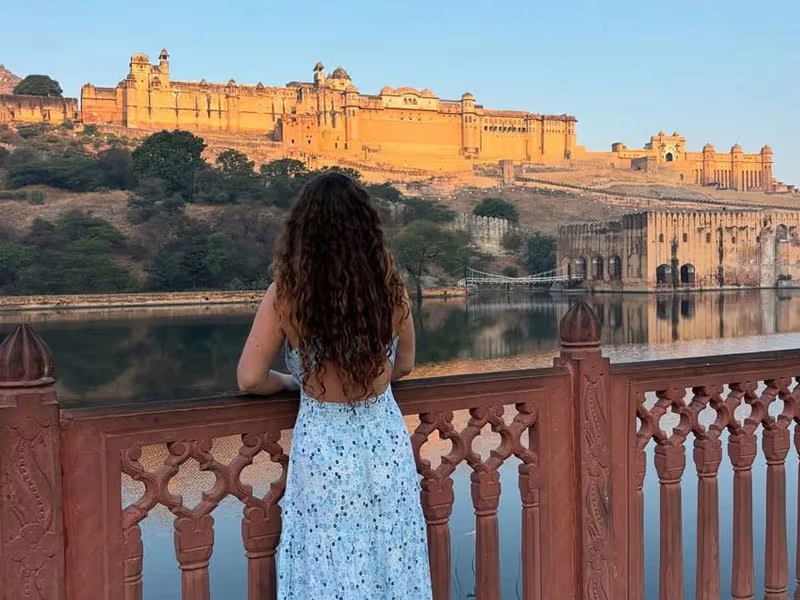
Jaipur is one of the most fascinating cities in India and one of the best places to begin a Rajasthan tour. Known as the Pink City, Jaipur combines grand forts, royal palaces, colourful markets, historic observatories, traditional food and lively local culture. Even if you have only two days, you can experience many of the city’s most important attractions with a well-planned itinerary.
The challenge is deciding what to include. Jaipur has more places to visit than most travelers can cover in a short trip. Amber Fort lies outside the main city, while the City Palace, Jantar Mantar and Hawa Mahal are close to one another in the old city. Jal Mahal is best visited as a short stop, and Nahargarh Fort is ideal for views over Jaipur, especially around sunset.
This complete Jaipur itinerary for 2 days is designed for first-time visitors. It includes the best places to visit, a practical sightseeing route, food and shopping recommendations, travel tips and suggestions for families, couples and senior travelers.
Quick answer: Spend Day 1 exploring Amber Fort, Jal Mahal, City Palace, Jantar Mantar and Hawa Mahal. Use Day 2 for Albert Hall Museum, Nahargarh Fort, local markets, Birla Mandir and a traditional Rajasthani cultural experience.
Explore Jaipur Tour with Private Driver
Discover Amber Fort, City Palace, Hawa Mahal and Jaipur’s best attractions with a comfortable private car and experienced local driver.
Why Visit Jaipur?
Jaipur offers a strong introduction to Rajasthan’s history and culture. The city was founded by Maharaja Sawai Jai Singh II and is known for its planned streets, pink-coloured buildings and royal heritage. The official Rajasthan Tourism website describes Jaipur as a city surrounded by historic forts and important cultural landmarks.
Unlike some destinations where attractions are spread across a large region, Jaipur allows visitors to combine several major sights in one trip. Amber Fort, the City Palace, Jantar Mantar and Hawa Mahal can all be included in a two-day visit if the route is organized carefully.
Jaipur is also famous for its shopping. Visitors can look for block-printed textiles, blue pottery, jewellery, leather shoes, handicrafts, spices and traditional clothing. The city’s markets are busy and colourful, but travelers should compare prices and confirm the total cost before buying.
Food is another important part of a Jaipur experience. Dal baati churma, gatte ki sabzi, laal maas, pyaz kachori, ghewar and rabri are some of the local dishes visitors may want to try. Many restaurants also offer rooftop dining with views of the old city or nearby forts.
Best Time to Visit Jaipur
The most comfortable time to visit Jaipur is generally from October to March. The days are usually suitable for sightseeing, although mornings and evenings can be cool during December and January. Winter is also the busiest travel period, so hotels and popular experiences should be booked in advance.
April to June can be very hot, particularly in the afternoon. If you travel during summer, start your sightseeing early, carry plenty of water and use the afternoon for indoor attractions or rest.
July to September can bring rain and humidity, but the city may feel greener and less crowded. The weather can be unpredictable, so keep some flexibility in your schedule.
| Season | Weather | Travel Advice |
|---|---|---|
| October to November | Warm days and comfortable evenings | Excellent for forts, markets and photography |
| December to February | Cool mornings and pleasant afternoons | Best overall season; book early |
| March to June | Hot and sunny | Sightsee early and avoid afternoon heat |
| July to September | Occasional rain and humidity | Keep outdoor plans flexible |
Jaipur 2-Day Itinerary at a Glance
| Day | Morning | Afternoon | Evening |
|---|---|---|---|
| Day 1 | Amber Fort and Jaigarh Fort | Jal Mahal, City Palace and Jantar Mantar | Hawa Mahal and old city market |
| Day 2 | Albert Hall Museum and local breakfast | Nahargarh Fort and Birla Mandir | Shopping, dinner or cultural show |
Day 1: Explore Jaipur’s Royal Heritage
Morning: Amber Fort
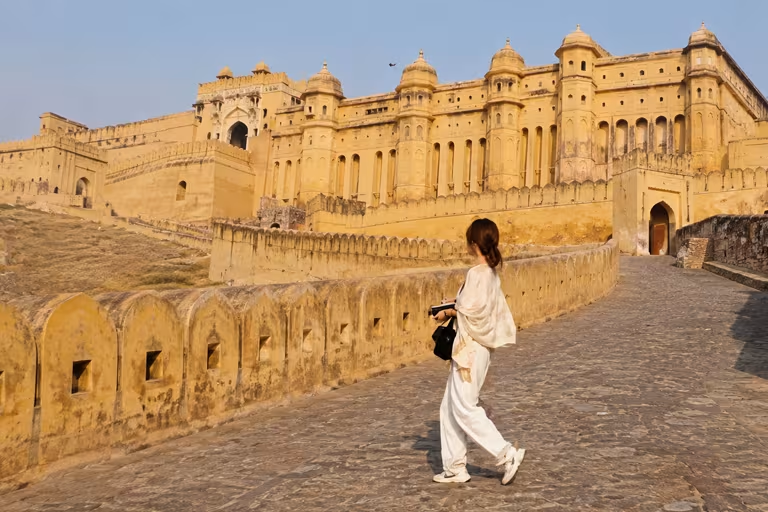
Start your first day early with a visit to Amber Fort, also known as Amer Fort. Located in the hills outside the main city, Amber Fort is one of Jaipur’s most important attractions and a highlight of any Rajasthan itinerary.
The fort combines Rajput and Mughal architectural influences. Inside, you will find courtyards, gateways, gardens, decorated halls, royal apartments and views of the surrounding hills. The Sheesh Mahal, or Mirror Palace, is one of the most famous sections of the complex.
Arriving early has several advantages. The weather is usually more comfortable, the light is better for photography and you can explore the fort before the largest crowds arrive. Wear comfortable shoes because there are slopes, stairs and uneven stone surfaces.
Visitors should be careful when selecting transport or activity options around the fort. If you are traveling with children or senior family members, a private vehicle can make the visit more comfortable.
Recommended time: 2 to 3 hours
Late Morning: Jaigarh Fort
After Amber Fort, you can continue to Jaigarh Fort. The fort sits on a hill above Amber and is known for its defensive walls, military architecture and panoramic views. It is also associated with Jaivana, a historic cannon displayed within the complex.
Jaigarh Fort is larger and more spread out than Amber Fort, so you may not want to explore every section if you are following a tight two-day schedule. A short visit focusing on the viewpoints, courtyards and major attractions is usually enough for first-time visitors.
Travelers who are mainly interested in palace interiors may prefer to spend more time inside Amber Fort instead. The choice depends on your interests and energy level.
Recommended time: 1 to 1.5 hours
Midday: Lunch Break
Return toward the city and stop for lunch. You can choose a restaurant near the old city, a hotel restaurant or a traditional Rajasthani dining venue. Take a proper break before continuing because the afternoon includes several attractions in the historic centre.
Good dishes to try include dal baati churma, gatte ki sabzi, ker sangri, bajra roti and thali. If you prefer lighter food, choose a simple dal, rice, roti or vegetable meal.
Afternoon: Jal Mahal
Jal Mahal, or the Water Palace, is located in the middle of Man Sagar Lake. Visitors usually see the palace from the roadside viewpoint because entry to the building itself is restricted. The symmetrical palace and surrounding hills create an attractive photo stop.
Jal Mahal is not usually a long visit. Spend 15 to 30 minutes at the viewpoint, take photographs and continue toward the old city.
The palace looks different depending on the weather and light. Early morning can provide a quiet atmosphere, while late afternoon creates warmer colours on the sandstone.
Late Afternoon: City Palace
Continue to the City Palace, located in the heart of Jaipur’s old city. The palace complex includes courtyards, gates, museums, royal rooms and collections related to Jaipur’s former ruling family.
The architecture combines Rajput, Mughal and European influences. Look for decorated doorways, carved balconies, painted walls, royal clothing, weapons, textiles and ceremonial objects.
City Palace is one of the attractions where a guide or audio guide can make the visit more meaningful. Without background information, it can be difficult to understand the purpose of the different courtyards and buildings.
Allow enough time to explore at a comfortable pace. The palace can become busy, particularly during peak travel season.
Recommended time: 1.5 to 2 hours
Late Afternoon: Jantar Mantar
Jantar Mantar is located close to City Palace and can easily be included on the same afternoon. It is a historic astronomical observatory containing large stone instruments designed to observe celestial movements and calculate time.
The site is visually impressive even if you are not familiar with astronomy. The instruments demonstrate how earlier astronomers used geometry, shadows and the movement of the sun to make observations.
For a better experience, consider using an audio guide or hiring a knowledgeable guide. Many structures can look similar at first, but their purposes are different.
Jantar Mantar is recognized as an important heritage site and is included among Jaipur’s principal attractions.
Recommended time: 45 minutes to 1 hour
Evening: Hawa Mahal and the Old City
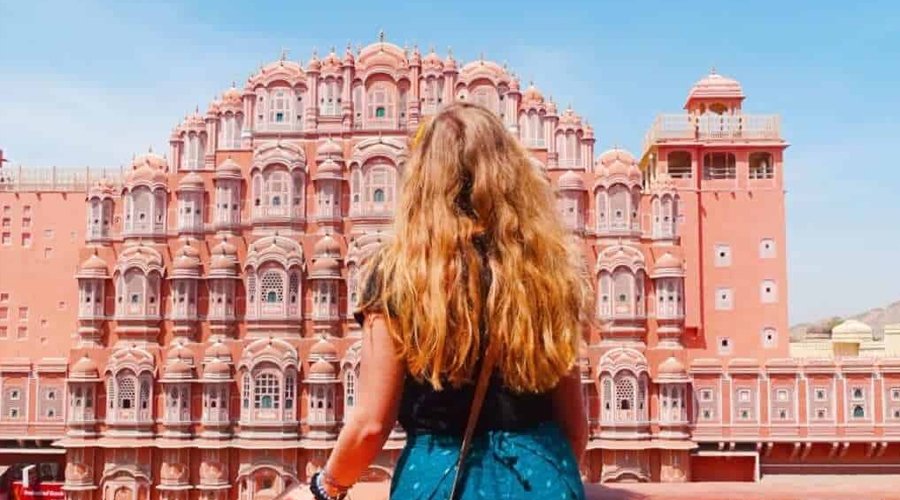
Finish the first day at Hawa Mahal, one of Jaipur’s most recognizable landmarks. The Palace of Winds is known for its honeycomb-like façade, small windows and pink sandstone design. It was built so royal women could observe activities in the streets without being seen.
The best-known view of Hawa Mahal is from the street opposite the façade. Rooftop cafés in the surrounding area offer elevated views, but check menu prices before ordering because some locations charge premium rates for the view.
After photographs, walk through the nearby bazaars. Johari Bazaar is associated with jewellery and gemstones, while Bapu Bazaar is known for textiles, leather products, souvenirs and handicrafts.
End the evening with dinner at a rooftop restaurant or a traditional Rajasthani restaurant. If you prefer a quieter evening, return to your hotel and rest for the second day.
Day 2: Museums, Views, Markets and Local Culture
Morning: Albert Hall Museum
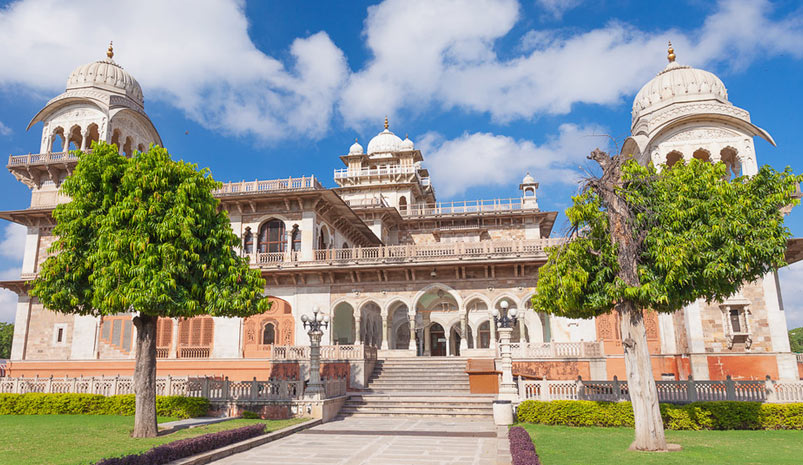
Begin the second day at Albert Hall Museum, located in Ram Niwas Garden. The museum is housed in an impressive Indo-Saracenic building and contains collections of art, textiles, decorative objects, pottery, weapons and historical artefacts.
The museum is a good choice for the morning because it provides an indoor cultural experience after the outdoor forts and palaces of Day 1. Architecture lovers should also spend time looking at the exterior, arches, domes and detailed ornamentation.
After the museum, enjoy a local breakfast. Popular options include kachori, samosa, poha, jalebi, lassi or a South Indian breakfast if you prefer something lighter.
Recommended time: 1.5 to 2 hours
Late Morning: Local Market or Patrika Gate
Depending on your interests, use the late morning for shopping or a visit to Patrika Gate. Patrika Gate is known for its colourful painted arches and is a popular location for photography.
If you prefer shopping, visit one of Jaipur’s established markets or craft stores. Block-printed fabrics, blue pottery, handmade paper, traditional footwear and jewellery are among the products commonly associated with Jaipur.
When buying gemstones or expensive jewellery, choose a reputable shop, request a proper bill and avoid making a rushed purchase. For small souvenirs, compare prices at more than one shop.
Afternoon: Nahargarh Fort
After lunch, visit Nahargarh Fort, located on the Aravalli hills above Jaipur. The fort offers wide views of the city and is one of the best places to understand Jaipur’s scale.
Nahargarh is especially popular around sunset, but visiting in the afternoon can be more comfortable if you want to avoid crowds. The fort includes courtyards and palace areas, including Madhavendra Bhawan, which contains decorated suites.
The road to Nahargarh is winding, so travelers who experience motion sickness should prepare accordingly. The fort can also involve walking on uneven surfaces.
Recommended time: 1.5 to 2 hours
Late Afternoon: Birla Mandir
Return toward the city and visit Birla Mandir, a white marble temple located near Moti Dungari. The temple is known for its clean lines, carved details and peaceful atmosphere.
Visitors should remove their shoes before entering and follow the temple’s photography rules. The area can be particularly attractive around dusk when the white marble is softly illuminated.
Birla Mandir is a shorter visit and can provide a calm break after the busier fort experience.
Evening: Shopping or Cultural Dinner
Use your final evening for shopping, a relaxed dinner or a cultural experience. You can return to Johari Bazaar or Bapu Bazaar, visit a handicraft store or enjoy a rooftop meal with views of the city.
Travelers interested in Rajasthani folk culture can visit a cultural village-style venue such as Chokhi Dhani. These venues may include folk music, dance, puppet shows, traditional food and craft demonstrations.
Chokhi Dhani is outside the central city, so allow enough travel time and confirm the closing schedule before visiting. It is a better option for travelers who want an arranged cultural evening rather than a quiet dinner.
Best Places to Visit in Jaipur in 2 Days
Amber Fort
Amber Fort is the most important attraction to prioritize during a short Jaipur trip. Its hilltop location, grand courtyards and detailed palace interiors show the strength of Jaipur’s royal heritage.
City Palace
City Palace is located in the old city and offers museums, courtyards, royal rooms and historic architecture. It is one of the best places to learn about Jaipur’s ruling family and artistic traditions.
Hawa Mahal
Hawa Mahal Jaipur
Hawa Mahal is Jaipur’s most recognizable façade. Even a short visit is worthwhile, particularly if you enjoy architecture and photography.
Jantar Mantar
Jantar Mantar is a unique historic observatory and an excellent choice for travelers interested in science, architecture and history.
Jal Mahal
Jal Mahal is a short but attractive photo stop on the route between Amber Fort and the old city.
Nahargarh Fort
Nahargarh Fort provides panoramic views over Jaipur and is a strong choice for sunset or late-afternoon sightseeing.
Albert Hall Museum
Albert Hall Museum is ideal for visitors who want to see art, textiles, decorative objects and historical collections in an impressive building.
Jaigarh Fort
Jaigarh Fort is a good addition for travelers interested in military architecture, fort walls and historic cannons. If your schedule is tight, choose either Jaigarh or Nahargarh based on your interests.
2 Days Jaipur Sightseeing Route
A practical route helps you save time and avoid crossing the city repeatedly.
| Day | Suggested Route | Why This Order Works |
|---|---|---|
| Day 1 | Amber Fort → Jaigarh → Jal Mahal → City Palace → Jantar Mantar → Hawa Mahal | Combines the hill forts with central-city landmarks |
| Day 2 | Albert Hall → Market or Patrika Gate → Nahargarh → Birla Mandir | Mixes museum, views, shopping and a peaceful temple |
Where to Stay in Jaipur
Old City
Staying near the old city gives you easy access to Hawa Mahal, City Palace, Jantar Mantar and the main bazaars. Heritage hotels and boutique properties in this area can provide a traditional Jaipur atmosphere.
However, old-city roads can be busy and parking may be limited. Ask the hotel about vehicle access before booking if you are traveling with luggage or using a private car.
Bani Park
Bani Park is a popular area with heritage hotels, guesthouses and mid-range properties. It is centrally located and often more peaceful than the immediate old city.
C-Scheme
C-Scheme has modern hotels, restaurants, cafés and shopping areas. It is a good option for travelers who prefer contemporary facilities and easy access to the wider city.
Amer Area
Staying near Amer can be convenient if Amber Fort is your main priority or if you want a resort-style experience outside the busy centre. You will need transport for old-city sightseeing.
Plan Your India Trip with Confidence
Get a customized itinerary, comfortable private transportation and transparent pricing for your India holiday.
How to Travel Around Jaipur
The easiest way to explore Jaipur in two days is by private car with a professional driver. A private vehicle is especially useful because Amber Fort, Nahargarh Fort and the old city are in different directions. It also allows you to keep your luggage safely in the car and take breaks whenever needed.
Auto-rickshaws and app-based taxis are useful for shorter journeys, but prices and availability can change. Confirm the fare before beginning a ride if the vehicle does not use a meter.
Jaipur Metro is useful on selected routes, but it does not reach every tourist attraction. It is not always the most convenient option for a sightseeing itinerary that includes forts and several locations outside the central city.
Walking is enjoyable in some sections of the old city, but Jaipur’s traffic, heat and busy roads can make long walks uncomfortable. A combination of walking and private transport usually works best.
Jaipur Food Guide
Jaipur is one of the best cities in Rajasthan for trying regional food. Traditional Rajasthani cuisine developed around the dry climate and historical availability of ingredients, which is why dishes often use lentils, flour, spices, dairy and preserved vegetables.
- Dal baati churma: Baked wheat balls served with lentils, ghee and sweet churma.
- Gatte ki sabzi: Gram-flour dumplings cooked in a spiced gravy.
- Ker sangri: A traditional desert-region vegetable preparation.
- Laal maas: A spicy meat curry traditionally made with red chillies.
- Pyaz kachori: A popular savoury pastry filled with spiced onion.
- Ghewar: A sweet disc-shaped dessert commonly associated with Rajasthan.
- Jalebi and rabri: A popular sweet combination for dessert.
- Masala chai: Spiced tea enjoyed throughout the city.
Choose restaurants that appear clean and busy, especially if you are trying street food. Travelers with sensitive stomachs should drink bottled water and avoid eating too many rich or spicy dishes in one sitting.
Shopping in Jaipur
Jaipur is famous for its craft traditions and colourful markets. Shopping can easily take several hours, so choose the products that interest you most rather than trying to visit every market.
Johari Bazaar
Johari Bazaar is well known for jewellery, gemstones, bangles and traditional designs. When buying an expensive item, choose an established shop, request a detailed bill and ask about certification.
Bapu Bazaar
Bapu Bazaar is popular for textiles, traditional footwear, bags, souvenirs and colourful Rajasthani products. It is a good place for travelers who want affordable gifts.
Tripolia Bazaar
Tripolia Bazaar is associated with lac bangles, brassware, carpets and traditional household items.
Handicraft Stores
For block prints, blue pottery, handmade paper, furniture and high-quality textiles, consider visiting a reputable craft store or government-supported emporium. These shops may offer fixed prices and proper bills.
Jaipur Travel Tips
Start Early
Amber Fort and other outdoor attractions are more comfortable in the morning. Early starts also reduce the time spent in traffic.
Wear Comfortable Shoes
Forts and palaces include stairs, stone pathways and large courtyards. Comfortable shoes will make the experience much easier.
Carry Sun Protection
Use sunscreen, sunglasses and a hat. Carry water, especially while visiting Amber Fort and Nahargarh Fort.
Hire a Knowledgeable Guide
A good guide can explain the history, architecture and stories behind Jaipur’s monuments. Without context, several courtyards and structures may appear similar.
Keep Monument Rules in Mind
Some attractions have restrictions on photography, tripods, bags or entry into specific rooms. Follow signs and staff instructions.
Confirm Costs Before Activities
Ask about guide fees, transport fares, photography charges and activity prices before accepting an offer. This helps avoid confusion later.
Do Not Overpack the Schedule
Two days is enough for Jaipur’s highlights, but not for every attraction. Leave some time for lunch, traffic, shopping and rest.
Jaipur for Families
Jaipur is a good destination for families because forts, palaces, markets and cultural experiences offer variety. Children may enjoy the open courtyards of Amber Fort, the unusual instruments at Jantar Mantar, the views from Nahargarh and the colourful markets.
Plan outdoor sightseeing in the morning and keep the afternoon flexible. Carry snacks and water, and do not expect young children to enjoy a long historical explanation at every monument.
Families may also enjoy a traditional dinner with music, puppetry or folk performances. Check the duration and transport arrangements before booking.
Jaipur for Couples
Couples can enjoy Jaipur through rooftop dinners, palace hotels, sunset views, private heritage walks and photography sessions. Nahargarh Fort offers wide city views, while Jal Mahal and the old city provide attractive photo opportunities.
For a more relaxed experience, choose a heritage hotel and keep one evening free instead of scheduling another major attraction. Jaipur becomes more enjoyable when there is time to sit, eat and explore without rushing.
Jaipur for Senior Travelers
Senior travelers can enjoy Jaipur comfortably with private transportation, shorter walking periods and well-located hotels. Amber Fort and Nahargarh Fort involve uneven paths and stairs, so discuss mobility requirements in advance.
Choose a hotel with easy vehicle access, elevators or ground-floor rooms. Plan breaks during the hottest part of the day and carry regular medicines, water and a list of emergency contacts.
How Much Does a 2-Day Jaipur Trip Cost?
The cost of a Jaipur trip depends on the season, hotel category, number of travelers, vehicle type, guide services, monument tickets, meals and shopping. Budget travelers can use simple guesthouses and local transport, while families and couples often prefer private cars and mid-range hotels.
A customized private Jaipur tour may include airport or railway station pickup, hotel transfers, private sightseeing, fuel, parking and a professional driver. Always check what is included in a quotation because guide fees, monument tickets, meals and activity charges may be separate.
Travelers visiting during the high season should expect higher hotel prices and greater demand for guides and vehicles. Booking early can help secure better accommodation and a preferred vehicle category.
Common Mistakes to Avoid in Jaipur
Visiting Amber Fort Too Late
Arriving late can mean stronger heat, larger crowds and less time for the rest of your itinerary. Start early whenever possible.
Trying to Visit Every Fort
Amber, Jaigarh and Nahargarh are all interesting, but visiting all three in detail can make the day tiring. Choose according to your interests.
Ignoring Traffic
Jaipur traffic can slow down journeys between the old city, forts and hotel areas. Keep buffer time between attractions.
Shopping Without Comparing Prices
Compare prices and quality, especially for textiles, jewellery and handicrafts. Request a bill for expensive purchases.
Planning a Flight Immediately After Sightseeing
If you are departing from Jaipur on the second day, do not schedule a full day of sightseeing before a close flight. Allow time for traffic and airport procedures.
Frequently Asked Questions
Is 2 days enough to visit Jaipur?
Yes, two days is enough to see Jaipur’s main attractions, including Amber Fort, City Palace, Jantar Mantar, Hawa Mahal, Jal Mahal and Nahargarh Fort. The key is to start early and follow a logical route.
What are the best places to visit in Jaipur in 2 days?
The best places to visit include Amber Fort, City Palace, Hawa Mahal, Jantar Mantar, Jal Mahal, Nahargarh Fort, Jaigarh Fort and Albert Hall Museum. If you enjoy shopping, also include Johari Bazaar and Bapu Bazaar.
Which day should I visit Amber Fort?
Amber Fort should be visited on the first morning because it is outside the main city and usually requires the most time. Visiting early makes the experience more comfortable.
Can I visit Jaipur without a private car?
Yes, Jaipur can be explored using taxis, auto-rickshaws and other local transport. However, a private car is more convenient for a two-day itinerary because the major attractions are spread across different areas.
Is Jaipur safe for tourists?
Jaipur is a popular tourist destination, but travelers should use normal precautions. Keep valuables secure, avoid unverified offers, confirm prices before activities and use trusted transport providers.
What should I buy in Jaipur?
Popular items include block-printed textiles, blue pottery, jewellery, lac bangles, traditional shoes, handicrafts, spices, scarves and Rajasthani souvenirs.
What is the best area to stay in Jaipur?
Bani Park and C-Scheme are convenient for many travelers. The old city is best for heritage atmosphere and access to Hawa Mahal, City Palace and markets, while Amer is useful if Amber Fort is your main priority.
Is Jaipur suitable for a weekend trip?
Yes, Jaipur is one of the best weekend destinations in Rajasthan. A two-day trip can cover the major monuments, markets and a cultural dinner.
Should I visit Nahargarh Fort during the day or at sunset?
Nahargarh Fort is popular at sunset because of the city views, but the timing can be crowded. Visit during the afternoon if you prefer more time and a quieter experience.
Can I include Jaipur in a Golden Triangle tour?
Yes. Jaipur is one of the three main destinations in India’s Golden Triangle Tour, along with Delhi and Agra. Many travelers spend two days in Jaipur before continuing to Agra or other parts of Rajasthan.
Final Thoughts
Two days in Jaipur can be enough to experience the city’s royal architecture, colourful streets and historic atmosphere. Begin with Amber Fort and the hill forts, then explore the City Palace, Jantar Mantar and Hawa Mahal in the old city. Use the second day for Albert Hall Museum, Nahargarh Fort, local markets and a cultural evening.
Do not try to rush through every attraction. Jaipur is more enjoyable when you leave time for a proper meal, a market walk, photographs and quiet moments inside the palaces. Start early, carry water, wear comfortable shoes and choose reliable transportation.
Whether you are visiting Jaipur as part of a Golden Triangle tour, a Rajasthan road trip, a family holiday or a short weekend break, the Pink City offers a memorable introduction to India’s royal heritage and living culture.
Plan Your Jaipur Tour
Explore Jaipur comfortably with a private car, experienced driver and a customized sightseeing itinerary. We can help arrange airport pickup, hotel transfers, local sightseeing and private Jaipur tours.

Narendra Singh
India Travel Expert and Founder of India Private Car Driver
Narendra Singh helps international travelers plan comfortable and memorable journeys across India. With extensive knowledge of Indian destinations, private car travel, hotels, local culture and customized itineraries, he shares practical travel advice to help you plan your trip with confidence.

