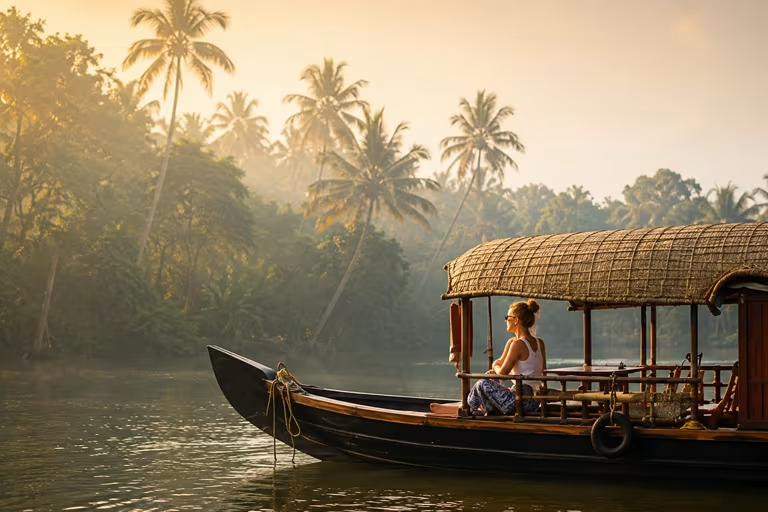
South India is one of the most rewarding regions to explore in India. From the historic streets of Kochi and the green tea plantations of Munnar to the peaceful backwaters of Alleppey and the wildlife landscapes of Thekkady, the southern states offer a completely different travel experience from North India.
For first-time visitors, planning a South India trip can feel confusing because the region includes several states, different cultures, long distances and many excellent destinations. Kerala, Tamil Nadu and Karnataka each offer something unique. Kerala is famous for backwaters, beaches, Ayurveda and hill stations. Tamil Nadu is known for ancient temples and Dravidian architecture, while Karnataka combines palaces, coffee plantations, wildlife and historic ruins.
If you have only 10 days, it is better not to try to cover all of South India in one trip. A relaxed route through Kerala gives first-time visitors a balanced introduction to the region. This itinerary includes history, nature, local food, wildlife, tea plantations, village life and a traditional houseboat experience.
Quick route: Kochi – Munnar – Thekkady – Alleppey – Marari or Kovalam – Kochi. This route is suitable for couples, families, senior travelers and first-time visitors who want to experience the best of Kerala without rushing.
Why Choose Kerala for Your First South India Trip?
Kerala is often the easiest South India destination for first-time international visitors because it offers several different experiences within a manageable route. You can begin with colonial history and coastal culture in Kochi, move into the hills and tea plantations of Munnar, enjoy a wildlife experience in Thekkady and finish with a relaxing houseboat journey through the backwaters.
The state also has a well-developed tourism network. Visitors can choose from boutique hotels, heritage properties, plantation stays, resorts, Ayurveda retreats, houseboats and family-friendly accommodation. A private car with a professional driver makes it easier to travel between destinations, stop for photographs, visit local attractions and adjust the schedule when necessary.
Kerala is not only about sightseeing. The most memorable part of the journey is often the change in scenery. Within a few days, you can move from busy harbour streets to cool mountain roads, from tea-covered hills to tropical waterways. This variety makes Kerala a particularly good introduction to South India.
Best Time to Visit South India
The best time to visit South India depends on the region you plan to explore. For Kerala, November to March is generally a comfortable period for sightseeing, backwater cruises and outdoor activities. The weather is usually drier and more pleasant after the main monsoon season.
December, January and February are popular months for international visitors. Hotels and houseboats can become busy during Christmas, New Year and peak winter travel, so advance booking is recommended.
March to May can be hot and humid in the lowland areas, although Munnar remains cooler because of its elevation. If you travel during this period, begin sightseeing early and plan a slower afternoon.
The southwest monsoon usually affects Kerala between June and September. Rain can be heavy, but the landscape becomes especially green and dramatic. Travelers who enjoy monsoon scenery, Ayurveda and lower-season travel may still enjoy Kerala during this time. However, boat cruises, hiking and road transfers may require flexibility.
| Months | What to Expect | Travel Advice |
|---|---|---|
| November to February | Pleasant and mostly comfortable | Best overall season; book early |
| March to May | Hot and humid in coastal areas | Start sightseeing early; visit hill stations |
| June to September | Rainy and very green | Keep road and boat plans flexible |
| October | Transition from monsoon to drier weather | Good for flexible travelers |
10-Day South India Itinerary at a Glance
| Days | Destination | Main Experiences |
|---|---|---|
| Day 1–2 | Kochi | Fort Kochi, heritage streets, Chinese fishing nets and local food |
| Day 3–4 | Munnar | Tea plantations, viewpoints, waterfalls and mountain scenery |
| Day 5–6 | Thekkady | Periyar region, wildlife, spice plantations and village experiences |
| Day 7–8 | Alleppey | Backwaters, houseboat cruise and slow village life |
| Day 9 | Marari or Kovalam | Beach, relaxation and optional Ayurveda |
| Day 10 | Kochi departure | Airport transfer or onward journey |
Day 1: Arrive in Kochi
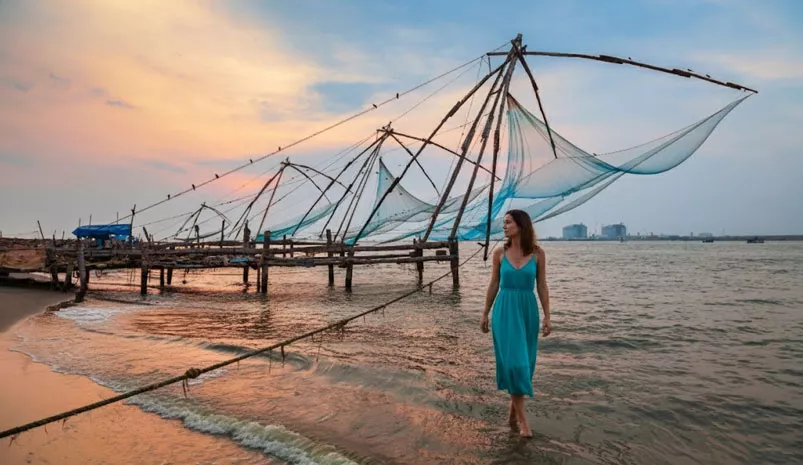
Begin your South India journey in Kochi, also known as Cochin. Kochi is one of Kerala’s most historic and culturally diverse cities. It has been influenced by Arab, Chinese, Portuguese, Dutch and British traders, and this history can still be seen in the architecture, churches, markets and harbour area.
After arriving at Cochin International Airport, transfer to your hotel. The airport is outside the main city, so the drive to Fort Kochi can take time depending on traffic. If you arrive late, keep the evening simple and rest after check-in.
If you arrive during the day, spend the evening exploring Fort Kochi. Walk through the heritage streets, see the Chinese fishing nets and visit the waterfront. The area becomes especially pleasant in the late afternoon when the temperature is more comfortable.
Fort Kochi is also a good place for your first South Indian meal. You can try Kerala-style seafood, appam with stew, vegetable thali, Malabar parotta, fish curry or a lighter dosa meal.
Overnight: Kochi
Plan Your South India Adventure
Let us create a personalized 10-day South India itinerary with private transportation, comfortable hotels and local travel support.
Get help with route planning, hotels, transport and sightseeing.
Day 2: Explore Fort Kochi and Mattancherry
Spend your second day discovering the historic side of Kochi. Start with St. Francis Church, one of the oldest European churches in India. Continue to the Santa Cruz Basilica and walk through the surrounding streets to see colonial buildings, galleries, cafés and small shops.
Later, visit Mattancherry, an area known for its old trading history, spice warehouses and cultural landmarks. The Mattancherry Palace, also called the Dutch Palace, contains murals and exhibits connected with the history of the region.
You can also visit Jew Town and the Paradesi Synagogue area. The streets are lined with antique shops, cafés and shops selling spices, textiles and decorative items. Some shops are tourist-oriented, so compare prices before buying anything.
In the evening, choose between a Kathakali performance, a traditional music program or a relaxed dinner. If you attend a Kathakali show, arrive early because the makeup process is often demonstrated before the performance.
Kochi is a good city for a guided walking tour. A local guide can explain the history behind the buildings and help you understand how different communities shaped the city.
Overnight: Kochi
Day 3: Kochi to Munnar
Leave Kochi after breakfast and drive toward Munnar. The scenery changes gradually as you move away from the coast and enter the Western Ghats. The road passes through greener landscapes, rivers, small towns, waterfalls and winding mountain sections.
The journey can take several hours, so avoid scheduling too many activities on arrival. Stop at viewpoints and waterfalls along the way if road and weather conditions allow. Your driver can suggest safe and convenient places for short breaks.
After reaching Munnar, check into your hotel and enjoy the cool mountain air. Depending on your arrival time, take a short walk around the town or relax at the property.
Munnar is located in a hill region, so evenings can be cooler than Kochi. Carry a light jacket, especially between November and February.
Overnight: Munnar
Day 4: Explore Munnar
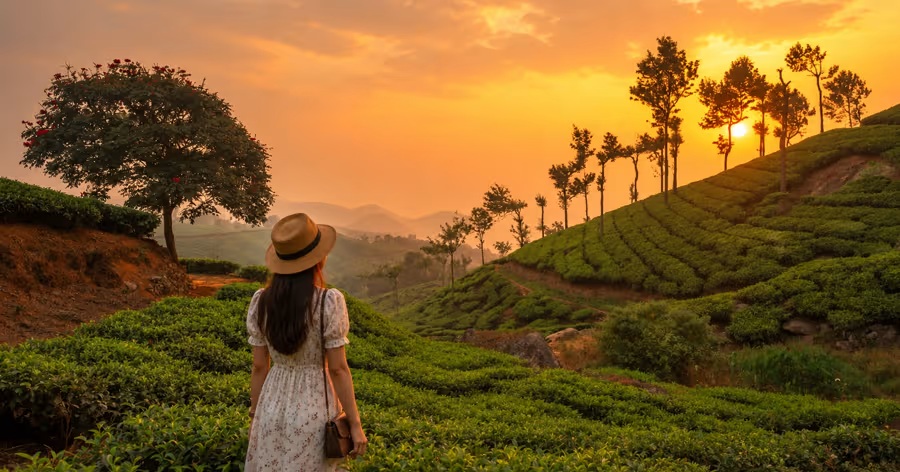
Munnar is one of Kerala’s most attractive hill destinations. The surrounding landscape is covered with tea plantations, forests, valleys and mountain viewpoints. The area is ideal for travelers who enjoy nature, photography and slower mornings.
Begin with a tea plantation visit and learn how tea is grown, collected and processed. A tea museum or plantation tour can help you understand the importance of tea production in the region.
Continue to viewpoints such as Mattupetty Dam, Echo Point and Kundala Lake, depending on your selected route. These places can become busy during peak season, so an early start is recommended.
Eravikulam National Park is another important attraction near Munnar. It is known for mountain landscapes and the Nilgiri tahr, although wildlife sightings are never guaranteed. Park access and opening arrangements can change, so check current information before visiting.
Do not try to visit every viewpoint in one day. Munnar is best enjoyed with time for tea, photographs and quiet views of the plantations.
Overnight: Munnar
Day 5: Munnar to Thekkady
Travel from Munnar to Thekkady, located in the Periyar region. The route passes through winding roads, spice-growing areas and forested hills. The exact travel time depends on the road, weather and sightseeing stops.
After arrival, check into your hotel or plantation-style resort. Thekkady is known for spice plantations, cardamom gardens, pepper vines and forest landscapes.
In the afternoon, join a guided spice plantation visit. You can learn about cardamom, cinnamon, pepper, cloves, vanilla and other plants grown in Kerala. A local guide can also explain how spices are used in traditional cooking and Ayurveda.
In the evening, attend a traditional martial arts or cultural performance if available. Kalaripayattu, one of Kerala’s traditional martial art forms, is often presented for visitors in Thekkady.
Overnight: Thekkady
Day 6: Wildlife and Local Experiences in Thekkady
Thekkady is the gateway to Periyar Tiger Reserve. The reserve is known for its forests, lake and range of wildlife. Depending on availability, visitors can choose a boat cruise, guided nature walk, bamboo rafting program or other officially managed activities.
A boat cruise can offer views of the forested shoreline and the possibility of seeing elephants, deer, wild boar or birds. Wildlife sightings are not guaranteed, so enjoy the experience as a nature outing rather than expecting a specific animal.
Travelers who prefer a more active experience can choose a guided walking program. Wear comfortable shoes, use insect protection and follow the instructions of the local guide.
Use the afternoon for rest. You can visit a local market, try Kerala snacks or enjoy an Ayurvedic massage at a reputable centre. If you choose an Ayurveda treatment, confirm the qualifications of the practitioner and explain any medical conditions beforehand.
Overnight: Thekkady
Day 7: Thekkady to Alleppey
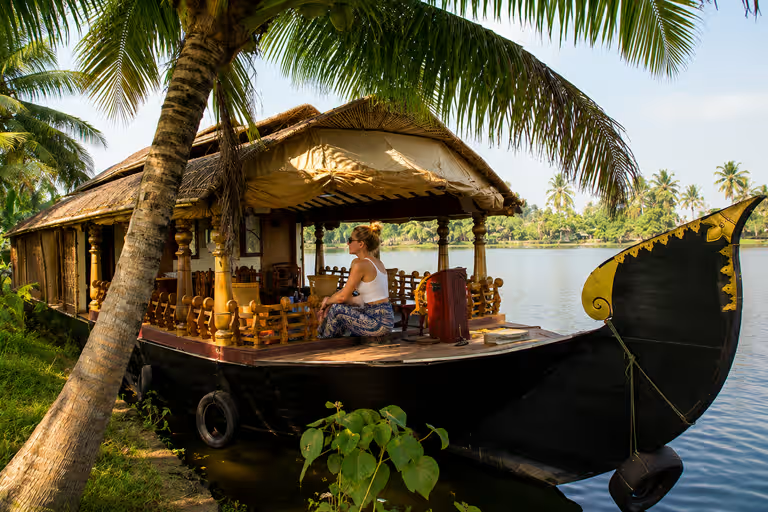
Leave Thekkady and travel toward Alleppey, officially known as Alappuzha. The scenery changes again as the mountains give way to lower-lying areas, coconut palms, paddy fields, canals and waterways.
Alleppey is one of the most famous backwater destinations in Kerala. The backwaters are a network of lakes, canals and lagoons connected to village communities and agricultural areas.
Depending on your booking, board your houseboat in the afternoon. Most houseboats cruise through the smaller canals and wider waterways, passing villages, coconut trees, fishing areas and rice fields.
The purpose of a houseboat stay is not to visit a long list of monuments. It is to slow down and enjoy the changing scenery. Sit on the upper deck, watch village life along the water and enjoy a freshly prepared Kerala meal on board.
Houseboat facilities vary. Before booking, check the size of the boat, number of bedrooms, private bathroom, air-conditioning hours, meals, crew and route. A smaller private boat may provide a more peaceful experience than a large shared vessel.
Overnight: Houseboat in Alleppey
Day 8: Alleppey Backwaters
Wake up on the backwaters and enjoy the quiet morning atmosphere. Depending on the houseboat schedule, you may cruise for a few more hours before disembarking.
After leaving the houseboat, you can stay in a backwater resort, boutique property or village homestay. This gives you time to experience the region without spending the entire day on a boat.
Visit a nearby village, take a canoe ride through narrow canals or simply relax beside the water. Canoeing through smaller waterways can offer a more intimate experience than a large houseboat because you can see homes, gardens, churches, temples and local activities at close range.
If you are interested in cooking, arrange a Kerala cooking demonstration. You may learn how coconut, curry leaves, spices, rice and local vegetables are used in traditional dishes.
Overnight: Alleppey or Kumarakom
Day 9: Alleppey to Marari or Kovalam
On Day 9, choose between a beach stay at Marari or a coastal stay at Kovalam. Marari is closer to Alleppey and is known for its quiet beach, relaxed resorts and peaceful atmosphere. It is a good choice for travelers who want to rest after a busy itinerary.
Kovalam is closer to Thiruvananthapuram and offers a more developed beach area with restaurants, hotels and Ayurveda centres. It can be useful if you plan to depart from Thiruvananthapuram instead of Kochi.
Spend the day relaxing, walking along the beach or enjoying a carefully selected wellness treatment. Swimming conditions can change, so follow local safety instructions and avoid entering the sea during rough weather.
For travelers who do not want a beach day, you can instead spend the day in Kumarakom or return to Kochi for additional sightseeing and shopping.
Overnight: Marari, Kovalam or Kochi
Day 10: Departure from Kochi
Depending on your location and flight timing, transfer to Cochin International Airport. If your flight is late in the day, you may have time for a relaxed breakfast, a short market visit or a final walk in Fort Kochi.
If you are continuing your India journey, South India can be combined with Tamil Nadu or Karnataka. Chennai, Madurai, Mysore, Bangalore, Ooty, Coorg and Hampi are popular additions, but they require extra travel time.
Do not book a flight too close to the end of a long road transfer. Leave enough time for traffic, airport procedures and unexpected delays.
Alternative 10-Day South India Routes
Kerala and Tamil Nadu Route
Chennai – Mahabalipuram – Pondicherry – Thanjavur – Madurai – Munnar – Thekkady – Alleppey – Kochi
This route is ideal for travelers who want to combine Tamil Nadu’s temples and coastal heritage with Kerala’s hills and backwaters. However, it involves more road travel, so it is best for travelers who enjoy an active itinerary.
Mahabalipuram is known for its ancient monuments and coastal setting. Pondicherry offers French-influenced streets, cafés and a slower atmosphere. Thanjavur and Madurai introduce travelers to South Indian temple architecture, while Munnar and Alleppey provide a change of scenery.
Karnataka Heritage Route
Bangalore – Mysore – Coorg – Hassan – Hampi – Goa or Bangalore
This route is suitable for travelers interested in palaces, coffee plantations, historic temples and ancient ruins. Mysore is known for its palace and cultural traditions, Coorg offers green hills and coffee estates, and Hampi is famous for its dramatic ruins and boulder landscapes.
This route is less focused on beaches and backwaters but offers a strong combination of history, nature and architecture.
Kerala Wellness Route
Kochi – Marari – Kumarakom – Thekkady – Munnar – Kovalam – Thiruvananthapuram
This itinerary is best for travelers who want a slower holiday with beaches, Ayurveda, backwaters, tea plantations and nature. It allows more time for wellness experiences and peaceful stays instead of changing destinations every day.
How to Travel Around South India
A private car with a professional driver is one of the most comfortable options for this itinerary. The route includes mountain roads, villages, plantation areas and backwater regions where public transport may not take you directly to your hotel.
Private transportation also allows you to stop for photographs, local meals, short walks and viewpoints. Families and senior travelers may particularly appreciate the flexibility to take breaks whenever needed.
Trains can be useful for selected routes, but they may not be the most practical option for a first-time visitor carrying luggage and changing destinations frequently. Domestic flights are helpful when combining distant regions, such as Kerala with Karnataka or Tamil Nadu.
Important: South India travel times can change because of traffic, monsoon rain, winding hill roads and local road conditions. Always confirm realistic transfer times before booking activities on the same day.
South India Food You Should Try
Food is an important part of any South India trip. Kerala cuisine uses coconut, curry leaves, black pepper, cardamom and other spices in many dishes. Tamil Nadu is famous for dosa, idli, sambar, Chettinad cuisine and temple-style food. Karnataka offers dishes such as bisi bele bath, Mysore pak, ragi-based meals and coastal seafood.
- Appam and stew: A soft rice pancake often served with vegetable or chicken stew.
- Kerala fish curry: A spicy and tangy dish commonly prepared with coconut or tamarind.
- Sadya: A traditional vegetarian meal served on a banana leaf.
- Masala dosa: A crisp rice and lentil crepe filled with spiced potatoes.
- Idli and sambar: Soft steamed rice cakes served with lentil stew and chutney.
- Malabar parotta: A layered flatbread often served with curry.
- Filter coffee: A strong and aromatic South Indian coffee.
Travelers with sensitive stomachs should begin with mild dishes and choose clean, well-reviewed restaurants. Drink bottled or properly filtered water and avoid eating too much spicy food immediately after arrival.
Where to Stay
Kochi
Fort Kochi is ideal for travelers who want history, walkable streets, cafés and heritage buildings. Modern hotels near the airport or mainland areas may be more practical for late arrivals or early departures.
Munnar
Choose a hotel with mountain or plantation views. Properties outside the busy town may offer more peace, but check the distance before booking because mountain roads can make short distances take longer.
Thekkady
Plantation resorts, boutique hotels and forest-style properties are popular. Choose accommodation close enough to the Periyar activity area and confirm transport arrangements for early morning programs.
Alleppey
You can choose between a private houseboat, backwater resort, boutique hotel or homestay. Check houseboat reviews carefully because facilities vary greatly.
Marari or Kovalam
Marari is best for a quiet beach stay, while Kovalam offers more restaurants, resorts and wellness facilities. Your choice should depend on whether you prefer peace or convenience.
What to Pack for South India
- Light cotton clothing.
- A light jacket for Munnar evenings.
- Comfortable walking shoes and sandals.
- Rain jacket or compact umbrella during the monsoon.
- Sun hat, sunscreen and sunglasses.
- Insect repellent for backwaters and forest areas.
- Personal medicines and basic first-aid items.
- Reusable water bottle.
- Small day bag for sightseeing.
- Modest clothing for temples and religious places.
- Power bank and travel adapters.
- Waterproof bag for electronics during boat trips.
Useful Tips for First-Time Visitors
Do Not Pack Too Many Destinations
South India may look compact on a map, but roads through the Western Ghats can be slow. Choose a logical route rather than trying to include Kerala, Tamil Nadu and Karnataka in only 10 days.
Keep One Flexible Afternoon
Travel days can be tiring. A flexible afternoon allows you to rest, enjoy your hotel or change plans if the weather becomes uncomfortable.
Book Houseboats Carefully
Ask about bedroom size, bathroom facilities, air-conditioning hours, food, safety equipment, crew and route before confirming. Not all houseboats offer the same standard.
Respect Temple Customs
Some temples restrict entry to non-Hindus, while others require specific clothing or prohibit photography. Follow the rules displayed at each temple and listen to local guides.
Start Early in the Hills
Morning travel through the hills is usually more comfortable and can reduce the possibility of reaching your destination late at night.
Carry Cash for Small Purchases
Hotels and larger restaurants usually accept cards, but small shops, local guides, markets and rural activities may require cash.
Choose Responsible Wildlife Experiences
Use officially managed activities and follow instructions inside protected areas. Do not feed animals, disturb wildlife or leave plastic behind.
Is This Itinerary Suitable for Families?
Yes, this route can work well for families, especially when the itinerary includes comfortable hotels and private transportation. Children usually enjoy the houseboat, tea plantations, waterfalls, wildlife activities and beach time.
Keep in mind that some mountain roads can be winding. If children get motion sickness, carry suitable medication and plan regular breaks. Choose hotels with swimming pools or open spaces if the children need time to relax after sightseeing.
Is This Itinerary Suitable for Senior Travelers?
Kerala is suitable for senior travelers when the trip is paced carefully. Choose hotels with elevators or ground-floor rooms, avoid long walking routes during the hottest part of the day and confirm the accessibility of the houseboat before booking.
Munnar and Thekkady involve hill roads, so travelers with motion sensitivity should discuss the route with their driver. A private car is usually more comfortable than changing buses or managing crowded stations.
Frequently Asked Questions
Is 10 days enough for South India?
Ten days is enough for a well-planned introduction to one South Indian region. Kerala is the easiest option for a balanced first trip because it combines heritage, hills, wildlife, backwaters and beaches. Covering Kerala, Tamil Nadu and Karnataka in 10 days would be much more rushed.
What is the best South India itinerary for first-time visitors?
A practical first-time route is Kochi, Munnar, Thekkady, Alleppey and Marari or Kovalam. It offers a balanced combination of history, nature, wildlife, backwaters and relaxation.
Should I visit Kerala or Tamil Nadu first?
Choose Kerala if you want backwaters, beaches, tea plantations, wildlife and wellness. Choose Tamil Nadu if you are mainly interested in ancient temples, architecture, local culture and coastal heritage.
Is a houseboat stay in Alleppey worth it?
Yes, a houseboat stay can be one of the most memorable parts of a Kerala trip. It is important to choose a reputable boat and confirm the facilities before booking because comfort levels vary.
How many nights should I stay in Munnar?
Two nights is a good minimum for first-time visitors. It gives you one arrival day and one full sightseeing day. Travelers who enjoy nature, photography or plantation stays may prefer three nights.
Is Thekkady worth visiting?
Yes, Thekkady is worth adding if you are interested in forests, wildlife, spice plantations and local cultural experiences. It also provides a pleasant change from the coastal and hill destinations.
Can I add Mysore or Hampi to this itinerary?
Yes, but you should remove one or two Kerala destinations or extend the trip. Mysore and Hampi are excellent additions for travelers interested in Karnataka’s palaces and historic ruins, but they are not close enough to include comfortably without additional travel time.
What is the best airport for this itinerary?
Cochin International Airport is the most convenient airport for a Kochi-Munnar-Thekkady-Alleppey route. If you choose Kovalam and Thiruvananthapuram as your final destination, Trivandrum International Airport may be more convenient for departure.
Is South India safe for first-time visitors?
South India is visited by travelers from around the world. As with any destination, use trusted transportation, keep valuables secure, follow local instructions and choose reputable hotels and tour providers.
Final Thoughts
A 10-day South India itinerary does not need to be complicated. The best first trip is one that combines different experiences while keeping the route comfortable. Start with the history and coastal culture of Kochi, continue to the tea-covered hills of Munnar, enjoy the forests and spices of Thekkady, slow down on the backwaters of Alleppey and finish with a peaceful beach or wellness stay.
South India rewards travelers who take their time. The journey is not only about reaching the next destination. It is about watching the scenery change, tasting a new dish, meeting local people, listening to temple bells, seeing fishermen at work and enjoying the quiet rhythm of life beside the water.
For first-time visitors, a private car and experienced driver can make the journey much easier. You can travel at your own pace, stop when needed and enjoy the route without worrying about every transfer. With sensible planning, comfortable hotels and a little flexibility, this 10-day South India itinerary can become a memorable introduction to Kerala and the wider southern region.
Plan Your South India Tour
Looking for a comfortable South India tour with a private car, experienced driver and flexible sightseeing? Contact Private Driver India Tour to create a customized itinerary based on your travel dates, hotel preferences and interests.
Narendra Singh
India Travel Expert and Founder of India Private Car Driver
Narendra Singh helps international travelers plan comfortable and memorable journeys across India. With extensive knowledge of Indian destinations, private car travel, hotels, local culture and customized itineraries, he shares practical travel advice to help you plan your trip with confidence.

