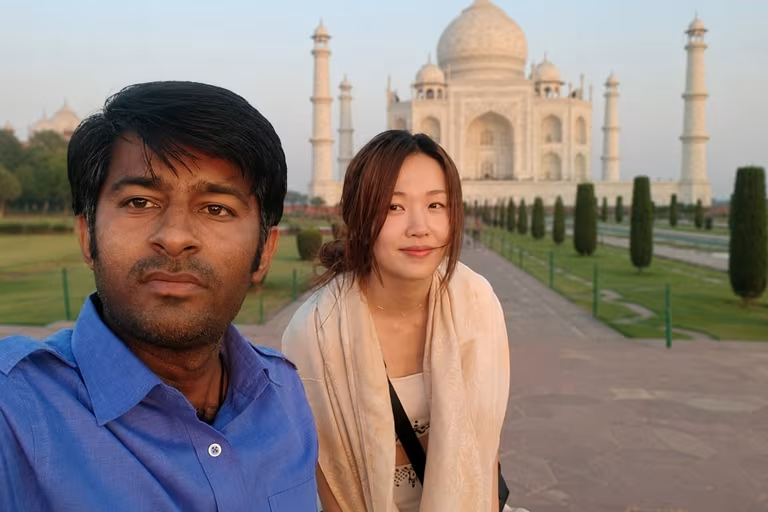
SOLO GOLDEN TRIANGLE TRAVEL GUIDE · UPDATED OCTOBER 2026
How to Solo Golden Triangle Tour India with Private Car and Driver Experience
A solo journey through Delhi, Agra and Jaipur can be richly rewarding when the route gives you time to experience each place rather than hurry between landmarks. This guide adapts Jen Ruiz’s Golden Triangle journey into a practical plan for travelling independently with a private car and driver: what the service covers, how to shape a seven-day itinerary, where to slow down, how to compare costs, and which current details to reconfirm before you go.
At a glance: The classic circuit links Delhi, Agra and Jaipur. A private car can simplify agreed intercity transfers and give you control over stops, while a separate local guide may be useful inside monuments. Plan around the Taj Mahal’s Friday closure, confirm all current schedules, and keep India’s emergency number 112 and tourist helpline 1363 saved.
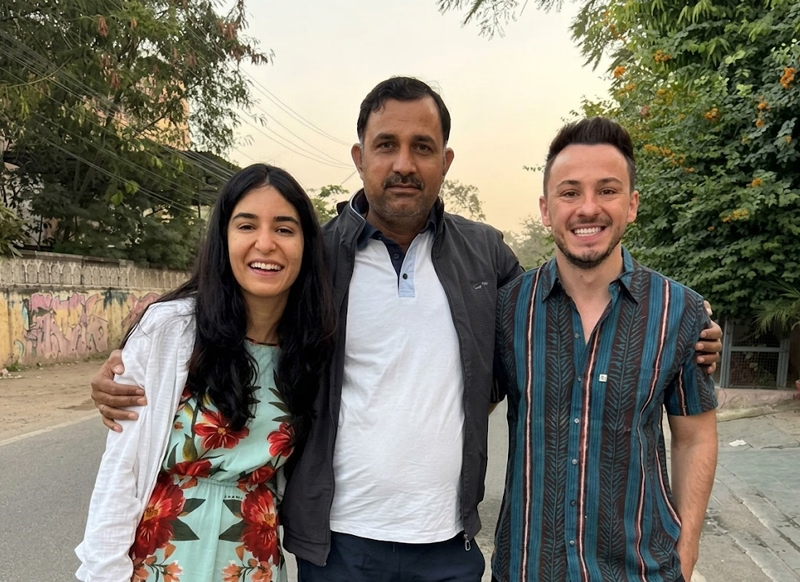
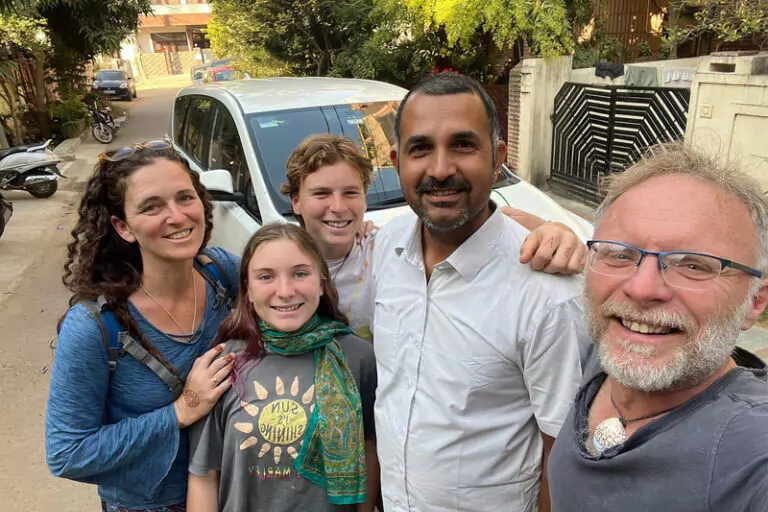
Traveling alone in India offers freedom, culture and unforgettable experiences. For Jen Ruiz, the journey became easier with a private car and driver through India’s famous Golden Triangle.
The Golden Triangle Tour connects Delhi, Agra and Jaipur. These three cities offer a strong introduction to India through historic monuments, royal palaces, colourful markets, local food and centuries of cultural heritage.
Jen’s journey focused on comfort, flexibility and local support. Instead of joining a fixed group tour or relying on several trains and taxis, she traveled with a private car and an experienced driver. This allowed her to explore at her own pace, take breaks whenever needed and enjoy each city without rushing.
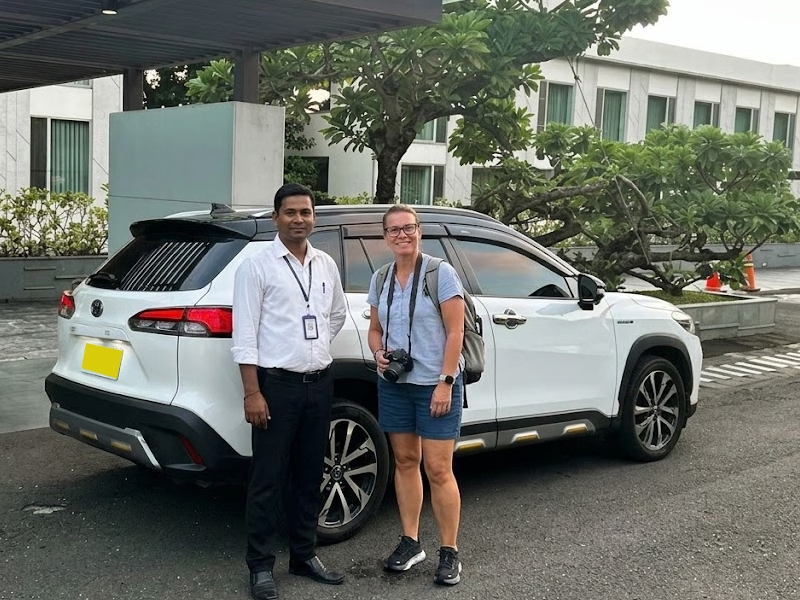
The Golden Triangle is one of India’s most popular travel routes. October to March usually offers comfortable sightseeing conditions, while April to June brings higher temperatures. The monsoon season runs across different parts of India at different levels, so travelers should check local weather before booking.
Why choose the Golden Triangle for a solo India trip?
Delhi, Agra and Jaipur bring together three distinct experiences on a familiar travel circuit. Delhi offers layers of history and contemporary city life; Agra is home to the Taj Mahal and Mughal-era monuments; Jaipur introduces visitors to Rajasthan’s forts, palaces, crafts and food. Travelling by road connects the cities without needing a domestic flight between each stop.
A private car is most useful for agreed intercity transfers, luggage and flexible breaks. It does not remove traffic, replace a local guide or automatically include hotels and monument tickets. Treat it as one part of the trip plan and confirm its scope in writing.
The solo journey behind this guide
The supplied source describes Jen Ruiz’s solo Golden Triangle journey with a private car and driver. Her story is the starting point for this practical guide; the itinerary below is a planning framework, not a claim that her exact travel dates, service inclusions or attraction schedules apply to every reader.
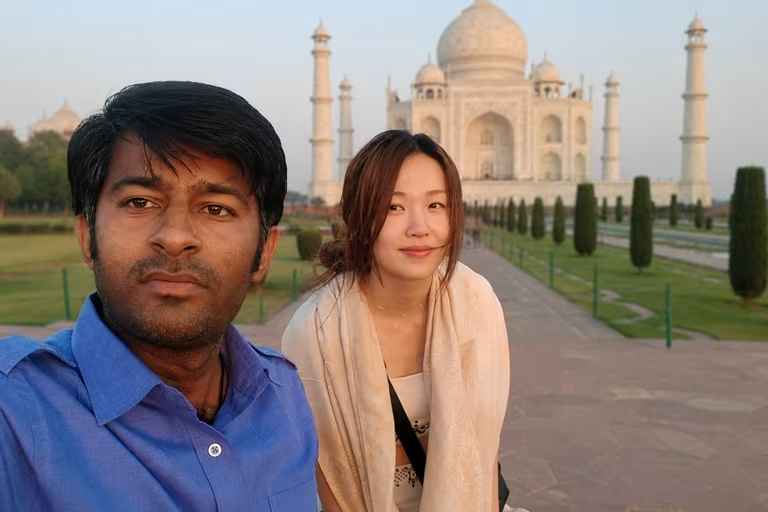
Choose the right trip length before you book
The Golden Triangle can be covered quickly, but a solo trip feels better when each day has a clear purpose and one realistic transfer. The classic route is Delhi–Agra–Jaipur, then back to Delhi or onward from Jaipur. Pick the number of nights first; only then decide whether to add a side trip. A route that looks compact on a map can still involve traffic, security queues, meal stops and hotel check-in time.
Four days: fast highlights
Use a four-day plan only if your arrival and departure times are kind. Spend one night in Delhi, one in Agra and one in Jaipur, with short, preselected sightseeing lists. This gives you the headline monuments but little unstructured time. It is better for a return visit or a tight schedule than for a first, immersive introduction.
Five days: a practical minimum
A five-day private-car route can give you two nights in Delhi, one in Agra and one in Jaipur, or two nights in Jaipur if that city matters most. Choose either a deeper Delhi day or a relaxed Jaipur day; trying to do both cities in full creates rushed evenings.
Seven days: the balanced choice
Seven days allow two or three nights in Delhi, one or two in Agra and two or three in Jaipur, plus transfer time. You can add a food walk, a craft visit or a slower morning without turning every day into a checklist. For many first-time solo visitors, this is the best balance of coverage and breathing room.
For a ready-made framework, compare the 5-day Golden Triangle tour and 4-day Golden Triangle tour. If you want to continue into Rajasthan, look at the Golden Triangle with Udaipur. Use a package as a starting point, then confirm the day-by-day plan, inclusions and pickup/drop-off details in writing.
A relaxed seven-day solo Golden Triangle itinerary
- Day 1 – Arrive in Delhi: Arrange an airport or station pickup, check in, eat near your hotel and rest. Keep your first outing optional. Save the driver’s name, vehicle registration and dispatch number before the pickup; send the details to a trusted contact.
- Day 2 – Delhi’s historic centre: Choose a compact Old Delhi plan with a guide or driver-supported drop-offs. Visit the Red Fort area and Chandni Chowk if current access and opening arrangements suit your date. Build in a meal and a quiet break instead of crossing the city several times.
- Day 3 – New Delhi and gardens: Select two or three sites such as Humayun’s Tomb, Qutub Minar, Lodhi Garden or India Gate’s public area. Monument entry, traffic and security checks take time. Keep evening plans close to your hotel or use a pre-arranged ride.
- Day 4 – Delhi to Agra: Leave after breakfast with water and a meal stop plan. On arrival, check in and visit Agra Fort or a garden viewpoint if opening hours and energy allow. Keep the evening calm so you are rested for the Taj visit.
- Day 5 – Taj Mahal, then Jaipur: See the Taj at the time that suits your interest and the day’s opening conditions. Return to the hotel for breakfast, then travel to Jaipur. Confirm the Taj’s weekly closure: the monument is closed to visitors on Fridays, according to Incredible India. Do not book Agra around a Friday Taj visit without checking the official schedule again.
- Day 6 – Amer and Jaipur’s historic sights: Start early for Amer Fort, then choose Jaigarh or a relaxed lunch rather than trying to conquer every fort. Return to the city for City Palace, Jantar Mantar or a market visit according to current hours and your pace. Rajasthan Tourism lists Amer Palace about 11 km from central Jaipur; actual travel time depends on traffic.
- Day 7 – Jaipur at your own pace or depart: Add a museum, a block-printing experience, a food walk or a slower breakfast. If flying from Delhi, leave enough buffer for the Jaipur–Delhi road journey and your airline’s check-in rules; an onward flight from Jaipur may reduce backtracking if schedules and fares work.
This is an adaptable outline, not a fixed promise of opening times or road duration. Confirm monument schedules, ticket conditions, road traffic and your flight or train details close to departure. If your trip falls during a festival, public holiday, major event or unusually busy weekend, add more buffer.
Day-by-day details: where a driver adds real value
Arrival day: make the first hour simple
Solo travel can feel most tiring when you are navigating a new airport, phone connection, cash needs and hotel address at once. Before you land, download the hotel location for offline use, keep the address written in English, and confirm the pickup point in clear terms. Ask the operator to send the driver’s name and vehicle registration before departure. If a flight is delayed, contact the official dispatch number or your hotel rather than accepting an unsolicited change of plan.
Keep your passport, phone, payment card and a small amount of cash accessible but secure. Put the rest of your luggage in the boot before the car moves, and make sure you can reach the seat belt. A professional transfer can remove some arrival friction, but it is still sensible to check that the vehicle and driver match the details you were given.
Delhi: plan by neighbourhood, not by a long wish list
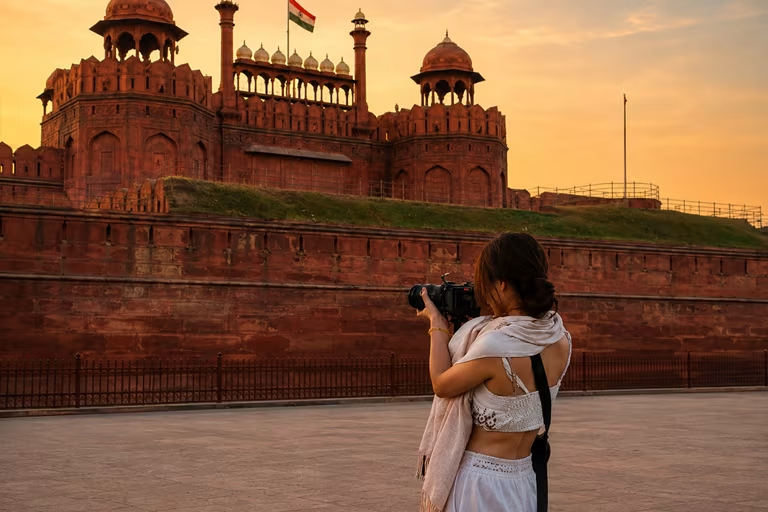
Delhi is large. A helpful driver can coordinate door-to-door movements, but cannot remove traffic or monument queues. Group sights geographically: Old Delhi on one day; central or south Delhi on another. Decide in advance where you want a guide and where you are comfortable exploring independently. A guide can add context in a complex monument or market, while a driver is mainly responsible for road transport and pickup/drop-off. These are different services, so confirm whether a licensed guide is included.
For a quieter first visit, begin with a well-known monument, garden or museum, then see how you feel before adding an evening outing. Agree on a specific pickup location and time. Large sites may have more than one gate or parking area; ask for a landmark you can recognize and keep the driver’s number accessible. If your phone battery is low, agree on a clear backup meeting point before entering.
Agra: give the Taj a day of its own
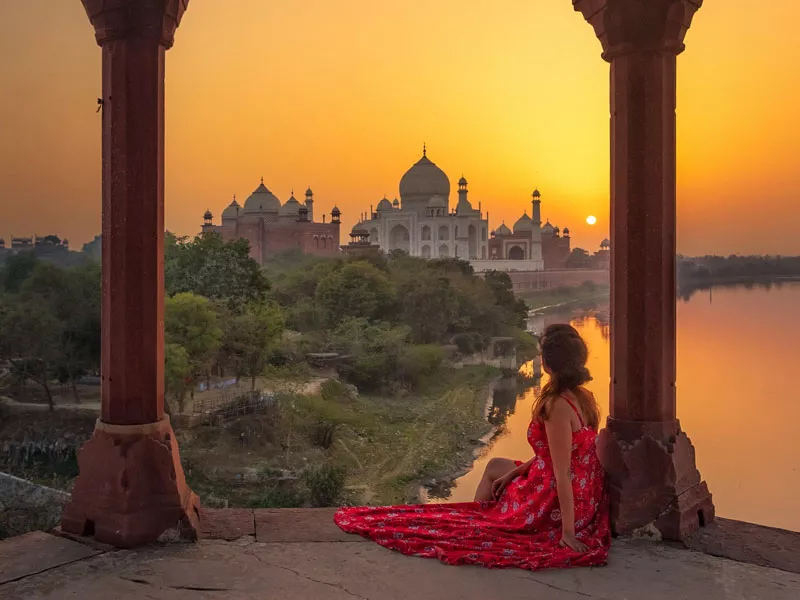
The Taj Mahal is often the emotional centrepiece of the trip, so avoid treating it as a quick stop squeezed between two long drives. Check the current ticketing source, entry gate instructions, what can be carried inside and the day’s opening status. Sunrise is popular, but the right time depends on season, weather, visibility, crowds and personal preference. If mist limits the view, the monument can still be meaningful; plan your day so you are not disappointed by a single photograph.
There is more to Agra than one monument. Agra Fort, Itimad-ud-Daulah, Mehtab Bagh and local craft traditions can add depth, depending on your interests and available time. Ask before photographing artisans or residents. When shopping, distinguish between a demonstration and a sales stop; you can politely decline purchases. If you prefer an independent visit, tell the driver your intended return time and confirm the exact pickup point.
Jaipur: leave room for the city beyond its postcard sights
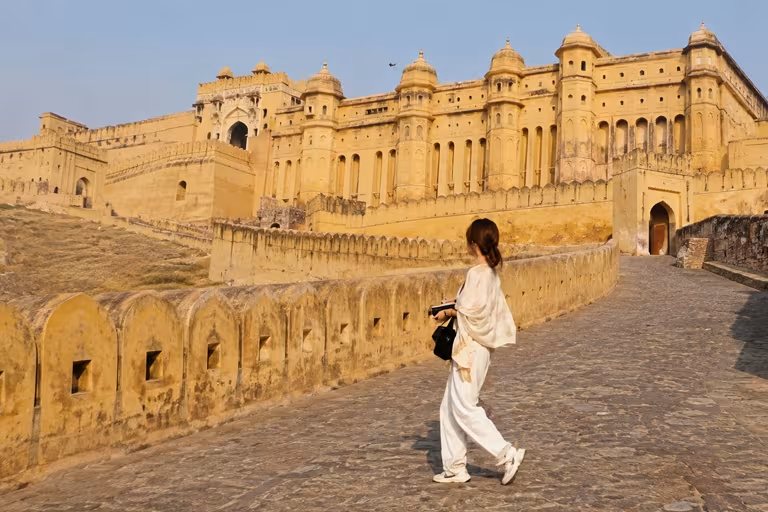
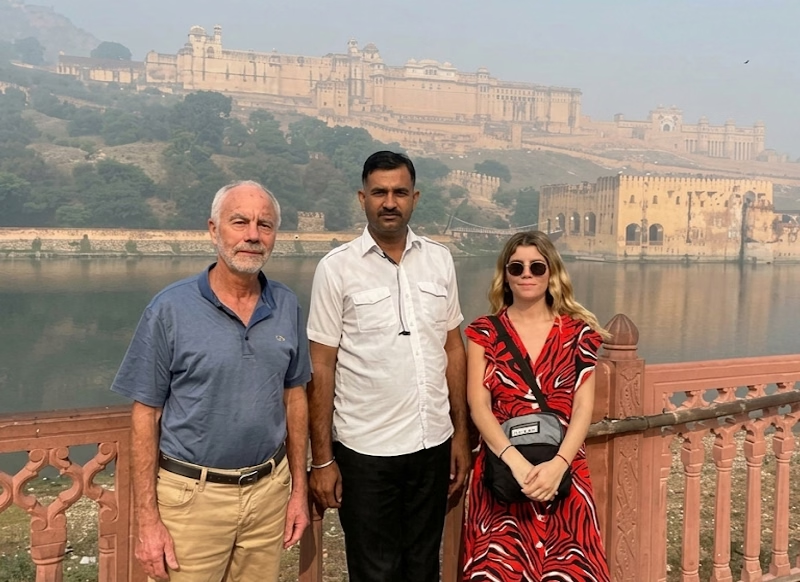
Amer Fort sits outside the central city, so it makes sense to pair it with nearby sights rather than return to the same area repeatedly. Rajasthan Tourism describes the fort as roughly 11 kilometres from Jaipur and highlights its courtyards and architectural sections. The complex involves walking and uneven surfaces; wear shoes with grip, take water and use a pace that suits you. Check the attraction’s current opening information before starting out.
In the central city, choose a manageable combination such as City Palace and Jantar Mantar, then pause for lunch. Hawa Mahal is striking from outside, but street photography should never require stepping into traffic. Use a safe, established viewpoint and be considerate of people in the frame. Jaipur’s hand-printing, jewellery, blue pottery and textile workshops can be interesting when the visit is transparent about prices and whether a purchase is expected.
What exactly does “private car and driver” mean?
A private-car arrangement generally means that the vehicle is reserved for your party and the driver transports you between the agreed pickup points. It does not automatically mean an on-board tour guide, monument tickets, hotel rooms, meals, city parking at every attraction, or unlimited route changes. Service boundaries differ by operator and package. For a solo traveller, written clarity matters because there is no companion to compare notes with at each stop.
Before you confirm, request the vehicle class, seating capacity, air-conditioning, luggage allowance, driver contact process, daily operating hours, included kilometres or route scope, intercity tolls, parking, state taxes, driver allowance, night charges, and policy for extra stops. Ask whether the same driver remains with you throughout or a local transfer changes between states. Both arrangements can work; you simply need to know who is responsible at each handover.
Clarify if the driver stays nearby while you sightsee, returns at an agreed time, or is off duty overnight. Confirm whether pickup is hotel-to-hotel and whether the quote covers the final airport or railway-station drop. If you want a guide inside a monument, ask whether the guide is licensed, what language is available and how the fee is handled. Avoid assuming that “driver-guide” means a trained heritage guide unless this is explicitly stated.
How to choose the right car for one person
A compact sedan may be comfortable for one traveller with a standard suitcase and a light day bag. A larger sedan or SUV can make sense if you carry bulky luggage, want extra legroom, travel with mobility needs, or prefer more room on longer road sections. The largest vehicle is not automatically better in narrow city lanes, and a cheaper vehicle is not a bargain if the luggage will not fit safely.
Share your luggage count and approximate bag sizes before booking. Ask for a recent vehicle photo only as a helpful reference, then confirm the actual registration and model on the day. Check that doors, seat belts, air-conditioning and boot space are in usable condition. Keep valuables with you rather than leaving them visibly in the car during a stop. A driver should not be asked to speed to rescue an unrealistic itinerary; build the schedule around safe, comfortable travel.
How to evaluate a tour operator and quote
Look for a clear business identity, reachable phone number, written itinerary, payment terms, cancellation policy and a real process for support during the trip. Read recent reviews across more than one platform, paying attention to specific details about punctuality, vehicle condition, communication and how complaints were handled. A large number of short, generic ratings tells you less than a few detailed accounts that explain the service.
- Ask for the complete route with city-to-city transfer days and hotel pickup points.
- Get inclusions and exclusions in writing, including taxes, tolls, parking, fuel and driver expenses.
- Confirm whether sightseeing is self-guided, guide-supported or a mix.
- Ask what happens if a flight is delayed, the car has a mechanical issue or you need help after office hours.
- Use traceable payment methods and keep the receipt, booking confirmation and cancellation terms.
- Check whether the booking is flexible if your dates shift, and what charges apply to changes.
- Do not share card PINs, one-time passwords or banking credentials with a driver or operator.
A low headline price can exclude the very items you assumed were included. Compare like with like: vehicle type, route, number of days, daily hours, taxes, tolls, parking, night allowance, transfer inclusions and support. Ask one direct question if any line is vague. A reputable company should be able to explain the price without pressuring you to pay immediately.
Safety planning for a solo traveller
Many people travel independently through the Golden Triangle, but a travel article cannot guarantee an individual experience. Safety depends on your own circumstances, current local conditions and the choices you make. Use practical layers: book known accommodation, check transport details, keep a trusted contact updated and trust your judgment if a situation feels uncomfortable.
- Share a simple itinerary: Send a trusted person your hotel names, transfer days and the operator’s official contact. Agree on a check-in time that is easy to maintain.
- Confirm every pickup: Match the driver and registration details to the booking. Sit in the rear seat if that feels more comfortable and wear the seat belt.
- Keep your own communication: Maintain access to your phone, power bank, mobile data or Wi-Fi plan, and offline maps. Save essential numbers in more than one place.
- Set boundaries clearly: You can decline a detour, unplanned shopping stop, invitation or conversation. Ask for a return to your hotel or a public, staffed place if you want to end an interaction.
- Choose evening plans deliberately: Use transport arranged through your hotel or operator when that is what feels right. Share the destination and expected return time with someone you trust.
- Protect personal documents: Keep passport and travel-document copies separate from the originals. Do not leave your passport in a car or hand it over except where a legitimate check-in process requires it.
- Respect local customs while keeping your comfort: Clothing norms vary by site and setting. A scarf or light layer can be useful at religious places, but dress should be a personal choice, not a promise of safety.
India’s Emergency Response Support System uses 112 as its pan-India emergency number. The Ministry of Tourism lists the multilingual tourist helpline at 1363 and 1800-11-1363. Save these numbers, but use them for the situations they are designed for; for immediate danger, contact emergency services. Keep the official government pages bookmarked in case details change.
Women travelling alone: practical comfort, not fear-based rules
A woman travelling alone may choose a private car for the intercity legs because it reduces the number of station changes, luggage hand-offs and unfamiliar transfers. That can be a comfort choice; it is not a guarantee and it does not mean independent travel is impossible. Decide where private transport adds value for you. Some travellers prefer trains for a daytime intercity journey and a car for late arrivals or hotel transfers.
Choose accommodation with recent reviews that mention location, check-in support, cleanliness and transport access. Confirm the exact property address because similarly named hotels can exist in different parts of a city. On arrival, keep the front desk number and room key secure. If you want an evening meal outside, ask the hotel about the route back and whether a trusted ride option is available. You do not need to explain a refusal to a stranger.
If you feel pressured by a driver, guide, shopkeeper or other person, use a short, firm boundary and move toward a staffed public area. Contact the operator using the original booking channel, your hotel, a trusted contact or emergency support depending on urgency. A good travel plan includes support contacts without assuming something will go wrong.
When to visit: season, weather and what “best” means
Many travellers choose the cooler months, broadly October through March, for daytime sightseeing in Delhi, Agra and Jaipur. Even then, winter mornings can be cold or foggy, and visibility may affect an early monument visit or road departure. Pack layers and leave flexibility for weather. In the hotter months, outdoor sites can be demanding; schedule exposed walks early, drink water and take breaks. Monsoon conditions vary by date and city, so check forecasts close to travel.
There is no one best month for every solo itinerary. If your priority is comfortable walking, look for cooler daytime forecasts. If your priority is fewer crowds, compare weekday dates and avoid major holiday periods where possible. If photography matters, remember that haze, fog, cloud cover and crowd levels are unpredictable. For current regional guidance, check official tourism information and the weather forecast immediately before travel.
Friday planning for the Taj Mahal
The Taj Mahal is closed to visitors on Fridays, according to Incredible India’s current visitor information. The same source gives regular entry from 30 minutes before sunrise until 30 minutes before sunset; special night viewing has separate rules and availability. Recheck the official page and ticketing source before you travel because schedules and entry procedures can change. If your Agra day falls on a Friday, plan another attraction and schedule the Taj for a different day rather than relying on a last-minute workaround.
Do not assume a sunrise ticket, transport booking or hotel reservation overrides a weekly closure. If you have a multi-day plan, make Agra flexible enough to move the monument visit. Keep your driver and hotel informed of the revised schedule, and verify whether any ticket can be changed under current rules.
Food, shopping and respectful local experiences
Trying regional food is part of the Golden Triangle experience, but you can choose the pace and setting that suits you. Start with busy, well-reviewed restaurants or hotel dining if your stomach is adjusting. Tell staff about dietary needs clearly, including whether you avoid meat, dairy, nuts or particular ingredients. Carry any medicines you normally use and drink sealed or properly filtered water according to your preference.
Food walks, cooking classes and craft workshops can provide a structured way to learn and meet people. Check the meeting point, duration, walking distance, group size, cancellation policy and whether transport back is included. For shopping, ask the price before a service begins, confirm whether a quote is per item, and keep the receipt for higher-value purchases. You can look without buying. Photograph people only after asking, especially in markets, workshops and religious spaces.
What to pack for the Golden Triangle
- Comfortable walking shoes with grip for forts, gardens and uneven pavements.
- Breathable day clothes plus a warm layer for winter mornings and air-conditioned spaces.
- A refillable bottle if you have a safe refill source, plus any preferred sealed water.
- Sun protection: hat, sunglasses and sunscreen, especially for exposed courtyards.
- Power bank, charging cable, plug adapter if needed and an offline copy of key bookings.
- Small day bag, tissues or wipes, hand sanitizer and any personal medication.
- Copies of passport, visa, insurance and emergency contacts stored separately from originals.
- Scarf or light cover-up if useful for weather or visiting sites with dress expectations.
Pack for the actual season and your planned activities rather than carrying every contingency. Keep valuables and essential documents with you during a road transfer. Before placing luggage in the vehicle, check that you have your phone, wallet, medicine and passport with you.
Booking checklist for a private-driver itinerary
- Confirm the trip dates, arrival airport or station, departure point and hotel addresses.
- Choose the number of nights in Delhi, Agra and Jaipur; identify any must-see sites.
- Ask for a day-wise schedule with realistic transfer days and planned rest time.
- Confirm the vehicle, luggage fit, air-conditioning and seat belts.
- Get a written list of included costs, excluded costs and any overtime or route-change charges.
- Verify whether monument tickets, licensed guides, hotels and meals are included or self-booked.
- Check how the company handles flight delays, breakdowns, illness and customer support.
- Read cancellation and refund terms before paying, and keep written confirmation.
- Save the driver and operator details, then share the plan with a trusted contact.
- Recheck attraction schedules, weather and transport arrangements shortly before departure.
Alternative ways to customise the route
If you have more than seven days, add a destination only when the extra travel supports your interests. Ranthambore suits travellers prioritising wildlife and needs its own time and advance planning. Udaipur changes the trip into a longer Rajasthan journey and is better with additional nights than as a hurried detour. Pushkar can add a smaller-town stop, while a return to Delhi may make sense for an international flight. A private driver can make route changes easier, but distance still costs time.
For a broader Rajasthan extension, compare the 8-day Golden Triangle with Udaipur and other Rajasthan tours. If you want one city at a slower pace, check the day-trip options. Choose the route based on the number of nights and actual arrival/departure logistics, not on how many place names fit into a headline.
Build a realistic day around one main visit
The seven-day outline gives the route shape, but the best daily plan depends on where you sleep, what time you arrive and how much walking you want to do. Treat one major visit as the day’s anchor. Add nearby places only after you account for travel between the hotel, entrance, ticket queue, meal and next stop. This is especially useful on a solo trip, when you make every small decision yourself.
Delhi: choose one side of the city at a time
Delhi sightseeing works better when attractions are grouped by area. Old Delhi can fill a morning through lanes, markets and monument surroundings; another day can focus on south Delhi or central Delhi. Avoid placing an early Old Delhi walk, Qutub Minar and a far-away evening event into one tight schedule. Your driver can arrange road transfers, while a walking guide or metro ride may suit a specific neighbourhood. Confirm which service you are using before the day starts.
For each stop, decide whether you want a detailed visit or just an exterior view. If you want to enter a monument, check the current opening day and ticket source, and leave time for security and walking from the drop-off. If your first Delhi day follows a long flight, make it an arrival and recovery day rather than a full sightseeing day. That small choice can make the rest of the tour more enjoyable.
Agra: protect the Taj visit from schedule pressure
Reserve enough time for entry procedures and the gardens around the Taj Mahal; the view is not limited to the first photograph at the gate. If you also want Agra Fort or another site, choose an order that respects opening times, the day of week and your energy. Discuss the day’s pickups with your driver the evening before. For a Friday visit, the Taj is closed to visitors, so plan a different day or use the time for another Agra experience.
Some itineraries add Fatehpur Sikri between Agra and Jaipur. It can be a worthwhile historical stop, but it adds walking and time on a transfer day. Ask the operator to show the full sequence and expected stop duration. If the day is already long, you can leave Fatehpur Sikri for another visit rather than arriving in Jaipur late and tired. It is better to have one good stop than several rushed photo breaks.
Jaipur: balance Amer with the walled city
Amer Fort is north of central Jaipur, while several central-city sights are closer to each other. A practical day can begin at Amer, include a meal, then return to the city for one or two nearby visits. Do not assume that every site can be explored in a few minutes. Check current hours, whether a museum section has separate access rules, and the distance from the vehicle drop point to the entrance.
If you enjoy shopping, reserve a separate block of time rather than fitting a market visit between monument entries. Ask the driver for a drop and pickup point, then agree whether the car will wait or return at a set time. Use a safe pedestrian route for photographs around Hawa Mahal and avoid stepping into traffic. A slower Jaipur day can be a welcome finish to a week of intercity travel.
Plan around arrival time, departure time and the weekly calendar
Trip length in the headline does not tell you how many usable sightseeing hours you have. A late-night arrival on Day 1 and an early-morning departure on the last day leave fewer hours than a midday arrival and evening flight. Before choosing a four-, five- or seven-day tour, map your actual flight or train times onto each calendar date. Count only the time you can realistically spend outside the hotel.
Mark weekly closures and any fixed attraction booking first, then build the route around them. The Taj Mahal’s Friday closure is an important example. Also check whether a site has a special public-holiday schedule, local event closure or security restriction for your date. If you have a non-refundable international flight, avoid a same-day long drive from a different city wherever possible. Finishing in the departure city or adding a buffer night can reduce the risk of a stressful connection.
Ask your tour operator which city the car and driver service starts and ends in. A route that begins at Delhi airport and ends at Jaipur railway station differs from a round trip ending in Delhi. Confirm one-way charges, overnight arrangements and the final drop location before paying. If your flight changes, update both the hotel and operator through the original booking contact rather than relying on a message passed through another person.
Set a simple daily check-in routine
A short morning conversation can prevent confusion later. Confirm the day’s first stop, expected departure time, approximate return, meal break, any optional detour and who to contact if the plan changes. If costs may change due to extra distance, overtime or added parking, confirm those charges before taking the detour. Save the details in a message so you can refer to them at the end of the day.
When you arrive at a large site, agree on a precise pickup point and a fallback meeting place. Monument complexes can have several entrances and busy parking areas; “meet at the gate” may not be specific enough. Keep the driver’s number accessible, but do not depend only on a live phone connection. A landmark, written meeting time and location pin downloaded offline provide a simple backup.
If you want to change the schedule, tell the driver early. A later departure can affect the next stop, traffic exposure or agreed driving hours. You can absolutely choose to stay longer at a place, but both sides should understand the effect on the rest of the day. Calm, specific communication makes a flexible private tour work better than an assumption that every change is automatically included.
Accessibility, health and energy planning
Historic sites may include steps, uneven stone, ramps that do not reach every area, long outdoor paths or limited shade. If you have mobility needs, a chronic condition, a recent injury or a preference to limit stairs, tell the operator before booking. Ask about vehicle access, drop-off distance, seating breaks, restroom availability and whether an accessible route exists at the attractions you have selected. Do not rely on a general description such as “easy sightseeing.”
Plan water, meals, medication and rest around your own needs. Carry prescriptions in their original packaging where practical, keep a basic list of relevant medical information and know how to contact your travel insurer. Heat and long walking distances can affect visitors differently; shorten the day when you need to. A private driver can make it easier to return to the hotel, but confirm the daily service hours and whether an unplanned return changes the quote.
For older travellers or families accompanying you, the same principle applies: agree the pace and walking load before each day. Keep one optional stop that can be dropped without disrupting the route. The itinerary should serve the people taking the trip, not the other way around.
Prepare for small delays without losing the day
Road traffic, weather, security checks and attraction queues can shift a schedule. Keep one flexible block in the itinerary and avoid stacking timed reservations immediately after long drives. If a delay occurs, decide which lower-priority stop to remove instead of trying to recover time by rushing. A reasonable buffer is part of the route, not wasted time.
During foggy winter mornings, visibility can affect both photography and road conditions. In hot weather, schedule exposed courtyards earlier and keep the middle of the day lighter. Rain can make stone surfaces slippery and change how comfortable outdoor visits feel. Check the forecast for each city, carry an appropriate layer and use footwear that works on uneven surfaces.
If a site is unexpectedly closed, verify the notice at the official entrance or official channel, then ask the driver and operator to help revise the plan. Do not assume a ticket seller, tout or unsolicited guide can reopen a site or guarantee entry. Keep your booking, payment proof and customer-support contact available so that any refund or rescheduling request follows the stated policy.
Questions to settle before you leave home
Write down answers to the practical questions that are easy to forget during a busy arrival: Who is meeting me? What number do I call if the driver is not at the agreed point? Which hotel is confirmed for each night? Does the car stay with me for city sightseeing or only intercity transfers? Are tolls, parking and driver expenses in the quoted price? Which sites require a separate guide or ticket? What is the plan if weather or a closure changes the day?
Keep a digital copy of the final itinerary and a second copy offline. Send the names of your hotels and the operator’s official number to someone you trust. Save your booking confirmation, cancellation terms and emergency contacts in a folder you can find quickly. You do not need to share every detail publicly; a trusted person only needs enough information to know where you expect to be.
Before departure, reconfirm the pickup date, local time, address and luggage count. If you need a child seat, have oversized luggage or require a specific type of vehicle, confirm that in writing. These details are easier to resolve before the car arrives than at a hotel entrance when you are ready to leave.
Decide in advance what you can skip
A solo itinerary becomes easier to manage when it has a clear priority order. Put the one or two experiences you most want to protect at the top. Mark another stop as optional, and keep a third as a substitute if weather or opening hours disrupt the day. This does not make the trip less ambitious; it prevents one delay from forcing you to abandon the experience you travelled for.
For example, if visiting the Taj Mahal is your main reason for going to Agra, protect that visit first and treat a second monument as optional. If Amer Fort is your priority in Jaipur, reserve enough time for it before adding a market or museum. If Delhi’s food and neighbourhood life matters more than monuments, reduce the number of large complexes instead of trying to fit every major sight into the same day.
Tell your driver which stops are essential and which can be removed. If you are travelling with a guide, share the same priorities so the guide can pace the visit. Clear priorities are more useful than a long list that no one can complete comfortably.
Use detours only when the route still makes sense
Fatehpur Sikri and Chand Baori at Abhaneri are examples of places that may be considered around a Delhi–Agra–Jaipur drive, but they are not automatic additions to every tour. Their suitability depends on the road sequence, access, opening conditions and how much time you have. Ask the operator to show the proposed order on a map and state the extra driving time or charge before you confirm.
A detour is a good choice when it adds something you genuinely want to see and leaves enough time for the main destination and arrival. It is a poor fit when it means rushing the Taj visit, skipping lunch or arriving at your Jaipur hotel very late. If you have more than a week, consider an extra night and make the side visit its own unhurried outing.
Do not rely on a driver’s casual estimate alone for a timed connection. Check the full transfer with your hotel, operator and current traffic context. The driver can suggest a practical route, while you decide whether the detour is worth the time.
Small comfort choices that matter on a long road day
Before departure, use the restroom, refill your water, carry a light snack if you need one and check that your phone is charged. Keep sunglasses, medication, tissues and a light layer within reach rather than buried under luggage. Let the driver know if you need a short stop; agree on a suitable public place and how long you will pause.
For privacy and comfort, you can ask about the vehicle’s air-conditioning, seat belts, charging options and luggage storage before you travel. Keep a day bag with you and place larger cases securely in the boot. If you have a preference about music, conversation or temperature, communicate it politely. Clear expectations make a long transfer more comfortable for both you and the driver.
Drivers also need appropriate breaks and rest. Confirm the daily operating hours and any overnight arrangement rather than expecting continuous driving. A realistic departure time protects both passenger comfort and road safety. If a schedule requires driving late after a full day of sightseeing, shorten the sightseeing plan or add a night.
Frequently asked questions
Is the Golden Triangle suitable for a first solo trip to India?
It can be a manageable introduction because Delhi, Agra and Jaipur have established visitor services and many accommodation and transport options. Your experience depends on your route, dates and preferences. Confirm your first hotel and transfer, then keep some flexibility for rest.
Is a private driver worth it for one traveller?
It can be useful if you value direct hotel-to-hotel transfers, agreed stops and help with luggage. Compare the dated car quote with train or bus tickets plus station transfers and local rides. Choose according to your budget, pace and comfort.
Does a private driver also work as a monument guide?
Not automatically. Driving and guiding are different services. Ask whether a trained local guide is included, what language is available and whether the fee is separate.
How many days should I plan?
Four days is a fast highlights trip; five days is a compact minimum; seven days gives more time for Delhi, Agra and Jaipur without filling every hour. Count arrival and long-transfer days realistically.
Can I visit the Taj Mahal on Friday?
The Taj Mahal is closed to visitors on Fridays according to Incredible India. Recheck the official visitor and ticket information before confirming your Agra dates.
What is the best time of year for the tour?
Cooler months are popular for outdoor sightseeing, but winter fog can affect visibility. Hot months need early starts and breaks; monsoon conditions vary. Check city-level forecasts near your travel dates.
How much does a private-car tour cost?
Cost depends on dates, vehicle, route, hotels and inclusions. Request a current itemized quote and compare tolls, parking, driver allowance, guides, tickets and cancellation terms.
Can I start in Delhi and finish in Jaipur?
Yes, if your onward transport works. Confirm the final drop-off city and any one-way fee before booking.
Can I book a car only for the intercity legs?
Ask for a point-to-point quote. You can arrange local sightseeing separately, but confirm each pickup/drop point and whether the one-way route changes the price.
Should I book guides or attraction tickets in advance?
Check the official ticket source and current opening notices for each attraction. Advance planning may help for fixed dates or a specific guide language; confirm the meeting point and cancellation terms.
What emergency numbers should I save?
India’s pan-India emergency number is 112. The Ministry of Tourism lists its multilingual tourist helpline as 1363 and 1800-11-1363. Verify official information before travel.
Can I travel solo if I do not speak Hindi?
Many visitors travel using English, but language varies by service. Save hotel and destination addresses in writing, confirm the driver’s communication language and consider a guide where detailed interpretation matters.
What if I do not want a suggested shopping stop?
Say clearly that you want to continue to your chosen destination. Discuss optional stops and any route charges with the operator before agreeing.
Should I tip the driver?
Check whether a driver allowance or service charge is included. A tip is your choice; it should not replace a clear written fare agreement.
What should I do if my phone or wallet is lost?
Move to a staffed public place and contact your hotel, operator or trusted person. Use your bank’s official card-freeze process and contact your embassy or consulate for passport guidance if needed.
How to make the experience feel personal
The strongest solo itinerary is not the one with the most stops; it is the one that gives you enough time to notice where you are. In Delhi, that may mean sitting down for tea after a museum. In Agra, it may mean seeing the Taj without a rushed departure immediately afterward. In Jaipur, it may be an hour at a textile workshop or an evening meal chosen for its local menu rather than its photo backdrop.
Before you leave home, write down three priorities: one historical site, one everyday cultural experience and one thing you want to do at a slow pace. Build those into the schedule first. Then add optional stops only if the travel day permits them. A driver can support that flexibility by handling agreed transport, but you remain in charge of what you want to see, how long you stay and when you need a break.
Keep a small note on your phone with hotel addresses, pickup times, ticket references and the day’s plan. It is useful when mobile data is inconsistent or you need to explain your destination clearly. At the same time, do not over-schedule every hour. Allow space for a longer security line, traffic, weather, a conversation or simply being tired.
How the main transport choices compare
A private driver is one option within a broader trip, not a rule for every traveller. You can combine a car for airport arrivals and selected road legs with metro, walking tours or trains where those options suit. Think about the door-to-door time, luggage, station transfers, departure hour and how much flexibility you want.
| Option | Useful when | Plan for |
|---|---|---|
| Private car and driver | You want hotel-to-hotel transfers, flexible agreed stops or help managing luggage between cities. | Clarify the route, vehicle, operating hours, tolls, parking, driver allowance, overnight arrangements and support contact in writing. |
| Train | You prefer a scheduled rail journey and can arrange station transfers at both ends. | Check the exact station, departure time, ticket class, luggage plan and onward ride. Keep a buffer for station navigation. |
| Intercity bus | A scheduled coach route and its departure points suit your budget and timing. | Confirm the boarding point, luggage policy, arrival location and last-mile transport to your hotel. |
| Metro or local ride | You are exploring a city area and want to avoid road traffic for part of the day. | Check current service, station access and the best route back to your accommodation. |
For the intercity legs, compare the real door-to-door sequence instead of comparing only ticket time with driving time. A train may be quicker between stations but involves getting to the station, arriving early, managing bags and finding a ride after arrival. A private car may take longer on the road but reduce hand-offs. There is no universal winner; what matters is the itinerary you will actually experience.
Keep an honest trip budget
Solo travel has one practical difference: you may be paying for a vehicle, hotel room and guide without sharing the cost with another traveller. A good budget therefore separates fixed costs from per-person costs. The vehicle is often a fixed daily or route cost, while tickets, meals and some guide services are charged per traveller. Ask the operator to clarify its pricing model rather than assuming a per-person rate.
- Transport: Private-car quote, fuel, tolls, parking, driver allowance, state taxes, airport pickup or a one-way drop charge.
- Accommodation: Room rate, breakfast, taxes, late arrival arrangements and any single-occupancy supplement.
- Sightseeing: Entry tickets, special access if offered, local guides and any separately booked experiences.
- Daily spending: Meals, drinks, small purchases, tips if you choose to give them, and local transport outside the car arrangement.
- Contingency: A reserve for schedule changes, a longer stay, a replacement transfer or an unexpected health need.
When comparing quotes, put each operator’s answer in the same categories. For example, one company may include parking and driver accommodation while another lists those as extras. The headline price can look lower even when the final spend is not. Ask for the final payable amount, payment schedule, currency, receipt process and cancellation terms. Keep a copy of the final itinerary and quote in email or offline storage.
Set aside a small personal reserve that is not part of your day-to-day cash. Avoid carrying all your cash or cards together. Tell your bank about international travel if required by its policies, and know how to freeze a card through its official app or hotline. Never disclose a one-time password to someone who offers to “help” with a payment.
Make the schedule comfortable for your own energy
Solo itineraries need to account for more than road distance. You are the person checking in, carrying your day bag, finding the right entrance, buying a ticket, staying hydrated and deciding when to pause. That workload can make a packed schedule feel harder than the same route looks on paper. Put an intentional recovery period into the plan, especially after the international flight and after the Delhi–Agra transfer.
A useful rule is to pick one anchor activity for each day. Other stops are optional. If the anchor is the Taj Mahal, keep the evening before easy and do not schedule an elaborate evening after the visit. If the anchor is Amer Fort, avoid adding several far-apart city attractions before lunch. This approach still lets you see a lot, but it protects your attention and energy for the places that matter most.
Give yourself permission to change the plan. If the weather is uncomfortable, choose a museum or rest. If you are enjoying a place, stay longer and skip a lower-priority stop. Tell the driver in advance when your schedule changes, especially if the change affects the agreed route or working hours. A clear conversation avoids misunderstandings about extra distance or overtime.
Arrival and departure logistics that are easy to overlook
Before booking the first hotel, verify the airport or railway station and the expected arrival time. Delhi has multiple transport points, and the exact pickup instructions matter. Share the flight or train number with the operator if it uses that information to monitor delays. Confirm whether the driver waits at the terminal, calls when you land, or meets you at a marked point. Do not assume “airport pickup” means the driver can enter every area of the terminal.
For departure day, work backward from the airline or train operator’s current check-in guidance, then add realistic transfer time and a buffer for traffic. If you leave Jaipur by road for a Delhi flight, the trip includes more uncertainty than a short city transfer. Consider ending your tour in the city of departure if a missed connection would be costly. An open-jaw booking can sometimes reduce backtracking, but check flight schedules, baggage rules and the final city drop-off before choosing it.
Confirm the final drop location and time in writing. If your hotel changes, send the new address to both the operator and driver through the official booking channel. Keep enough mobile battery to make the pickup and do not rely solely on a screenshot of a map pin; save the written address and a nearby landmark as well.
Hotel choices for a solo road trip
For a short city stay, a well-located hotel can save time and lower the number of complicated evening transfers. “Central” is not a precise location, so compare the property’s actual map position with the places you plan to visit. Look for recent guest comments about check-in, room security, cleanliness, noise, lift access, breakfast timing and help arranging transport. A hotel with a staffed front desk may be reassuring if your arrival is late or your plans change.
Ask whether the hotel can receive the driver or help coordinate the pickup point. If the property is on a narrow lane or in a pedestrian area, the car may need to stop nearby rather than at the front door. Confirm how you will carry your luggage the remaining distance. At check-in, make sure the room reservation name and dates are correct, ask about breakfast hours and save the property’s phone number.
Do not choose a hotel based only on a promotional photograph or the word “heritage.” Read recent reviews and check the cancellation conditions. If you are travelling alone, a lower-cost property far outside the places you will visit can add transport expenses and fatigue that erase the apparent savings. The most economical choice is the one that fits the full trip, not simply the room price.
Responsible visits to heritage and religious sites
Delhi, Agra and Jaipur are living cities as well as destinations. Many monuments sit beside active neighbourhoods, places of worship and working markets. Follow posted rules, use marked entrances, do not climb on protected structures and ask before taking close photographs of people. At religious places, observe local instructions on footwear, clothing, photography and areas where visitors may enter.
Consider using guides who can explain the history and local context without turning the visit into a shopping obligation. Ask how long the tour lasts, what language it uses and what the fee covers. If a person offers an unsolicited guiding service, you can decline and continue to the official ticket or information point. Respectful travel also means keeping noise low in quiet spaces and disposing of litter properly.
For a craft experience, ask whether the workshop is a production space, demonstration or retail showroom. A direct explanation helps you decide whether you want to spend time there. Pay the agreed price for a service you choose to use, and do not feel pressured to buy an item because you received a demonstration. Take your time comparing products and ask for a receipt for significant purchases.
Practical mobile and navigation setup
Before travel, check how your phone will connect in India. Depending on your nationality and plan, this might mean roaming, a local SIM or an eSIM. Confirm the activation requirements before departure and keep access to two-factor authentication for essential accounts. Download offline maps for each city and save your hotel and operator contacts so you can still find basic information when mobile data is weak.
Use a power bank during long sightseeing days and keep it charged overnight. Save digital tickets and booking messages in a folder available offline, while keeping a separate copy of essential documents. A paper note with the hotel address, emergency contact and pickup point is a useful backup if your phone is lost or discharged. When travelling with the driver, use the agreed communication channel and confirm any route change in writing if it affects price or timing.
If you share your live location with a trusted person, choose a contact who understands the trip and agree when you will check in. Location sharing is a personal choice and should not replace ordinary communication. You can also send a simple message when you leave a hotel and when you arrive in the next city.
Common planning mistakes and how to avoid them
- Trying to fit everything into one day: Pick a few worthwhile visits and leave the rest for another trip. A driver cannot make the monuments closer together.
- Ignoring weekly closures: Check the Taj Mahal’s Friday closure and verify opening information for every site on your selected date.
- Assuming the driver is a guide: Ask who will explain the site, whether a guide is licensed and what the fee includes.
- Booking by headline price: Compare inclusions, taxes, tolls, parking, hours, route and cancellation terms.
- Leaving the hotel location vague: Share the exact property address and confirm whether the vehicle can reach its entrance.
- Scheduling an important connection too tightly: Add time for road traffic, delays, check-in and security procedures.
- Changing route details verbally only: Confirm extra stops, added mileage, charges and schedule changes with the operator in a message.
- Carrying all essentials in checked luggage: Keep medicines, documents, phone, payment card and a change of clothes accessible.
- Assuming one season forecast applies to all days: Check conditions city by city and adjust outdoor plans as the date approaches.
- Feeling obliged to accept an invitation or purchase: A polite “no, thank you” is enough; move to a staffed public place if you prefer.
How to tailor the trip to different traveller styles
For a history-focused traveller
Allow longer visits at the Red Fort, Humayun’s Tomb, Agra Fort and Amer Fort, and consider booking guides for the sites where interpretation matters most. Do not schedule multiple large complexes on the same day unless you know you enjoy long walking visits. A museum or garden can offer a change of pace between forts.
For a food and market traveller
Use a guided food walk or class with clear meeting arrangements, then keep another meal unplanned so you can follow local recommendations. Markets can be busy, so agree on a pickup point and keep your belongings secure. If you have allergies or dietary restrictions, communicate them before ordering and ask about ingredients rather than relying on assumptions.
For photography
Plan for light, but do not make a single sunrise or sunset the condition for enjoying a site. Check photography restrictions, avoid blocking busy paths and ask before photographing people. For early starts, make sure your hotel, driver and ticket arrangement all match the timing and current rules.
For slow travel
Stay an extra night in one city and remove the least important transfer. A quieter rhythm can mean fewer hotel check-ins and more time for ordinary experiences such as a neighbourhood walk, a longer lunch or a textile visit. The classic circuit still works when you see fewer sights more carefully.
Extend beyond the triangle only if you have time
Many itineraries add Udaipur, Pushkar, Ranthambore or another Rajasthan destination. Each addition changes the trip’s balance. Ask how many nights the destination needs, how long it takes to reach, and whether you are willing to spend that much time in transit. If you have only a week, a direct Delhi–Agra–Jaipur route usually keeps the logistics simpler. With more time, an extension can make the tour feel more personal.
For a longer Rajasthan plan, start with the Rajasthan tour collection and compare routes that explicitly state the number of nights, transfer endpoints and included services. A route title alone does not show whether the tour allows enough time at each stop. Ask for the actual schedule before confirming.
Official travel information to recheck
For current visitor guidance, consult Incredible India’s Taj Mahal page, Rajasthan Tourism’s Jaipur guide, the Government of India’s 112 emergency response information, and the Ministry of Tourism’s official website. Check current attraction ticketing and opening notices again close to your visit.
Conclusion: A relaxed solo Golden Triangle is about the pace
Delhi, Agra and Jaipur reward a traveller who leaves room for the places between the headline monuments. A private car and driver can make the agreed road transfers easier to manage, while a realistic schedule, written inclusions and current attraction checks keep the trip clear. Choose the stops that matter to you, leave space for rest and use the route as a flexible plan rather than a race.
Plan your solo Golden Triangle route
Share your dates, starting city and preferred pace to discuss a realistic route with a private car and driver.

Jen Ruiz
Solo Traveller
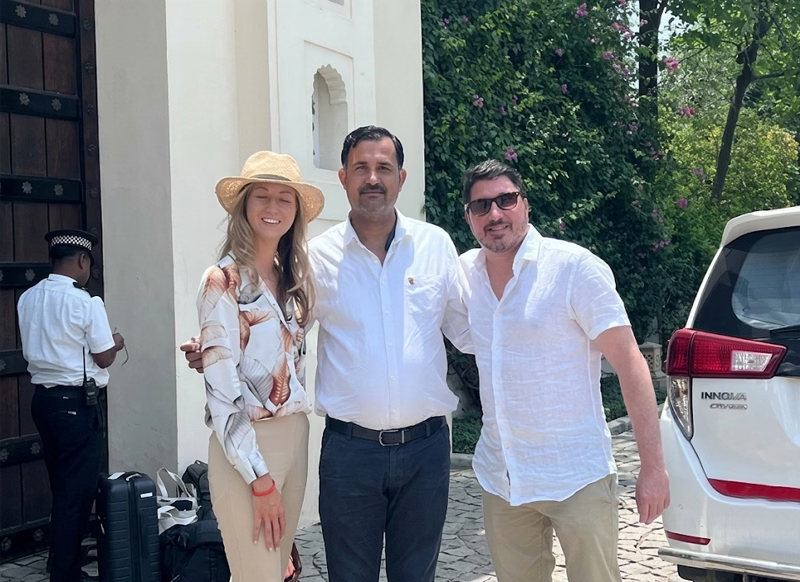
Jen’s journey shows how a private car and driver can make a solo Golden Triangle tour more comfortable, flexible and organised.
Travel details, operating schedules, prices and local conditions can change. Confirm current information with official sources and service providers before travelling.