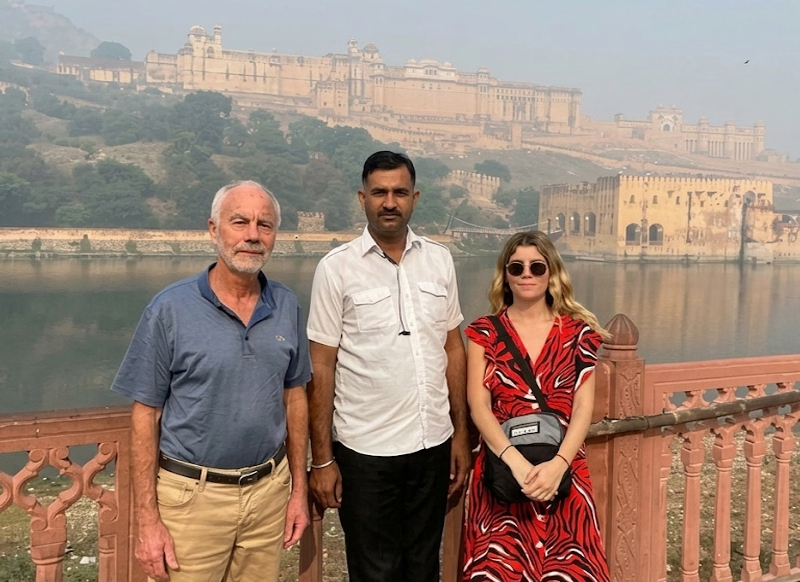
Private Car and Guide Travel in India
Private Car Rental with Driver & Guide in India
A private car can make a wide-ranging India itinerary easier to manage: your party travels together, luggage stays with you, and the day can include the stops that matter to you. Pairing the car with an experienced driver and local guides at selected destinations adds practical support without turning every day into a fixed group tour. The key is understanding what each service includes. A driver handles the vehicle and road journey; a local guide explains a place or experience. They may be different people, and their fees, schedules and responsibilities should be confirmed separately.
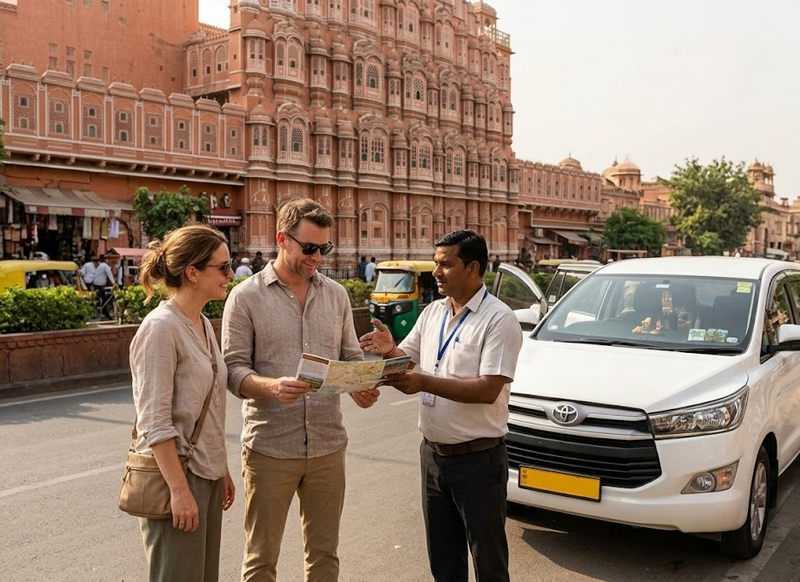
This guide explains how private car rental with a driver and guide works in India, how to choose a vehicle, what to check in a quote, and how to plan realistic routes. It covers airport and railway station pickups, guided sightseeing, sample itineraries, accessibility and family needs, road safety, seasonal planning, alternatives to driving, and questions to ask before you book. Use it as a planning framework, then confirm current details for your actual dates and destinations.
How Private Car, Driver and Guide Services Work
A private car rental with a driver generally reserves a vehicle for your party and assigns a professional driver for a transfer, local sightseeing service or multi-day journey. The arrangement may be priced by a route, a day, a number of kilometres or a combination. A transfer usually covers one pickup and drop-off; it does not automatically include the car for the rest of the day. A local sightseeing booking may have a defined number of hours or stops. A multi-day booking may use one vehicle for several cities, subject to permitted routes and daily operating limits.
A local guide provides interpretation, history, context or specialist knowledge at a particular place. Depending on the destination, a guide might meet you at a monument, lead a walking tour, accompany a museum visit or support a food or nature experience. Guiding can be arranged for a few hours rather than for the entire road trip. Clarify whether the guide meets you at the site, rides in the car, or requires a separate transfer. These details affect timing, vehicle capacity and the total cost.
Do not assume that “driver and guide” means one person performs both jobs. The driver’s primary responsibility is safe driving and vehicle operation. A driver may share general local knowledge, but this is not the same as a guide service or a site-specific professional interpretation. If you want a licensed or specialist guide, ask who provides the service, what language they speak, which locations they cover and what credentials or permissions apply. The agreement should name each service clearly.
Likewise, “private car” does not always mean unrestricted use. A booking can have a daily kilometre allowance, a service-hour limit, a defined route, a night-driving policy or a boundary for the driver’s working day. A vehicle may not be available for late-night returns unless this was agreed. Confirm the start and finish point of each day, the expected departure time, meal breaks, waiting arrangements and what happens if your plans change.
Three common service formats
- Point-to-point transfer: A single journey, such as an airport to hotel, hotel to railway station or one city to another. Confirm the pickup location, flight or train monitoring, waiting time and luggage fit.
- Local sightseeing car: A vehicle used for a set period or route within one city. Confirm the service window, kilometres, parking arrangements, stops and whether the driver waits while you visit attractions.
- Multi-day private tour: A vehicle and driver assigned to an itinerary across multiple days. Confirm city sequence, overnight arrangements, daily distance limits, driver expenses, outstation permissions and whether the same driver and car are expected throughout.
Some operators combine these formats in a single itinerary. For example, a trip may begin with an airport pickup, include a local sightseeing day, continue with intercity drives and finish with a station transfer. Ask for each segment to be listed so it is clear when the car is at your disposal and when a separate booking is needed.
Why Travellers Choose a Private Car in India
Door-to-door travel with luggage
India trips often involve several kinds of travel: an international flight, a domestic connection, a railway station, a hotel, a monument and perhaps a rural stay. A private car can connect the points without asking you to handle bags through multiple transfers. That can be especially helpful after an overnight flight, when travelling with children, or when your group has mobility needs or several suitcases. It does not remove the need to confirm hotel access, parking or vehicle size, but it can make the travel day easier to coordinate.
Control over pace and stops
With a private itinerary, you can often set a start time that suits your group, pause for meals and request reasonable photo or rest stops. Flexibility is valuable when someone needs a slower pace or when you want to spend longer at a site that interests you. It still needs boundaries: the driver must have adequate rest, the route must be feasible, and extra kilometres or extended hours may cost more. Agree on flexibility in advance instead of assuming every change is included.
One coordinated plan for a group
Couples, families and small groups can travel together rather than splitting between multiple taxis. This simplifies coordination and may make the overall price easier to compare per person. The vehicle must still fit the actual passengers and luggage, including child seats, mobility equipment and any bags carried inside the cabin. Request the model or vehicle class and luggage capacity, not just a passenger number.
Support in unfamiliar places
A professional driver can help with navigation, pickup coordination and local road conditions. A local guide can explain cultural context and help you understand what you are seeing. Together, these roles can make a trip feel more organized, particularly when you are new to the country. Ask for a named contact or dispatch number and agree how you will reach the driver if a flight is delayed, your phone has no data or the pickup point is crowded.
Access to places beyond major transport corridors
Some rural retreats, wildlife lodges, small towns and countryside sites are not convenient to reach by a single direct train or bus. A private car can reduce the number of transfers and make it easier to include short stops en route. Before choosing a remote destination, ask about road conditions, the last practical arrival time, local transport rules and whether the property has a clear pickup point. For protected areas or restricted sites, follow official access and permit rules rather than relying on an informal promise.
When a private car may not be the best fit
A car is not automatically the fastest or least expensive choice for every route. In a major city, traffic and parking can make the metro, a short taxi ride or walking more practical. On a long intercity journey, a direct train or flight may save time and reduce fatigue. If you are travelling alone on a simple corridor, compare the full cost of a private vehicle with a reserved seat and local transfers. Choose the transport that fits the route, mobility needs, schedule and budget.
Choosing the Right Vehicle for Your Party
Select a vehicle based on the people and bags travelling, the longest day, road conditions and any comfort needs. A vehicle that fits everyone for a short airport ride may feel cramped on a week-long route. Ask for the confirmed vehicle category, seating arrangement, air-conditioning, luggage space and whether the quoted vehicle is guaranteed or only an example. If the operator can substitute a similar model, agree what “similar” means before paying.
| Vehicle type | Often suits | Confirm before booking |
|---|---|---|
| Compact sedan | One or two travellers with light luggage and mostly paved routes | Rear-seat space, boot capacity, air-conditioning and ground clearance |
| Full-size sedan | Couples or small parties wanting more legroom on city and highway routes | Actual model, luggage fit and seating comfort for the longest drive |
| SUV or multi-utility vehicle | Families, small groups or itineraries with more bags and varied roads | Number of usable seats, third-row luggage trade-off and access restrictions |
| Tempo traveller or minibus | Larger groups travelling together with substantial luggage | Seat layout, permits, luggage storage, air-conditioning and city entry rules |
| Accessible vehicle arrangement | Travellers with mobility aids or step-free access needs | Door height, seat transfer, ramp or lift availability, secure storage and assistance |
Count luggage as carefully as passengers
Ask each traveller to estimate the size and number of bags. A seven-seat vehicle may have much less luggage space when every seat is occupied. Large suitcases, strollers, camera cases, walking aids and shopping bags all require room. If bags must be placed on seats, that reduces passenger capacity and can create a safety issue. Send the operator your realistic luggage list and ask for written confirmation of the vehicle configuration.
Plan for children and older travellers
Families should ask whether an appropriate child restraint can be supplied, whether it is suitable for the child’s age and size, and whether it can be installed before pickup. Do not assume a child seat will be available without a clear confirmation. For older travellers, consider seat height, door opening, step access, air-conditioning, rest frequency and walking distances at each stop. Tell the planner about needs early so the vehicle and sightseeing plan can be adjusted.
Consider road and access conditions
Vehicle choice depends on the route. Some city lanes are narrow, parking is limited around historic districts, and certain attractions require visitors to walk from a drop-off point. A larger vehicle may be comfortable on the highway but less convenient in dense old-city areas. Ask where the driver can legally stop and whether a local transfer or walk is needed at the final destination. Do not request a vehicle to enter a road that is restricted or unsafe for it.
Hiring Local Guides Responsibly
A guide can add context that is hard to get from a quick search or a signboard. At a historic complex, a knowledgeable guide can explain how the buildings relate to a region’s history. On a food walk, a local guide can describe ingredients and customs. In a nature setting, a specialist may help interpret the landscape while following conservation rules. The right guide depends on what you want to learn, the language you prefer, the group’s pace and the official requirements at the site.
Ask what the guide actually covers
Get the meeting place, duration, language, group size and route in writing. Confirm whether the guide enters ticketed attractions with you, meets you outside, or covers only a walking route. Ask whether tickets, transport, meals or gratuities are included. If you want an accessible route, a child-friendly explanation or a specialist subject, tell the guide before booking rather than hoping the standard tour will cover it.
Check credentials and site rules
Some places have rules about who may guide visitors, where a guide can speak and whether advance booking is needed. Ask the operator how the guide’s service is arranged and verify site-specific requirements with the venue or official tourism authority. At religious sites, follow dress and conduct rules. For wildlife or protected areas, use authorized naturalists or guides and obey the park’s restrictions on routes, noise and photography.
Keep driver and guide schedules coordinated
If the guide joins you at a site, decide where the driver will wait, how long the visit is expected to take and how you will contact one another afterwards. In a pedestrian-only area, the driver may need to park elsewhere. For a guide travelling in your vehicle, make sure there is a seat available and that the arrangement is allowed by the operator. Build in time for the guide’s meeting point and the walk back to the vehicle.
Language, pace and group dynamics
Confirm the guide’s working language and whether it is comfortable for everyone in your group. Some travellers prefer a detailed historical account; others want a shorter overview with time to explore independently. Discuss the pace, breaks and mobility needs. If you are travelling with children, tell the guide their ages and interests. For a mixed-age group, a clear plan helps ensure the explanation remains useful without becoming tiring.
Respectful photography and cultural etiquette
A guide can point out local etiquette, but travellers remain responsible for their conduct. Ask before photographing people, ceremonies or private spaces. Follow restrictions on cameras, footwear, food and access. Avoid blocking doorways or prayer areas. If a guide suggests an optional shop or service, take time to decide and ask about prices without pressure. A good experience should leave room for questions and a courteous decline.
How to Understand a Private Car Rental Quote
Compare the full service, not just the headline amount. Quotes can differ because they include different vehicle categories, distances, driving hours, fuel, taxes, tolls, parking, driver expenses or waiting time. A low base quote may be appropriate for a simple transfer but not for a multi-day tour. Ask for an itemized written estimate, the payment schedule, any deposit, the currency and method of payment, and the circumstances in which the final total can change.
Common items to clarify
- Vehicle and service: Confirm the vehicle category, passenger and luggage capacity, start and end points, dates, daily availability and permitted route.
- Fuel and distance: Ask whether fuel is included, whether a kilometre limit applies, how extra distance is charged and how route deviations are handled.
- Tolls and parking: Ask if highway tolls, city parking, entrance-road fees and airport parking are included or paid separately.
- Taxes and state charges: Ask which taxes or permits are included and whether any inter-state or local charge may be collected separately.
- Driver expenses: Confirm meals, overnight accommodation, daily allowance, rest periods and any night or early-morning charge.
- Waiting and extra hours: Clarify how much waiting is included, the charge after the service window and how a late finish is handled.
- Guide services: Confirm guide fee, hours, language, site coverage, entry tickets, transfers and gratuities separately.
- Cancellation and changes: Get the deadline, refund method, rescheduling policy, no-show terms and process for changes in writing.
Ask the operator to show the total estimate for your actual itinerary, including the dates and named cities. If the route is not final, request a clear explanation of which parts are provisional. Keep the confirmation, receipts and contact details accessible offline. Avoid relying only on a verbal promise or a message that does not identify the service, dates and total price.
Watch for unclear terms
Terms such as “as per itinerary,” “unlimited sightseeing,” “all inclusive” or “driver available” need specifics. Ask what the itinerary allows, when the service starts and ends, and which expenses remain outside the quoted amount. “Guide included” should state the guide’s location, language and hours. “Airport pickup included” should say how flight delays are handled and whether waiting is capped. If a phrase could be interpreted in two ways, ask for a more precise version before paying.
Make a fair comparison
Compare quotes for the same route, vehicle class, dates, service hours and inclusions. A larger vehicle, a longer day or a more experienced specialist guide may reasonably cost more. Confirm that each quote covers the same number of passengers and bags. If one proposal includes a guide only at one monument and another includes a full-day guide, they are not directly comparable. Ask the operator to separate transport, guide services and optional extras.
Popular India Routes by Private Car
India is a large and varied country, so plan around a region rather than assuming that every famous destination can be connected conveniently by road. A private car is most useful when the route has manageable drive days, worthwhile stops and suitable overnight breaks. For longer distances, combine road travel with rail or flights. The following route ideas are frameworks; actual travel times depend on traffic, road conditions, weather, rest stops and city access.
Golden Triangle: Delhi, Agra and Jaipur
The Golden Triangle is a common first-time route because it links three major cities with well-known heritage sights. Travellers can begin in Delhi, visit Agra and continue to Jaipur, or reverse the order to match flights and hotels. A private car gives you direct hotel pickups and can make a stop between cities possible, but the driver should not be expected to deliver a full sightseeing day after a long transfer. Give each city enough time and avoid scheduling every monument on arrival day.
Delhi has large distances between neighbourhoods and traffic can vary by time of day. Agra’s major sites require time for security and walking. Jaipur’s forts and old-city sights are spread out. A local guide can be useful at a major monument, while your driver handles the city transfers. Confirm where vehicles may drop passengers and whether any site requires a separate shuttle or walk. If you add an extra destination, check whether it creates an overly long road day.
Rajasthan circuit: Jaipur, Jodhpur, Udaipur and Jaisalmer
A Rajasthan circuit is rewarding but involves substantial distances, particularly between western and southern destinations. Jaipur, Jodhpur, Udaipur and Jaisalmer each have a distinct feel, and a car is helpful for connecting them with luggage and planned stops. Choose a direction based on your flight or rail connections and allow time for rest. A route that adds every city in a short holiday can leave little time to enjoy any of them.
Consider which experiences matter most: forts and city architecture, lakes and heritage stays, desert landscapes, wildlife, or smaller towns. You might choose two or three bases rather than moving hotels every night. For a desert camp or remote property, confirm the transfer endpoint, road condition, arrival time and what transport the property provides. A local guide can add context in the old city or at a heritage site, but need not accompany every intercity drive.
Kerala: Kochi, backwaters and hill country
Kerala itineraries combine coastal cities, backwaters, tea-growing highlands and wildlife areas. A private car can link an airport or railway station with a hotel, a houseboat departure point or a hill stay. Roads through the Western Ghats can be winding, so travel time may be longer than the map distance suggests. Plan fewer stops on a hill transfer day and avoid an unnecessarily late arrival at a remote property.
Decide whether the car is needed throughout the trip. You might use a private transfer between regions, then a boat or local service for a particular experience. Confirm what the houseboat fare includes directly with the operator and follow local safety guidance. In wildlife areas, use authorized transport and guides, and keep expectations realistic: sightings are never guaranteed.
South India: Chennai, Mahabalipuram and temple towns
A car can help connect Chennai with coastal heritage sites and destinations in Tamil Nadu where a combination of rail and local transfers may otherwise be needed. Temple towns require respectful dress and careful timing; check local customs, opening arrangements and any rules for non-Hindu visitors where relevant. Some sites have restricted photography or specific entry procedures. A knowledgeable local guide can explain architecture and history while the driver coordinates the journey between locations.
For a broader South India trip, map the distance between states before booking. A multi-day car may be convenient in one region while a train or flight is better for a cross-country segment. Confirm interstate operating arrangements, driver rest and vehicle availability. Build in time for meals and breaks, especially when travelling during a festival or holiday period.
Karnataka: Bengaluru, Mysuru and Hampi
Karnataka routes can combine a large city, royal heritage, landscapes and archaeological sites. A private car is useful for selected journeys and for visiting places outside an urban centre, but the distances to Hampi and other far-flung sites need careful planning. Avoid underestimating the time needed for the drive, entry procedures and walking at the destination. A guide can be particularly valuable at a large archaeological landscape where the layout and historical context are not immediately obvious.
Choose whether you want a direct transfer or a route with an overnight stop. Ask about the expected departure and arrival times, food breaks, hotel drop-off and any local restrictions on vehicle access. During hot weather, schedule outdoor exploration for cooler hours and carry water. For monuments, verify official opening information and visitor rules before setting out.
Himalayan and hill destinations
Hill routes in Himachal Pradesh, Uttarakhand, Sikkim and other mountain regions demand a different pace from plains travel. Distances may appear short, but steep roads, weather, traffic controls and road works can extend journeys. A suitable vehicle and an experienced driver familiar with the local route matter. Ask whether a local vehicle or permit is required for the final section and whether the booked car can enter the destination area.
Do not plan a tight connection after a mountain drive. Weather, landslides, snowfall or temporary road restrictions may alter the route. Check local advisories, keep a flexible schedule and carry necessary medication and warm layers. Travellers with motion sensitivity can ask for rest breaks and choose a route plan that avoids repeated late-night driving.
Wildlife and rural stays
Wildlife parks and countryside lodges often require separate permits, safari bookings or authorized park vehicles. A private car may take you to the lodge or park gate but may not be allowed inside a protected area. Confirm the difference between the road transfer and the official safari. Book permits only through authorized channels and follow park rules on noise, feeding animals, photography and staying on approved routes.
For a rural homestay, confirm the exact map pin, the last accessible point, phone coverage and who will meet you. Some properties have unpaved approach roads or limited lighting. Ask whether the driver can wait nearby, needs accommodation or returns to a town. Include those details in the quote so everyone understands the arrangement before departure.
Sample Itinerary Frameworks
These sample plans show how to divide travel and sightseeing. They are not fixed schedules. Adjust them for flight times, opening days, pace, accessibility, seasonal conditions and actual road times. Where a guide is included, specify the site and time rather than writing “guide for all days” without details.
Five days: Delhi, Agra and Jaipur
- Day 1, Delhi arrival: Airport pickup, hotel check-in and rest. If you arrive early and feel comfortable, add one nearby stop rather than a full city tour.
- Day 2, Delhi: Choose a manageable group of sights by area. Arrange a local guide for the heritage or museum visit that interests you most.
- Day 3, Delhi to Agra: Travel to Agra and visit one major attraction if time and entry arrangements allow. Keep the evening open.
- Day 4, Agra to Jaipur: Visit a priority site in the morning, then travel to Jaipur. Add a roadside stop only if it fits the day and is confirmed in advance.
- Day 5, Jaipur and departure: Choose one or two nearby sights, then allow a buffer for the airport or station transfer.
Five days is a quick introduction. If you want a fuller experience in Delhi or Jaipur, extend the trip. Do not treat every arrival and departure day as a full sightseeing day.
Seven days: Golden Triangle at a steadier pace
- Days 1–2, Delhi: Settle in, visit selected neighbourhoods and arrange a guide for a priority historic site.
- Days 3–4, Agra: Travel to Agra and give the main sights adequate time, with a break between visits.
- Days 5–6, Jaipur: Travel to Jaipur and explore the fort, old city or museum areas in separate blocks.
- Day 7, departure: Keep the morning flexible and choose the departure transfer based on the actual flight or train schedule.
This version reduces pressure and leaves room for meals, rest and a guided experience. If one city is less important to your group, reallocate a night rather than adding a fourth destination.
Ten days: Rajasthan highlights
- Days 1–2, Jaipur: Arrive, rest and explore selected city sights with a local guide where useful.
- Days 3–4, Jodhpur: Drive to Jodhpur, allow time for the fort and old city, and avoid stacking major sightseeing immediately after arrival.
- Days 5–6, Jaisalmer: Continue to Jaisalmer if the desert is a priority. Confirm camp transfers and overnight details.
- Days 7–9, Udaipur: Choose a practical transfer plan; the road journey can be long. Spend time around the lake and historic centre.
- Day 10, departure: Transfer to the airport or railway station with a realistic buffer.
This route covers widely separated places, so compare road, rail and flight options for at least one leg. If the travel time feels too demanding, remove a destination or add nights. A private car offers control over stops, but it cannot make a long distance short.
Fourteen days: one region plus a second travel style
With two weeks, choose a primary region and add a second mode of travel for the longer connection. One option is a Golden Triangle and Rajasthan route followed by a flight to a southern city. Another is Kerala with a few slower overnight bases and a short rail or flight connection. A third is a heritage route combined with a few nights in a nature or beach setting. Use the car for segments where door-to-door flexibility matters, and avoid booking it continuously if it will sit unused during a flight, train journey or resort stay.
For a fourteen-day itinerary, schedule at least one rest or laundry day and keep the final transfer conservative. Ask the planner to identify the longest drive and propose a comfortable alternative. A sensible plan is more valuable than the largest number of destinations.
Designing a route around your priorities
Start with the experiences that matter to your group, not with a list of every popular city. Rank destinations as “must see,” “would like” and “only if convenient.” Check the travel time between the must-see places, then add hotels and guided visits. If the route becomes crowded, move a destination to a future trip. This method protects time for the places you care about and reduces the risk of spending the holiday mostly in transit.
Booking, Pickup and Communication Planning
Share useful details when requesting a quote
Provide dates, arrival information, destination sequence, hotel or airport pickup points, passenger count, ages of children if relevant, luggage amount, accessibility needs and preferred sightseeing pace. Mention early-morning flights, late arrivals, festival dates or a remote overnight stay. A planner can then recommend a vehicle category and identify where separate transfers or local guides may be needed.
Confirm pickup instructions
For an airport pickup, agree on the terminal, meeting point, sign or driver contact method, flight monitoring and included waiting time. For a railway station, share the train number and expected arrival platform if available, but still set a practical meeting point because platforms and exits can be busy. At a hotel, ask reception whether the car can access the entrance or must stop nearby. Keep the driver’s number and operator’s backup contact saved before you travel.
Plan for delays and phone connectivity
Flights and trains can be delayed, and mobile data may not work immediately after landing. Ask how the operator handles delays and whether the driver waits for a stated period. Save the pickup instructions offline and agree on a backup communication method. If your group is separated or a baggage delay occurs, tell the driver or dispatch contact as soon as possible. Do not assume a driver can wait indefinitely without charge.
Use a clear written itinerary
List each date, pickup, destination, expected service hours, overnight location and known extra stop. Include any guide meeting points and which attractions require separate tickets. Written details help prevent confusion when a second driver, guide or local transfer is involved. If the route changes, get an updated total and confirmation. Keep a copy that all adults in the group can access.
Payment and documentation
Use the payment methods stated by the operator and request a receipt or written confirmation. Check the business name and contact details, payment schedule, cancellation terms and refund process. Avoid sharing unnecessary identity or payment information over insecure channels. Keep copies of bookings, permits, tickets and emergency contacts separately from your main phone where practical.
Comfort, Safety and Accessibility on the Road
Plan realistic driving days
Do not judge a journey only by kilometres. City traffic, roadworks, breaks, weather, checkpoints and hotel access affect the total time. Ask for an estimated range and clarify whether the plan assumes direct driving or stops. Avoid scheduling a long drive followed by an evening activity with a fixed start. The driver needs rest, and passengers benefit from breaks too. If you are unsure, split the route with an overnight stay.
Agree on safe driving expectations
Wear seat belts where available and ask passengers to remain seated while the vehicle is moving. Keep children properly restrained and store loose bags so they cannot shift. Do not pressure the driver to speed, use a phone while driving or continue when tired. If driving behaviour concerns you, contact the operator and request a safe resolution. Ask who to call for roadside assistance or a replacement vehicle if a breakdown occurs.
Food, water and rest breaks
Tell the planner about dietary needs and preferences, but check ingredients directly at each restaurant. Carry drinking water and any personal snacks that help you manage a long day. Schedule restroom breaks, particularly when travelling with children or older adults. On rural routes, ask the driver or planner about suitable stops and facilities. Do not assume every highway stop meets your group’s needs.
Accessibility and reduced mobility
Describe mobility needs in practical terms: whether someone can climb steps, transfer into a seat, walk a certain distance, use a folding wheelchair or needs frequent breaks. Ask whether the vehicle can accommodate mobility equipment securely. At each attraction, check the entrance route, surfaces, ramps, lifts and accessible restrooms directly with the venue. A private car can make transfers easier, but it does not guarantee step-free access within historic sites or old city lanes.
Personal belongings and vehicle checks
Before leaving the car, take valuables and essential medication with you. At the end of each day, check the seats and boot for phones, passports, chargers and bags. Confirm where luggage will be stored during a stop and avoid leaving valuables visible. If the vehicle is replaced, verify that the new car fits your party and bags before departure. Keep the operator informed if you need a longer stop to retrieve or reorganize luggage.
Respectful and responsible travel
Follow local rules at monuments, temples, mosques, churches, gurdwaras, museums and natural areas. Dress appropriately for the site, ask before photographing people and do not touch fragile objects. Choose authorized guides and responsible wildlife operators. Carry reusable items where practical and dispose of waste properly. A driver or guide can offer suggestions, but visitors should use their judgment and respect community boundaries.
Season, Weather and Regional Planning
India’s climate varies significantly by region and season. A comfortable winter in one state can be cold in the mountains, while coastal areas remain warm and humid. The monsoon can affect roads and outdoor activities, and summer heat can make long sightseeing days uncomfortable. Check the forecast for each destination in your route, not only the first city. Ask whether the operator recommends an earlier start, a shorter driving day or a backup plan for the dates.
Hot weather
During hot months, plan outdoor sightseeing for mornings and late afternoons where possible. Take a midday break, drink water and confirm that the vehicle’s air-conditioning works. Do not leave children, older travellers or pets in a parked vehicle. If you are visiting a desert or exposed archaeological site, ask about shade, walking distance and available facilities. Adjust the schedule if anyone feels unwell.
Monsoon conditions
Rain may change road conditions, visibility, boat services and access to viewpoints. Build flexibility into the itinerary and keep indoor options available. In hilly regions, follow local road advisories and avoid driving into unsafe conditions simply to preserve a schedule. Confirm that accommodation and pickup points remain accessible after heavy rain. If a route is closed, accept the operator’s safe alternative and update any onward booking.
Cooler months and peak demand
Cooler months are popular for many heritage routes, and hotel or guide availability can tighten around holidays and festivals. Book key services early, but check cancellation terms before committing. Carry layers for early mornings and evenings, especially in northern India and higher elevations. City traffic can be heavier during holiday periods, so add transfer time and avoid tight connections.
Festivals and local events
Festivals create memorable experiences but can affect road closures, accommodation, crowd levels and opening hours. Ask the hotel or local tourism office about event dates and transport arrangements. If you want to attend a public celebration, agree on a safe meeting point and return plan. Do not rely on a car being able to reach a crowded venue entrance. A local guide may help explain customs and etiquette, but follow official crowd instructions.
Private Car Versus Train, Bus, Metro and Self-Drive
| Option | Can work well when | Think about |
|---|---|---|
| Private car with driver | Your route has several stops, luggage, a group or limited direct public transport | Full quote, driving time, traffic, parking and driver rest |
| Train | You are travelling between connected cities and value a direct long-distance service | Station transfers, ticket availability, luggage and timing |
| Intercity bus | A scheduled route is convenient and you are comfortable with the service level | Pickup point, luggage rules, journey duration and local transfers |
| Metro and local transit | You are moving around a major city with congested roads | Walking, stairs, crowding, accessibility and distance to stations |
| Self-drive rental | You have the relevant licence, experience and confidence with local driving conditions | Insurance, permits, parking, navigation, traffic rules and breakdown support |
| Flight | The distance is large and time is more important than a continuous road journey | Airport time, baggage, transfers and schedule changes |
Many itineraries work best as a mix. You might travel between distant cities by train or flight, then hire a car and driver for regional sightseeing. In a major city, use the metro for a busy corridor and a private car for airport luggage or a spread-out day. Ask the operator whether the car is priced by calendar day or actual service day so you do not pay for unused time during another mode of travel.
Common Booking Mistakes to Avoid
- Assuming a driver is also a formal guide: Ask for a separate guide service and confirm location, language and duration.
- Choosing only by the lowest price: Compare vehicle class, route, hours, fees and cancellation terms on the same basis.
- Underestimating luggage: Confirm boot capacity for the full party rather than relying on the passenger count alone.
- Overloading the itinerary: Leave time for traffic, meals, rest and the actual visit instead of counting only attractions.
- Leaving extra stops vague: Agree on route changes, extra kilometres and waiting charges before adding them.
- Ignoring the driver’s rest: Avoid demanding a long transfer, full sightseeing day and late-night return in one schedule.
- Assuming access is door-to-door: Historic lanes, restricted zones and park rules may require a walk or local transfer.
- Not checking guide permissions: Verify site rules and use an authorized guide where required.
- Failing to plan a delay: Set a flight or train pickup process and backup contact before arrival.
- Paying without written terms: Keep the confirmed itinerary, total quote, inclusions and cancellation policy.
Private Car and Guide Booking Checklist
Before confirming, review this checklist with the operator. It is useful for a one-day transfer as well as a multi-week road trip.
- Are the travel dates, pickup points and destination sequence correct?
- Is the confirmed vehicle suitable for passengers, luggage and mobility needs?
- Is the service a transfer, local sightseeing booking or multi-day vehicle assignment?
- What are the daily service hours, distance limits, rest periods and route boundaries?
- Are fuel, tolls, parking, taxes, permits and driver expenses included?
- What waiting, night, extra-hour or extra-distance charges could apply?
- Is a local guide included? For which places, language, duration and group size?
- Are attraction tickets, guide transfers, meals or tips separate?
- What happens if a flight, train, road or weather delay changes the plan?
- What is the cancellation, refund and rescheduling policy?
- Who is the driver or dispatcher contact, and what is the backup number?
- Where will the car wait while you visit a site, and how will you reconnect?
Keep the final itinerary and contact details available offline. Share the plan with another person in your group. If a detail changes during travel, confirm the new arrangement and any cost before proceeding. A few clear messages before the first pickup can prevent a great deal of confusion later.
Frequently Asked Questions
Can I rent a private car with a driver and guide in India?
Yes. You can arrange a private vehicle with a driver and add local guides for selected destinations or experiences. Confirm whether the guide is included or booked separately, what language they speak, which places they cover and whether they meet you at the site or travel with you.
Is the driver also the tour guide?
Not necessarily. A driver’s main role is to operate the vehicle and support the road journey. Some drivers share general local information, but this does not automatically include formal guiding, site access or specialist interpretation. Book a local guide separately when you want a guided monument, museum, heritage walk or nature experience.
What is included in a car rental with driver quote?
Inclusions vary. A quote may cover the vehicle, driver, fuel and a defined distance or service period, while tolls, parking, taxes, permits, driver meals or lodging, waiting and extra hours may be separate. Request an itemized written quote for your actual route and travel dates.
How much does a private car with driver cost in India?
There is no single reliable price for every trip. Cost depends on the city, route, dates, vehicle, distance, service hours, season, tolls, taxes and operator terms. Compare current written quotes with the same inclusions instead of relying on a generic estimate.
How many people can travel in a private car?
Capacity depends on the vehicle model and luggage. A vehicle’s advertised seat count does not guarantee that all seats and the boot can be used comfortably at the same time. Tell the operator how many people and bags are travelling and request confirmation of the exact configuration.
Can I book a car only for airport transfers?
Yes. A point-to-point transfer can be booked for an airport, hotel or railway station. Confirm the terminal or meeting point, flight or train monitoring, included waiting time, luggage space and the process if the arrival is delayed.
Can I use one car and driver for a multi-city India tour?
Often, a multi-day itinerary can use one vehicle and driver, depending on route, permits, availability and operator rules. For long distances or different regions, a train, flight or local vehicle may be more practical. Ask for the total route, driver rest plan and any state or operating-area restrictions.
Should I hire a guide for every day?
No. Many travellers book guides for selected sites, heritage walks or specialist experiences and explore other areas independently. Decide where expert context matters most, then plan the guide’s meeting point, language, duration and fee.
Are tolls and parking usually included?
They may be included or charged separately. This varies by quote and operator. Ask specifically about highway tolls, city parking, airport fees, state taxes, permits and any other route charges, and request that the answer appear in the written estimate.
Is a private car better than a train in India?
It depends on the route and your priorities. A car offers door-to-door flexibility and helps with intermediate stops or group luggage. A train can be more practical for a long direct journey or a busy intercity corridor. Compare total travel time, ticket availability, transfers, comfort and cost.
How far in advance should I book?
Book earlier for peak travel dates, festivals, larger vehicles, multi-day routes and specialist guides. For a simple transfer, availability may be easier, but written confirmation is still useful. Check cancellation terms before paying, especially if your flight or hotel plans are not final.
Can I change the itinerary after booking?
Changes may be possible, but they can affect vehicle availability, working hours, distance, permits and price. Agree how changes are requested and approved. Ask for an updated total before adding a far-off stop or extending the service into the evening.
Can the driver wait while we visit a monument?
Usually the driver can wait where parking and local rules allow, but the included time and charges vary. Some historic zones restrict vehicle access or require the driver to park away from the entrance. Confirm the waiting plan, meeting point and return contact method before leaving the car.
What should I do if my flight is delayed?
Tell the operator as soon as you know about the delay and follow the agreed pickup procedure. Confirm whether the booking includes flight monitoring and how much waiting is covered. Keep the dispatcher’s backup contact saved and accessible if your phone data is not working.
Is a private car suitable for families with children?
It can be convenient for families because everyone travels together and luggage stays with the group. Confirm child-seat availability and fit, seat belts, air-conditioning, luggage space and practical break frequency. Do not assume a child restraint is available unless it has been confirmed for the trip.
Can a private car reach every monument or protected area?
No. Vehicle access can be restricted in old cities, pedestrian areas, protected sites and national parks. A car may take you to the nearest permitted drop-off point, after which you may need to walk, take a shuttle or use an authorized local vehicle. Check the rules for each site.
What is the safest way to book a guide?
Use a reputable operator or a guide recommended by an official venue or tourism organization, and confirm the guide’s name, language, meeting point, duration, fee and site coverage in writing. Follow local rules and avoid unauthorized access or services.
How do I make a multi-city itinerary more comfortable?
Limit the number of long drives, stay more than one night in key destinations and avoid scheduling a full tour after a long transfer. Include meal and rest breaks, plan hotel check-ins realistically and keep one flexible period for weather or delays.
Plan Your Private India Journey
A private car can connect the places on your itinerary with more control over pickup times, luggage and stops. A local guide can make selected visits more meaningful by adding history, context and local knowledge. The best arrangement is clear about the difference between transport and guiding, realistic about distance and timing, and transparent about costs before travel begins.
Share your dates, arrival city, destination list, group size and luggage needs to request a plan. Ask for the proposed vehicle, day-by-day route, driver schedule, guide arrangements, inclusions and exclusions in writing. Keep enough space in the itinerary to enjoy the journey as well as the destinations.
PLAN YOUR INDIA JOURNEY
Request a Private Car and Guide Plan
Tell us where you want to go, when you are travelling and who is coming. We can help you discuss a suitable vehicle, driver service and local guide arrangements for your itinerary.
Vehicle availability, fares, road conditions, permits, attraction access, guide requirements and operating hours can change. Confirm the current details with the relevant operator, venue or official authority before travel. This guide is general planning information and does not replace a written booking confirmation.