South India Solo Travel
How to Travel Solo in South India as a Woman: Safety, Budget & Travel Tips
South India offers a rich mix of coastal cities, backwaters, hill country, temples, historic towns and nature. A woman travelling alone can experience it independently while also choosing support for the parts that feel complicated: arriving late, crossing a long distance, exploring a remote area or finding a place to stay. The key is not to assume any destination is risk-free. Plan the important logistics, check current local conditions and make choices that help you feel in control.
This 2026 guide covers practical safety planning, places to consider, how to choose accommodation and transport, realistic daily budget ranges, what to pack and a sample 10-day Kerala route. Advice about safety can differ between governments and can change; check your own country’s current travel advisory and local information before departure. The guidance here is meant to help with planning, not to promise that every area or situation is safe.
Is South India Safe for a Woman Travelling Solo?
There is no single answer that applies to every woman, state, city or journey. South India includes busy metropolitan areas, popular tourist circuits, rural roads, beaches, hill regions and remote nature sites, each with different transport, lighting, services and crowd patterns. Many women travel independently through the region, but harassment, theft, scams, road risks and transport problems can occur. A popular destination is not automatically risk-free, and a quiet place is not automatically unsafe; consider the specific route, time, provider and your own comfort.
Some official travel advisories call for heightened precautions for women travelling alone in India. The UK government’s India guidance advises women to avoid isolated areas, including beaches, when alone and to use trusted transport. The U.S. Department of State also lists precautions around accommodation, evening outings and ride services. Read the latest guidance from your own government, since advisories may be written for specific citizens and may change. See the current UK travel advice for India and the U.S. travel advisory for India.
For your own plan, focus on what you can control: how you arrive, where you stay, how you move between places, how much information you share and what you will do if a plan changes. You do not need to travel in constant fear. You also do not need to ignore discomfort to appear polite or adventurous. If a person, ride or arrangement does not feel right, step away and choose another option.
Why Consider South India for a Solo Journey?
The region supports many kinds of independent travel. Kerala offers coastal towns, backwaters, tea-growing hills and nature experiences. Karnataka combines cities, heritage sites, coffee country and distinctive landscapes. Tamil Nadu is known for temple architecture, historic towns, food and coastal routes. Puducherry has a compact heritage district and cafés, while Goa offers a larger tourism network and beach areas with very different atmospheres.
You can build a trip around a single state or choose a compact route across a couple of neighbouring areas. A useful approach is to combine independent days with planned support: walk around a central neighbourhood yourself, join a group heritage tour, and pre-arrange a longer transfer or a remote outing. This gives you flexibility without requiring you to solve every transport decision on the spot.
For a ready-made route framework, use the 10-day South India itinerary for first-time visitors and adjust the pace to your preferences. If budget is a priority, compare your choices with the 2026 India trip cost guide.
South India Destinations to Consider as a Solo Woman
These are route ideas rather than safety rankings. Before booking any destination, look at recent accommodation reviews, the transfer from the arrival point, access to food and services, and whether the activities you want are operating on your dates.
1. Kochi, Kerala
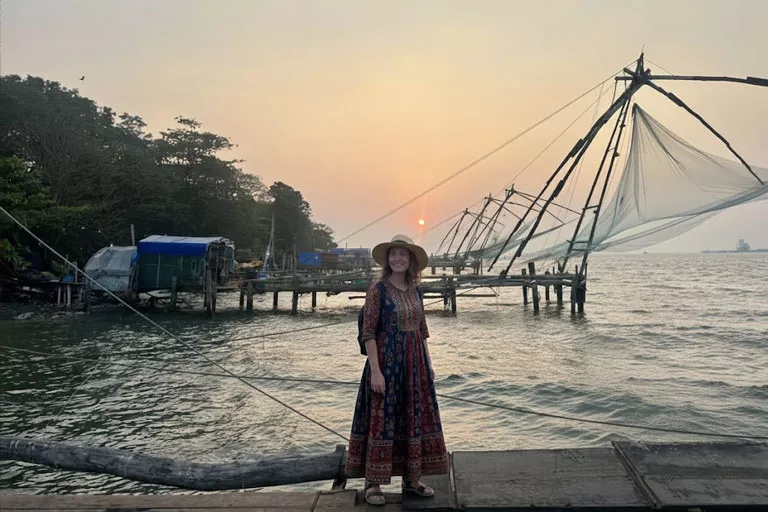
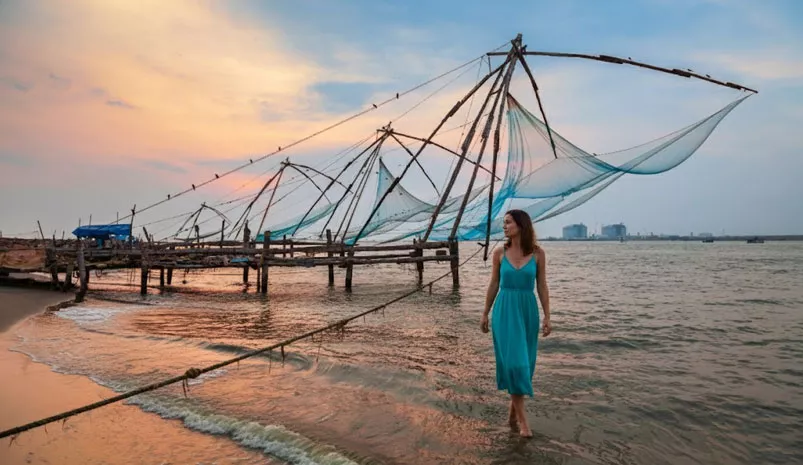
Kochi is a practical starting point for many Kerala routes, with historic neighbourhoods, museums, waterfront areas, cafés and a wide range of accommodation. Fort Kochi is popular for walking and heritage visits. You can explore at your own pace or join a guided walk to learn more about the area’s layered history.
Choose accommodation with recent reviews, clear check-in information and a convenient route from the airport or railway station. If you arrive late, arrange a transfer through the hotel or a provider you can verify. During the day, keep an eye on traffic while walking and be mindful of your belongings in crowded visitor areas.
2. Munnar, Kerala
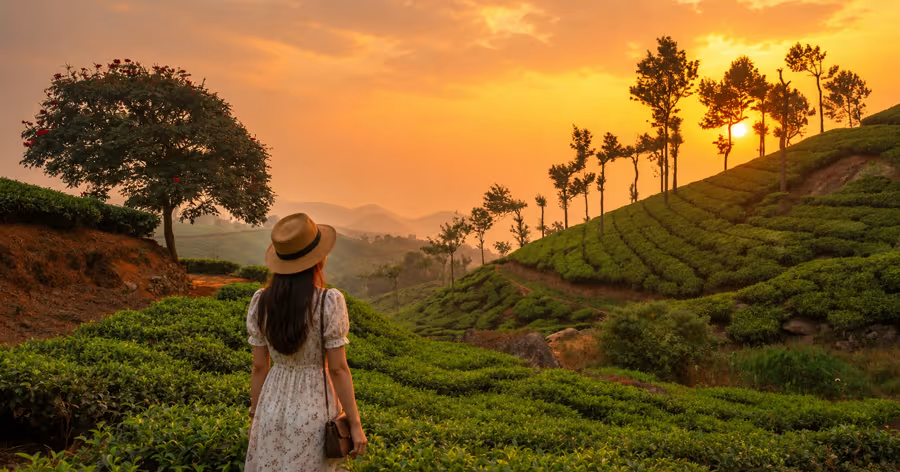
Munnar is known for tea landscapes, cooler air, waterfalls and hill viewpoints. It suits travellers who enjoy scenery and slower days. The town and viewpoints are spread across winding roads, so decide how you will get around before booking a remote homestay or plantation stay.
Ask your accommodation about its exact location, pickup options, meal availability and the return journey from sightseeing stops. For walks or treks, use established routes and check weather and access locally. Do not assume mobile coverage, food service or transport will be available at every isolated viewpoint.
3. Alleppey (Alappuzha) and the Backwaters
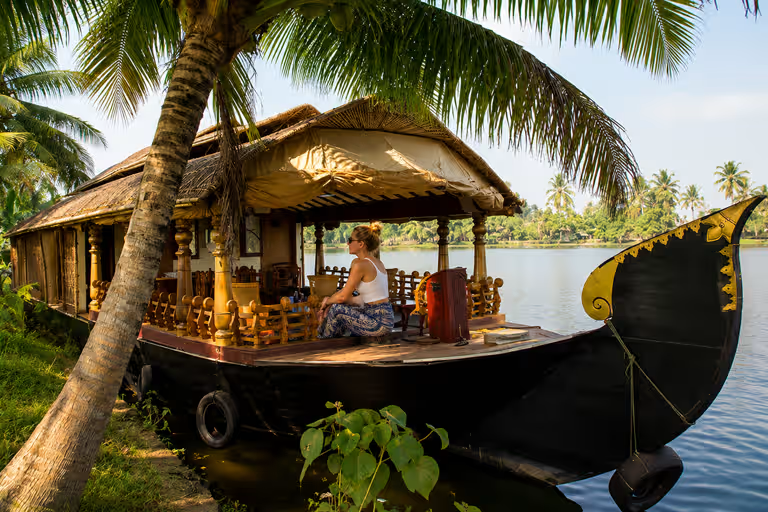
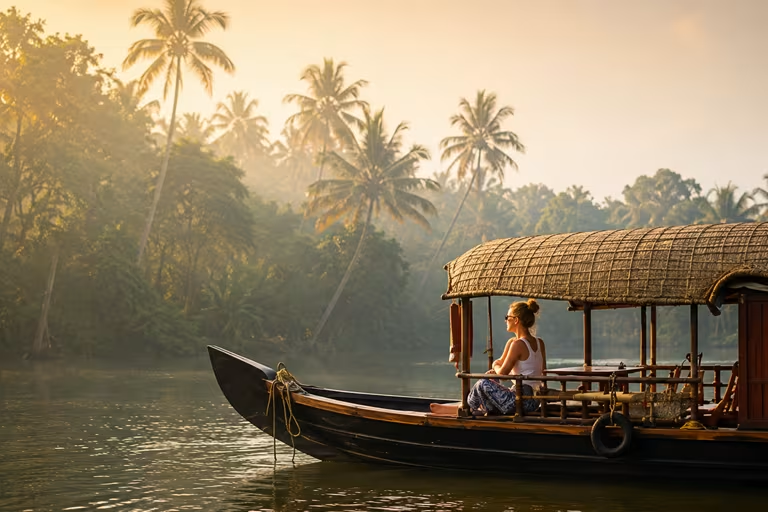
Alappuzha, commonly called Alleppey, is a base for canals, lagoons and backwater experiences. A solo traveller can consider a daytime shared cruise, a well-reviewed homestay or a private houseboat. Each option provides a different balance of privacy, cost and company.
Before booking a boat, confirm the operator, route, departure and return times, sleeping arrangements if overnight, meals, bathroom facilities, air-conditioning and what happens if weather changes the plan. Ask whether the quoted rate is per person or per boat. If an offer is vague or you cannot verify who is operating it, take time to compare another option.
4. Varkala, Kerala
Varkala is known for its cliff-top visitor area, cafés and beach access. It may suit travellers looking for a coastal pause after inland sightseeing. Accommodation close to the main visitor area can reduce the need for unfamiliar late-night rides, but check the precise walk to the property and its recent reviews.
Follow local beach and cliff guidance, and do not swim where conditions or warnings make it unsafe. Avoid isolated stretches when alone, including during daylight if there is no easy way to return or ask for help. Arrange your return from dinner before heading out.
5. Puducherry (Pondicherry)

Puducherry offers heritage streets, cafés, small shops and a coastal promenade. Its walkable central areas can be enjoyable during the day, especially if you choose accommodation near the places you want to visit. Consider a bicycle only if you are comfortable with the local road conditions and traffic.
For visits beyond the central area, use a confirmed taxi or an organised outing. Check whether a beach or viewpoint is busy and accessible before setting off, and keep enough time to return before dark.
6. Mysuru (Mysore), Karnataka
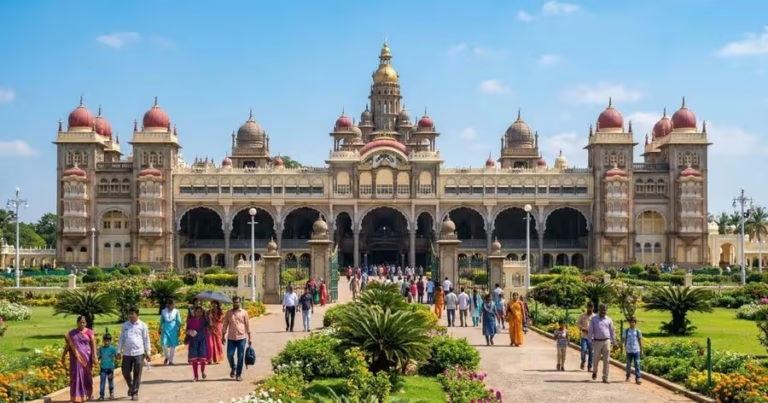
Mysuru is known for its palace, markets, gardens and cultural history. Central attractions can be grouped into a relaxed day, while Chamundi Hill and other sites outside the centre require transport planning. Use a reputable guide or a verified ride provider if you would rather not navigate unfamiliar routes alone.
Busy markets and festival periods can bring crowds. Keep valuables secure, agree a meeting point if you join a group, and check official visitor guidance for access, hours and photography rules at each site.
7. Coorg (Kodagu), Karnataka
Coorg’s coffee country, forested landscapes and plantation stays can provide a quieter break. Many stays are outside the main town, which makes pickup, meals and return travel important booking questions. Check whether a car is available for local sightseeing and whether the property can arrange a reliable transfer for your arrival and departure.
If you want to visit waterfalls or forest areas, check current access, weather and local advice. Avoid walking alone on unfamiliar trails, and do not rely on a remote property having immediate transport if plans change.
8. Hampi, Karnataka
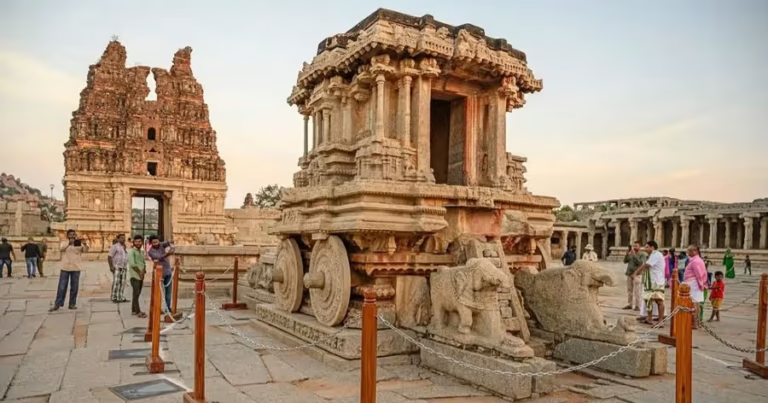
Hampi is a memorable destination for ancient architecture, temple complexes and dramatic rocky scenery. The ruins cover a broad area and may involve uneven paths, steps and long periods outdoors. Start early, carry water, wear stable footwear and use a guide or confirmed local transport if that helps you navigate.
Confirm where you are staying and how you will reach the sites on both sides of the river or across the wider area. Check the current ferry or road arrangements locally rather than relying on old itineraries. Plan to finish exposed-site visits with enough daylight for the return journey.
9. Ooty and Coonoor, Tamil Nadu
Ooty and Coonoor offer cooler hill-station weather, tea scenery and gardens. The region can be a comfortable change of pace, but hill roads and attractions are dispersed. Book a central stay or arrange transport before choosing a property far from town. Check weather conditions, road travel times and any train or local service schedules on your actual date.
10. Madurai, Tamil Nadu
Madurai is a strong choice for travellers interested in temple architecture, local food and city life. The Meenakshi Amman Temple is a major cultural site. Check current entry rules, restricted items, photography policies and visitor timings from official or local sources before your visit. Dress in a way that follows the site’s rules and be prepared for crowds around ceremonies and festivals.
Best Time to Travel in South India
South India’s climate varies by coast, elevation and state, so there is no single best month for every route. October to March is often convenient for many city and heritage trips, but it is also a busy period for popular destinations. Winter holiday dates and local festivals can raise hotel demand; book earlier if you have fixed dates.
Hill regions may be cooler than coastal cities, while the heat and humidity can be significant in some places during warmer months. The southwest monsoon affects Kerala and parts of Karnataka, and rainfall can disrupt outdoor plans and road travel. In Tamil Nadu, seasonal rain patterns differ by coast and month. Check a current forecast and local alerts for your specific destinations.
For a solo traveller, season planning is also about daylight and transport. A scenic route that is manageable on a clear afternoon may be more difficult after heavy rain or in poor visibility. Build in a flexible day and avoid scheduling tight same-day connections after a long road journey.
How to Plan a Solo Itinerary That Feels Manageable
Choose a Focused Route
Trying to see Kerala, Karnataka and Tamil Nadu in a short trip can mean repeated long transfers and rushed sightseeing. Pick one state or a compact corridor, then add a second area only if the travel time makes sense. Fewer hotel changes mean fewer late arrivals, fewer luggage transfers and more time to understand each destination.
Plan Arrival and Departure Days Separately
Do not treat a flight or train arrival day as a full sightseeing day. Allow time for delays, baggage, check-in and food. Book your first night in advance and know how you will reach the property. On departure day, leave a realistic buffer between a road transfer and an onward flight or train.
Balance Independent and Organised Activities
You can walk around a familiar central district independently and book a guide for a complex heritage site or remote outing. A group tour can also provide company without requiring you to give up the rest of your trip’s independence.
Use Daylight for Unfamiliar Transfers
Where possible, arrive in a new destination during daylight. This gives you time to find the hotel, confirm the next journey and get oriented before evening. If your schedule requires a late arrival, arrange a direct pickup with a verified provider and share the vehicle details with someone you trust.
Sample 10-Day Kerala Route for a Solo Woman
This route keeps the trip within Kerala and builds in time for travel. Adjust it to your arrival airport, comfort level and current road or weather conditions.
- Days 1–2: Kochi. Stay in a well-reviewed area, explore Fort Kochi and take a guided heritage walk if you want company and context.
- Days 3–4: Munnar. Arrange a confirmed road transfer and choose sightseeing based on weather, road access and how far you want to travel each day.
- Days 5–6: Thekkady or a slower hill stay. If including Thekkady, check the current activity schedule and book through an established operator. Alternatively, add another night in Munnar to reduce transfers.
- Days 7–8: Alappuzha backwaters. Choose a daytime cruise or a verified overnight boat after confirming all inclusions and arrangements.
- Day 9: Varkala or another coastal stop. Travel in daylight if possible and confirm the last-mile transfer to your stay.
- Day 10: Departure. Keep enough time to reach the airport or station, and avoid a tight connection after a long road journey.
If you prefer fewer transfers, remove one stop and spend an extra night in Kochi, Munnar or Varkala. A slower itinerary can feel more rewarding and often costs less in repeated transfers. For a broader route structure, see the first-time South India itinerary.
South India Solo Travel Budget in 2026
Costs vary by state, season, room type and how much private transport you use. Recent 2026 travel-cost estimates for India show a wide spread between hostel-and-local-food travel, mid-range stays and trips using private cars. Use the figures below as broad planning bands, not as quoted prices. They are per person per day, and assume international flights, visa, insurance and major intercity travel are budgeted separately.
| Travel style | Indicative daily spend | Typical approach | Budget note for a solo traveller |
|---|---|---|---|
| Budget | ₹1,800–₹4,000 | Hostel or simple guesthouse, local meals, public transport and selective paid sights | A private room instead of a dorm can raise the lodging share. |
| Mid-range | ₹4,500–₹11,000 | Comfortable private room, a mix of cafés and local restaurants, app cabs and guided activities | Room cost is paid by one person; sharing a room lowers per-person cost for couples. |
| Private-car comfort | ₹10,000–₹20,000+ | Comfortable accommodation and a private car on selected or multi-city days | A solo traveller pays a larger share of the vehicle than a couple or family. |
| Luxury | ₹20,000–₹50,000+ | Premium resorts, heritage properties, private touring and fine dining | High-end rooms and bespoke experiences can exceed this range. |
These ranges are not a guarantee of what a particular city or date will cost. Kerala resorts, remote plantation stays, houseboats, peak-season beach hotels and private vehicles can increase spending. Compare live room totals after tax, ask whether a boat fare is per person or per booking, and confirm what is included in a car quote. A recent general India cost guide places budget and mid-range trip spending across broad ranges; the actual South India route may sit higher or lower depending on these choices.
Costs to Include in Your Daily Plan
- Room rate, taxes and meals not included in the booking.
- Local rides, station and airport transfers, parking or luggage transfers.
- Long-distance trains, buses or flights between destinations.
- Entry tickets, boat trips, guides, classes and other activities.
- Mobile data, laundry, water and snacks.
- Travel insurance, visa and international airfare as separate pre-trip costs.
- A flexible reserve for safer transport, delays or a change of accommodation.
For a longer calculation, use the India trip cost guide for 2026. Keep a separate line for intercity transfers rather than assuming they are covered by a per-day budget.
Choosing Accommodation as a Solo Traveller
Location and reliable communication can matter as much as the room price. Read recent reviews, including feedback from solo women, and look for specific details about staff, check-in, entrance security, noise, lighting and transport. A convenient property may cost more than a remote one but save you from repeated rides and late returns.
Confirm the Arrival Details
Ask for the exact address, pickup point, check-in window and contact number. If the property is outside town, confirm the transfer before paying. Do not assume a homestay or resort can arrange a car at short notice.
Check the Room and Entrance Security
At check-in, confirm the room lock works and understand how to contact reception or the host. Keep your room number private and use the door lock as intended. If something about the room or entrance concerns you, request a change or choose another property.
Understand the Surroundings
Look at the route from the property to food, transport and the places you plan to visit. Ask the host what the area is like after dark and how guests usually return from dinner. These questions help you make an informed choice without assuming a neighbourhood is safe simply because it is popular online.
Transport Tips for Women Travelling Alone
Airport and Railway Station Pickups
Use a hotel transfer, official prepaid service or a reputable app. Verify the driver and vehicle before getting in, and share the ride details with someone you trust. If the details do not match your booking, wait in a staffed public area and contact the provider.
App-Based Rides
Where app-based services operate, check the number plate and driver profile before entering, use the trip-sharing feature and avoid switching to an unrecorded private arrangement. If the driver asks you to cancel the app trip and pay directly, you can decline and report the issue through the platform.
Trains and Buses
Book from official or reputable channels and check the exact station and boarding point. Keep your phone, wallet and passport secure, and be alert in crowded stations. On an overnight journey, choose the class and berth arrangement that suits your comfort; do not accept food or drinks from people you do not know. Keep your luggage secured and within view.
Private Car and Driver
A private car can be useful for hill stations, rural areas, multiple hotel changes or journeys with luggage. Before confirming, get the provider’s company details, driver contact, vehicle information, route, payment terms and written inclusions. Confirm fuel, tolls, parking, driver allowance, operating hours, waiting time, overnight arrangements and the emergency contact process. A clear booking is more useful than a vague promise of “full support.”
Walking, Bicycles and Local Transport
Walk in busy, well-lit areas and keep aware of traffic, which may not follow the patterns you expect. Use bicycles only where you feel comfortable with local road conditions. For an unfamiliar or remote location, arrange a return ride in advance rather than assuming you will find transport when you are ready to leave.
Personal Safety, Boundaries and Digital Privacy
- Keep your plans private: Share your detailed itinerary with a trusted person, but do not give strangers your hotel, room number or full onward route.
- Use a check-in routine: Agree with a friend or family member when you will message after a long transfer or arrival.
- Keep your phone ready: Carry a power bank, save offline maps and store important contacts in a place you can reach without data.
- Trust discomfort: You can end a conversation, leave a ride or change a booking without debating your reason.
- Use public meeting places: If meeting someone new, choose a busy public venue and arrange your own way back.
- Watch your drink and belongings: Do not leave a drink unattended or accept food and drinks from strangers when you are unsure.
- Keep backup funds separate: Carry a small amount of emergency cash and store a backup card separately from your main wallet.
- Be careful with live posts: Share photographs after leaving a location rather than publishing your live hotel or route.
These are practical precautions, not a guarantee. If you feel in immediate danger, move toward a staffed, busy place and call emergency services or someone you trust.
Clothing and Local Etiquette
South India is diverse, and expectations differ between a beach, resort, city, village, temple and religious ceremony. Wear what is comfortable for the weather, and check the dress requirements for a specific place of worship before visiting. A light scarf can be useful for sun protection or covering shoulders when a venue requests it.
Clothing cannot prevent harassment and responsibility for inappropriate behaviour rests with the person behaving badly. You do not need to dress in a particular way to deserve respect. Following site rules and local etiquette can make visits smoother, but make choices that feel comfortable and practical for you.
At temples and heritage sites, follow signs and staff instructions about footwear, restricted areas and photography. Ask before taking close photographs of people or ceremonies. Use a guide if you want help understanding local customs.
Food, Health and Wellbeing
Choose food and health precautions in line with your own needs. Eat at places that appear clean and are busy enough to have fresh turnover. If you have allergies or dietary restrictions, explain them clearly and carry a written note if a language barrier may arise. Drink water from a sealed bottle or a trusted filtration source and keep hydrated in hot weather.
Carry prescription medicine in its original packaging, along with any personal essentials you rely on. Consider travel insurance that matches your activities and destinations; read the exclusions and emergency support terms. Remote regions may have fewer nearby medical facilities, so check how you would reach help from a remote resort or trekking area.
Plan rest into your trip. Heat, long transfers and changing beds can be tiring, and it is fine to skip a sightseeing stop. A slower itinerary can support both comfort and safety.
What to Pack for a Solo South India Trip
- Comfortable walking shoes with good grip.
- Light, breathable clothes and one modest layer for religious sites where required.
- Rain protection during wet-season travel and a light layer for hill stations.
- Power bank, charging cables and a universal adapter suitable for your devices.
- Secure day bag, small luggage lock and a crossbody pouch for crowded areas.
- Copies of passport, visa, insurance and key bookings, stored offline as well as online.
- Prescription medicines, basic first aid and any personal health supplies.
- Reusable bottle, sun protection and insect repellent appropriate to your route.
- Emergency cash and a backup bank card kept separately.
- Offline maps and contact details for your stays, transport providers and emergency support.
Pack for your route, not for every possible scenario. If you plan remote walks, wildlife activities or water sports, check the operator’s equipment and safety arrangements before departure.
What to Do if You Feel Unsafe or Need Help
India’s national emergency number is 112. The Ministry of Women and Child Development lists the national Women Helpline as 181, a toll-free service that connects women seeking support or information with emergency response and other services. Availability and response can vary by situation, so use 112 for an immediate emergency and follow local guidance. Save these numbers before you travel, and also save the contact for your accommodation, tour provider and your country’s embassy or consulate.
Official information: India Emergency Response Support System and the Women Helpline 181.
If you need help, move to a hotel reception, staffed shop, hospital or police station if you can do so safely. Contact a trusted person and your travel insurer or tour operator. If you experience a crime, your choices about reporting are yours; a consulate may be able to explain local support options for its citizens. Keep copies of important documents and ask for an interpreter or translation if you do not understand a document before signing it.
Ways to Meet People Without Giving Up Independence
Solo travel can include company when you want it. Choose a group heritage walk, cooking class, nature activity or day tour with a clear operator and meeting point. Stay in a well-reviewed social property if that suits you, but keep control of your room, transport and return plans.
When meeting other travellers, meet in public places, tell someone where you are going and avoid sharing your accommodation details too early. You can enjoy a group activity and still choose to spend the next day on your own.
Common Mistakes to Avoid
Trying to Cover Too Many States
Long transfers can exhaust you and leave you arriving after dark. Keep the route focused and allow recovery time after major journeys.
Choosing a Remote Stay Without Checking Access
Ask how you will reach the property, where you can eat and what transport is available if your plans change.
Assuming a Tour Listing Includes Everything
Check the actual inclusions, vehicle and guide details, payment method, cancellation policy and local conditions in writing.
Sharing Too Much Personal Information
It is fine to be friendly without sharing your hotel name, room number, full itinerary or whether you are travelling alone.
Depending on One Phone or One Payment Method
Keep an offline copy of essential details, emergency cash and a backup way to pay. A dead phone or declined card should not leave you without a next step.
Ignoring Your Instincts to Avoid Being Rude
You are allowed to stop a conversation, change seats, leave a venue or request another driver. Your comfort is enough reason.
Frequently Asked Questions
Can a woman travel alone in South India?
Women do travel independently in South India, but no route can be described as risk-free. Check current official travel advice, plan transfers and accommodation carefully, stay aware of local conditions and make choices that fit your comfort level.
Which South India destinations are good for a first solo trip?
Kochi, Mysuru, Puducherry and established visitor areas in Kerala can be practical starting points because they have a range of accommodation and organised activities. Your best choice depends on the specific property, transport, season and interests.
Is Kerala suitable for solo female travel?
Kerala has a broad tourism network and offers cities, hills, backwaters and beaches. Plan each transfer and activity individually, especially for remote stays, boat trips and late arrivals.
How much should I budget per day?
As a broad 2026 planning range, allow around ₹1,800–₹4,000 for budget travel, ₹4,500–₹11,000 for mid-range travel, and ₹10,000–₹20,000 or more for a comfort trip using private transport on selected days. Your room choice, destination and solo vehicle costs can change the total substantially. International flights, visa and insurance are separate.
What is the emergency number in India?
Dial 112 for a national emergency. The Ministry of Women and Child Development lists 181 as the Women Helpline. Save both numbers and the local contacts for your accommodation and transport provider.
Should I use a private driver when travelling alone?
A private driver can be useful for long transfers, hill areas, rural locations and days with multiple stops. Verify the provider and driver, request the route and inclusions in writing, and share the vehicle details with someone you trust.
Is it safe to travel by train alone as a woman?
Many women travel by train, but use normal precautions: book through reputable channels, keep valuables secure, confirm your station and coach, and have a plan for reaching your accommodation. Choose the class and timing that feel appropriate for you.
What should I wear in South India?
Wear comfortable clothing suited to the weather and the activity. Check the rules for temples and religious sites. A scarf or light layer can be useful, but clothing does not determine whether someone deserves respectful treatment.
How many days do I need for South India?
Ten days can cover one focused route such as parts of Kerala or Karnataka. A broader trip across several states needs more time because travel distances are significant. Build a route around fewer stops rather than trying to see the whole region quickly.
How can I avoid feeling lonely while travelling solo?
Join a walking tour, cooking class, guided visit or group activity when you want company. Stay in a social but well-reviewed property if that suits you, while keeping your accommodation and return transport decisions under your control.
Plan a South India Trip at Your Own Pace
Travelling solo in South India can be deeply rewarding when your plan leaves room for both independence and support. Choose destinations that genuinely interest you, book the first arrival details, verify longer transfers and give each place enough time. Use guides and private transport where they solve a real problem, and keep other days open for your own discoveries.
Start with the 10-day South India itinerary, compare expected expenses in the India 2026 budget guide, and contact the team if you want help planning a route with private transport.
PLAN SOUTH INDIA YOUR WAY
Build a Route That Fits Your Comfort and Interests
Share your dates, destinations and travel preferences to discuss an itinerary with clear transport details and practical arrival planning.
Ranjit Singh
India Travel Expert
Ranjit Singh helps international travellers plan private car tours, South India journeys and customised India itineraries with practical local guidance.
Travel conditions, attraction rules, transport operations and emergency services may vary by location and change over time. Check official travel advisories and local information before departure. Budget figures are approximate and should be confirmed against current rates and your personal travel needs.