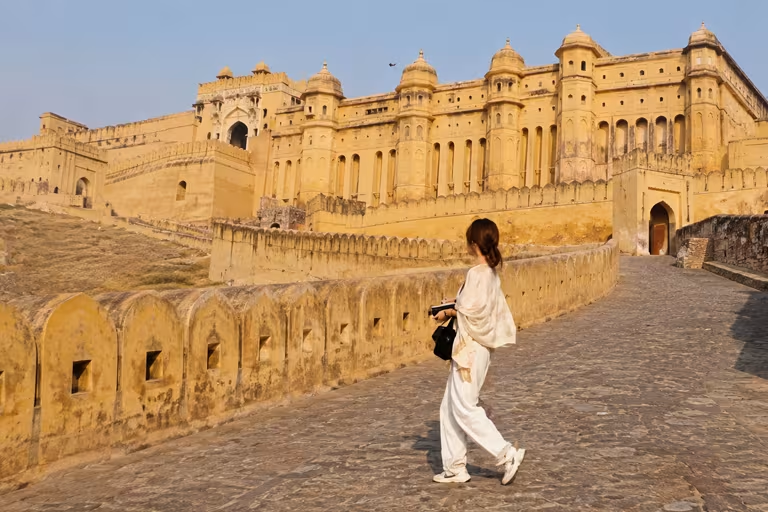
RAJASTHAN SOLO TRAVEL GUIDE · UPDATED OCTOBER 2026
Female Solo Travel in Rajasthan: Safety, Budget & Practical Tips for 2026
Rajasthan can be a rewarding destination for women travelling alone, with historic cities, established visitor routes and a wide choice of transport and accommodation. A comfortable solo trip starts with a manageable itinerary, a confirmed first-night stay, reliable arrival transport and realistic transfer days. This guide explains how to plan those details, choose between trains and a private car, estimate a 2026 budget, and use practical safety habits without assuming that every traveller or city experience is the same.
Quick answer: For a first solo Rajasthan trip, begin in Jaipur, choose two or three additional cities, and avoid long late-night transfers. Confirm hotels and arrival rides in advance, keep emergency contacts offline, share your route with someone you trust, and check current local advice. India’s emergency response number is 112; Rajasthan Police also lists the Garima helpline at 1090 and the women’s helpline at 181. Save the official contacts before travel and confirm current service details.
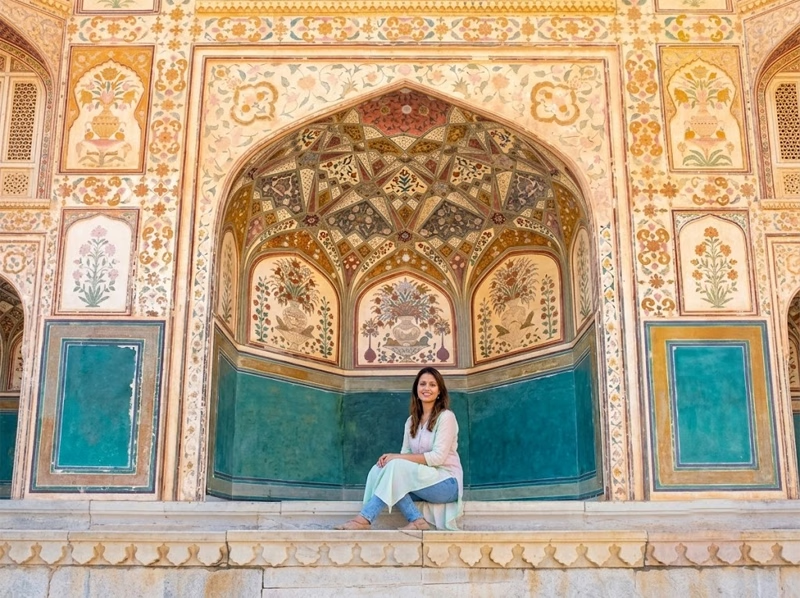
Travelling alone does not mean you need to manage every detail without support. You can explore independently during the day, hire a licensed guide for a fort, use a hotel-arranged ride for an evening return, join a small-group food walk, or book a private car for a long intercity transfer. Choose each service for the specific leg where it helps.
For local sightseeing, compare the Day Trips collection. For a route across Rajasthan, browse Rajasthan Tours. If you want to include Delhi and Agra, see the Golden Triangle tours; for a shorter break, check Short Escapes.
Is Rajasthan a Good Destination for Solo Female Travellers?
It can be. Jaipur, Udaipur, Jodhpur, Pushkar and Jaisalmer receive many visitors and offer hotels, restaurants, local transport and guided activities. That does not mean every area, time of day or service will feel the same to every woman. Your experience depends on the route, season, accommodation, transport choices and personal comfort level.
Start by choosing a route that fits your travel experience. If it is your first visit to India, begin with a city where you have several hotel and transport options, such as Jaipur, and avoid arriving late at night without a confirmed pickup. You can then add Udaipur or Jodhpur before deciding whether the longer desert journey to Jaisalmer suits your schedule.
Independent travel can still include organised support. A licensed guide may be useful at a large fort or in an unfamiliar market. A small-group class can be a relaxed way to meet other travellers. A hotel-arranged car may make an evening transfer easier. You remain in control of which options you use and when.
Use the same ordinary precautions you would use in any unfamiliar destination: verify bookings, keep an eye on belongings, confirm fares and pickup details, and let someone know when you expect to arrive. Avoid judging safety by a destination’s reputation alone. Check current official travel advice and ask your accommodation about the specific route and local conditions.
How Many Days Should You Plan?
Rajasthan is a large state, and road transfers can take a substantial part of the day. A trip that changes cities every morning may look efficient on a map but feel tiring in practice. Choose a few places, stay more than one night where you can, and leave time for meals, check-ins, rest and delays.
- Five to seven days: Focus on Jaipur and one or two additional destinations. Jaipur with Udaipur allows a slower pace; Jaipur, Jodhpur and Udaipur has more transfers and requires a tighter plan.
- About ten days: Consider Jaipur, Pushkar, Jodhpur and Udaipur. Add Jaisalmer only if the desert is a priority and you can allow time for the longer journey.
- Two weeks: Travel at a more measured pace and consider adding Jaisalmer, Bikaner, Mount Abu or a wildlife stop according to your interests, current access and the time available.
Keep your first day light after a flight or overnight train. Place the longest transfer after a restful night where possible. Avoid scheduling a fixed-time activity immediately after a road journey whose arrival time may change.
A Flexible 10-Day Rajasthan Route for Solo Travellers
- Days 1–3 · Jaipur: Settle in, visit Amber Fort, City Palace and Jantar Mantar, see Hawa Mahal from a well-established viewpoint, and leave time for a market or local food experience.
- Day 4 · Pushkar: Travel during the day, check in and explore the central area at a relaxed pace. Observe local customs around temples and the lake.
- Days 5–6 · Jodhpur: Visit Mehrangarh Fort and explore the old city. Wear shoes with a good grip and take breaks on stairs and uneven lanes.
- Days 7–8 · Udaipur: Allow time for City Palace, a lake outing if boats are operating, galleries and an unhurried evening meal.
- Days 9–10 · Return or extend: Keep time for your departure transfer, add a rest day, or continue to Jaisalmer only if your full trip is longer and the extra travel makes sense.
This is a planning framework, not a promise about drive times or attraction schedules. Verify opening days, transport, road conditions and booking requirements close to your travel dates. For shorter sightseeing options, browse day trips; for multi-city routes, compare the Rajasthan tour collection.
Jaipur: A Practical Place to Begin
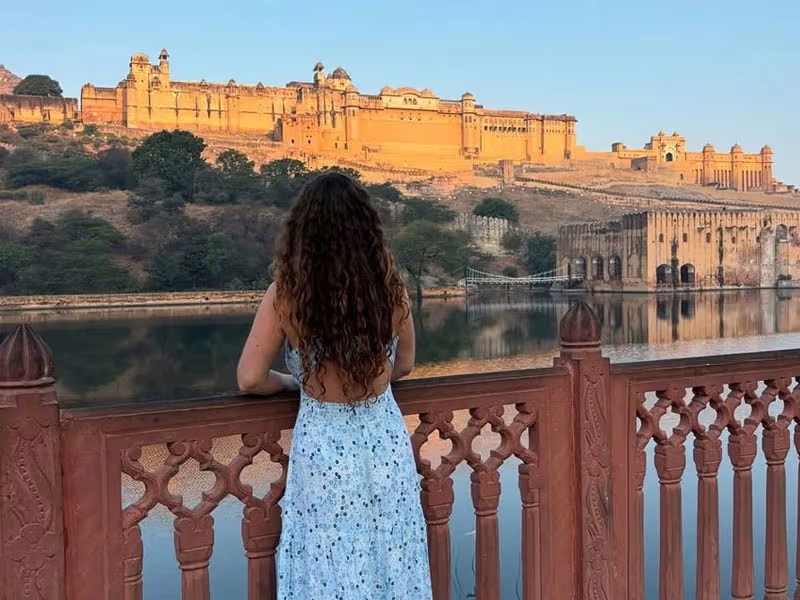
Jaipur is often a useful starting city because it offers many accommodation, dining, guide and sightseeing choices. Before arrival, save your hotel’s exact address and phone number, confirm check-in time and decide how you will get from the airport or station. If you arrive late or feel tired, a pre-arranged pickup can simplify the first leg.
Start outdoor sightseeing early when practical. Amber Fort involves walking and steps, so wear comfortable shoes and carry water. At City Palace and Jantar Mantar, check current visitor details before setting out. Hawa Mahal is a popular photo stop; use a safe, established viewpoint rather than stepping into traffic for a picture.
Jaipur’s markets are busy. Compare prices, ask for a receipt for expensive purchases and feel free to decline a shop visit. If a driver or guide suggests a showroom, ask whether the stop is optional and whether it changes the route or price.
For a flexible day built around Jaipur’s main sights, see Jaipur and Rajasthan day trips. For a longer route combining Jaipur with Agra and Delhi, browse the Golden Triangle tour collection.
Udaipur: Lakeside Days and a Slower Rhythm
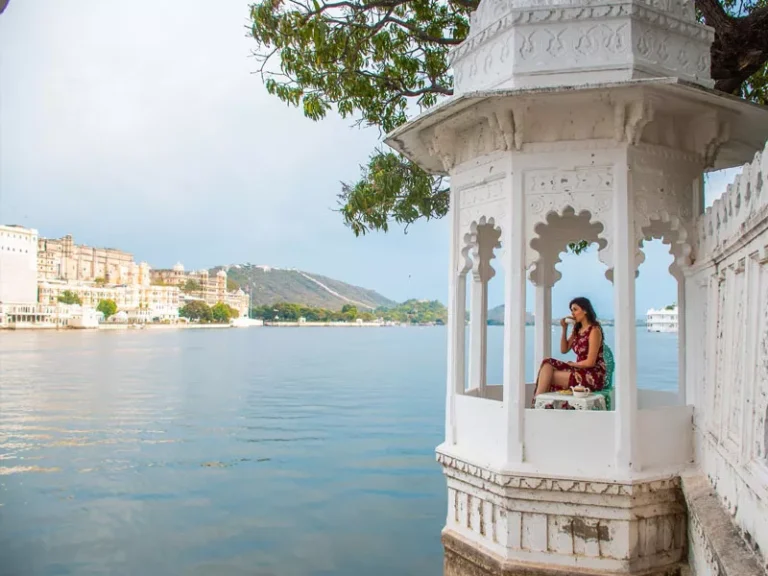
Udaipur suits travellers who want a mix of palaces, lakeside views and time to pause. A stay near the old city or a well-connected neighbourhood can make restaurants and major sights easier to reach. Check recent property reviews, reception arrangements, access routes and room facilities before booking.
City Palace can take longer than expected if you enjoy museums and viewpoints. Lake Pichola boat operations and schedules can vary, so confirm locally. For an evening meal, choose a reviewed restaurant and plan your return ride in advance. If you are walking through unfamiliar lanes, keep your route available on your phone and choose busier streets after dark.
For a short, focused visit, browse day trips and local sightseeing options. If Udaipur is one stop in a multi-city holiday, see Rajasthan tours for broader route ideas.
Jodhpur: Mehrangarh Fort and the Blue City
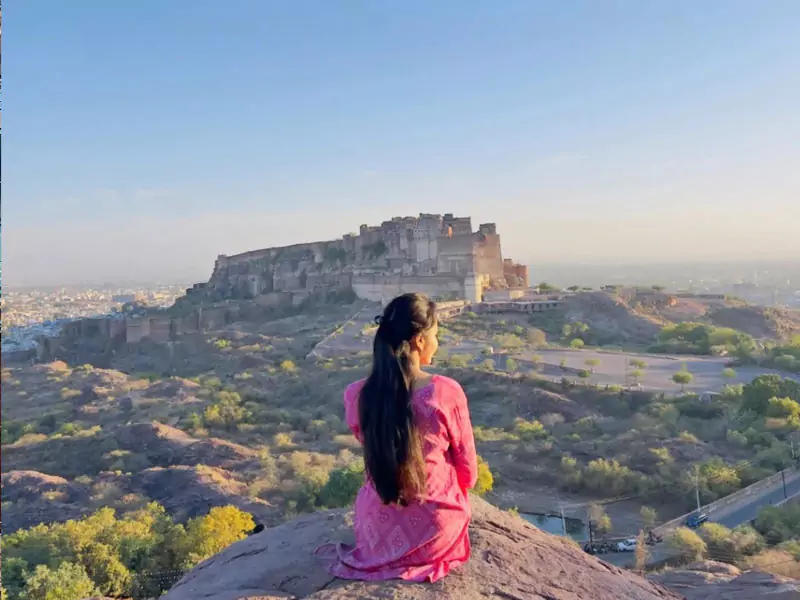
Jodhpur’s fort dominates the skyline, while the old city below is known for narrow lanes and blue-painted homes. The fort visit can involve steps, slopes and uneven surfaces; comfortable shoes and a realistic schedule help. Start earlier or later according to the season and keep water available.
The Clock Tower area and nearby markets can be crowded. Keep your bag secure and be attentive while taking photographs. If you choose a guide, agree on the route, duration and price beforehand. For an itinerary linking Jodhpur with other Rajasthan destinations, explore Rajasthan tours; for a shorter break, check short escapes.
Jaisalmer: The Fort and the Desert
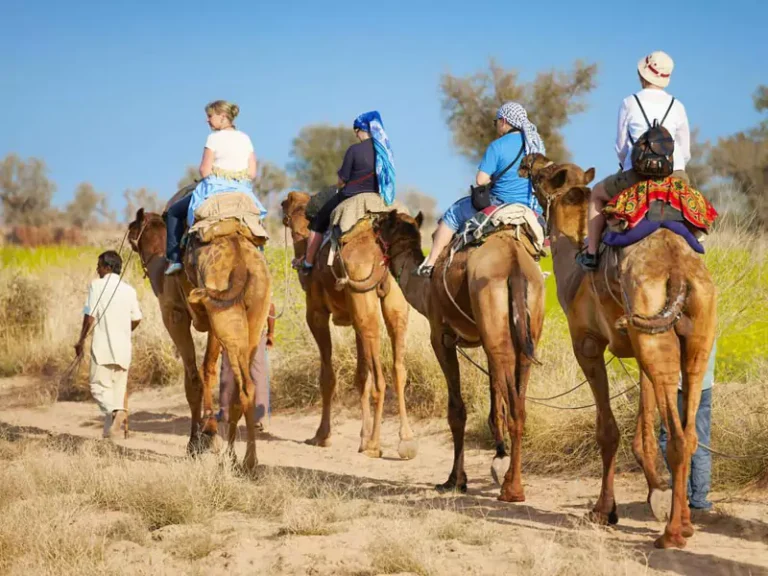
Jaisalmer offers sandstone architecture, historic havelis and access to desert experiences. If you book an overnight camp, confirm its exact location, room or tent type, bathroom facilities, meals, pickup and return arrangements, activity schedule and cancellation terms. Ask which services are included and what costs extra.
Keep the operator’s contact details and booking confirmation accessible offline. Avoid relying on unsolicited last-minute offers at a station or bus stop. Desert evenings can be cold in winter, while warmer months require attention to heat and hydration. Check local conditions and pack accordingly. A desert excursion should fit into a realistic itinerary with enough time for the drive in both directions.
For a Rajasthan circuit that includes Jaisalmer, see the Rajasthan tours page. If you have limited time, compare actual travel hours before adding a desert overnight to a short city break.
Pushkar: Temples, Lake and Local Customs
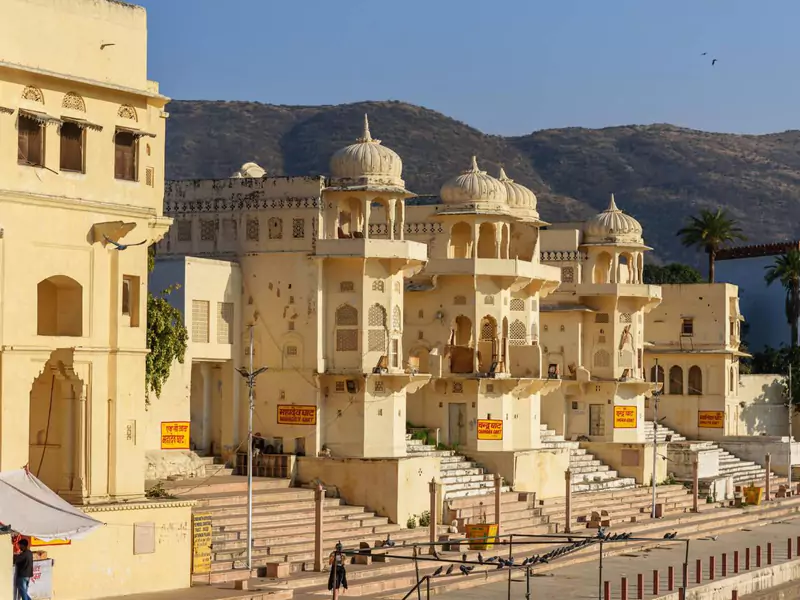
Pushkar is smaller than Jaipur and Jodhpur, and many visitors enjoy its lake, temples, market and cafés. One night may be enough for a brief visit; two nights leave room for a slower day. Stay where you can easily reach the places you plan to visit, and check the return route before heading out.
Religious sites have their own expectations. Follow posted guidance, dress respectfully, ask before photographing people or ceremonies and do not interrupt private worship for a picture. A day trip can work if travel time from your base is reasonable; browse day-trip options. For a multi-city route through Pushkar and other destinations, see Rajasthan tours.
Safety Planning Before You Arrive
Confirm the first night and arrival ride
Book your first night before travelling and check the hotel’s late check-in policy. Save the address, phone number, map pin and pickup instructions offline. If you use an airport or station transfer, confirm the provider, vehicle details and meeting point before departure. Avoid sharing sensitive personal information with an unverified person offering help.
Choose accommodation with practical support
Read recent reviews from solo travellers and check whether reception is staffed when you expect to arrive. Confirm the neighbourhood, lighting around the entrance, room lock, cancellation terms and access to transport. “Women-friendly” labels are not a guarantee; use the specific information that matters to you and contact the property if anything is unclear.
Keep someone informed
Share your basic itinerary and expected arrival times with a trusted person. Agree on a simple check-in plan for long travel days. You do not need to broadcast your live location publicly; use a private method that you trust and that works with your phone and data plan.
Keep essentials secure and accessible
- Carry only the cash and cards you need for the day; store a backup separately.
- Keep your phone charged and carry a power bank on long sightseeing days.
- Store passport and booking copies separately from the original documents.
- Keep the hotel and transport provider’s contact details available offline.
- Use a day bag that closes securely, especially in crowded markets and stations.
Set boundaries with confidence
You can decline unsolicited help, a shopping stop, a photo request or a change to your journey without giving a long explanation. If you feel uncomfortable, move toward a staffed public place such as a hotel, shop or transport desk and contact someone you trust or the relevant service. If there is an immediate emergency, use the official emergency number.
These habits support planning; they do not place responsibility for harassment or crime on the traveller. Safety is affected by the actions of others and by wider conditions. Seek help when you need it and make the choices that feel right for you.
Emergency Numbers and Official Information
India’s Emergency Response Support System uses the pan-India number 112. The Government of India says the 112 service can connect people needing emergency police, fire, rescue or health support; its official site also describes the 112 India app. Save the number before travel and use emergency services for urgent situations. Official ERSS 112 information.
The Ministry of Women and Child Development lists the Women Helpline at 181 for support and information. Rajasthan Police lists 1090 as the Garima helpline and also includes 181 in its contact directory. Service scope, availability and the best number to call can vary, so check the current official pages and save the contacts that apply to your situation.
- Women Helpline 181 · Ministry of Women and Child Development
- Rajasthan Police contact and helpline directory
For non-emergency questions about transport, check-in or a route, start with your hotel or confirmed provider. For urgent danger, contact emergency services directly rather than relying on a social media message or a public comment thread.
Getting Around Rajasthan: Train, Local Ride or Private Car?
Trains and intercity buses
Trains and buses can suit longer journeys when the schedule, station and arrival time work for you. Book through official or verifiable channels, confirm the exact station or boarding point and leave enough time for a transfer. If you arrive late, carry several bags or reach an unfamiliar station, arrange the last-mile ride in advance.
Check whether a train arrives at a station with easy onward transport and whether your hotel can confirm a pickup. Save ticket and booking details offline. At stations, use official signs and counters where possible, and do not feel obliged to follow unsolicited offers for accommodation or transport.
Local taxis and app-based rides
Local taxis and app rides can be convenient inside a city. Check the vehicle and driver information against your booking before getting in, and use a clear fare or booking method. If a hotel arranges a car, confirm the price and destination with the hotel. For crowded bazaars, agree on a pickup point a short walk away from the narrowest lanes.
Private car with driver
A private car can simplify a multi-city route by reducing transfers and allowing planned stops. It may cost more than public transport for one person, so compare the full quote with train or bus options. Before booking, request the vehicle type, route, daily hours, included kilometres, fuel, tolls, parking, taxes, driver allowance, overnight arrangements and cancellation terms in writing. Confirm who to contact if the vehicle or driver changes.
A private driver handles transport; a licensed guide is a separate service unless your quote clearly includes one. Clarify whether monument entry, hotels, meals and sightseeing are included or paid separately. Keep your final itinerary and provider contact details in a message or document you can access offline.
| Transport option | Useful when | Plan for |
|---|---|---|
| Train | You want a scheduled intercity journey and can manage station transfers. | Confirm station, departure time, ticket class, luggage and onward ride. |
| Intercity bus | A coach route and boarding points suit your budget and timing. | Check pickup point, luggage rules, arrival location and hotel transfer. |
| Local taxi or app ride | You need a city transfer or evening return ride. | Verify vehicle and driver details, fare and drop-off location. |
| Private car and driver | You want hotel-to-hotel travel, agreed stops or help with luggage. | Get the route, hours, vehicle, inclusions, extra charges and support contact in writing. |
Rajasthan Solo Travel Budget for 2026
Your total depends on hotel category, dates, transport, city, meals, sightseeing, activities and whether you are travelling alone or sharing costs. A solo traveller pays for the room and private transfers alone, so these can take a larger share of the trip budget. The ranges below are planning estimates, not live quotes or guaranteed prices. They cover a general daily travel style and may not include long-distance private-car hire, flights, shopping, travel insurance, premium guides or special events.
| Travel style | Indicative daily budget | Typical approach |
|---|---|---|
| Budget | ₹2,500–₹4,500 per day | Guesthouse or dorm, local meals, public or shared transport and selected entry fees. |
| Comfort | ₹5,000–₹9,000 per day | Private room in a well-reviewed hotel, a mix of local rides and planned transfers, and a few guides or activities. |
| Premium | ₹12,000 or more per day | Higher-category or heritage accommodation, more private transport and tailored experiences. |
These are broad planning bands for 2026 and will shift with dates, availability and personal choices. Peak winter weeks, festivals and last-minute bookings can increase accommodation and transport costs. Check the current total before reserving. For a Rajasthan route using a private car, current planning estimates published by the tour provider put a 5–7 day car-and-driver circuit at roughly ₹34,000–₹45,000 per car; a 7–10 day route around ₹55,000–₹73,000; and a 10–16 day route around ₹75,000–₹1,20,000 or more. These are route-level estimates, not per-person fares, and inclusions differ. Ask for a dated quote and verify fuel, tolls, parking, state taxes, driver expenses, sightseeing and extra kilometres.
What to include in your daily budget
| Budget area | Include | Ways to plan |
|---|---|---|
| Accommodation | Room, taxes, breakfast, single-room cost and cancellation terms. | Compare the final checkout price and recent reviews; book fixed-date nights early. |
| Intercity travel | Train, bus or car, station transfers, tolls and parking. | Compare total inclusions and avoid unnecessary city changes. |
| Food and water | Meals, drinks, snacks and water for road journeys. | Mix local meals and cafés; set aside more for long transfer days. |
| Sightseeing | Entry, guide, activity and camera charges where applicable. | Choose the experiences you value and confirm current fees. |
| Backup fund | Insurance, medicine, extra night or changed transfer. | Keep emergency funds separate from daily spending money. |
Budget-conscious travellers can choose reviewed guesthouses or women-only dorms where available, use public transport where it fits and select a few paid experiences. Comfort-focused travellers can combine private rooms with trains and pre-booked transfers. Higher-comfort trips may use heritage stays and private vehicles, but written inclusions are essential.
Before paying, compare like with like. One car quote may include fuel and tolls while another excludes them. One hotel rate may include breakfast and taxes while another does not. Ask for a day-by-day itinerary and a written list of inclusions, exclusions, payment dates and cancellation terms.
Accommodation Checks for Women Travelling Alone
- Read recent reviews: Look for comments about reception, location, cleanliness, check-in and transport rather than relying only on a star rating.
- Check the exact location: Confirm the map pin, neighbourhood, road access and how you will return after dinner.
- Confirm arrival arrangements: Ask whether reception is staffed when you arrive and whether late check-in needs advance notice.
- Ask about room security: Check the lock, safe or storage options and whether the room matches the booking category.
- Understand payment and cancellation: Use traceable payment methods and save the booking confirmation and property contact.
- Do not rely on labels alone: A “female-friendly” or “safe” label is not a guarantee. Look at specific recent details that matter to you.
If a property or room does not match the booking or you feel uncomfortable, contact the platform or provider and ask for help moving to a suitable alternative. Keep enough funds available for an independent ride or another night if plans change.
Food, Water and Personal Wellbeing
Rajasthan has a distinctive food culture, including dal baati churma, gatte ki sabzi, ker sangri, kachori, lassi and local sweets. If you are unfamiliar with the spice level, start with a milder meal and ask how it is prepared. Tell restaurant staff about allergies before ordering; carry a written note for serious allergies or dietary needs.
- Choose busy places with freshly prepared food and visible hygiene practices.
- Use sealed drinking water if you are unsure about the local supply.
- Carry water and a light snack during long road journeys.
- Plan outdoor sightseeing for cooler hours in hot weather and take shade breaks.
- Carry personal medicines, basic first aid and prescribed items you may need.
- Take rest days when the route has several consecutive transfers.
Travel insurance should match your trip and personal needs. Read what it covers, how to contact the provider, and what documents you may need if you make a claim. This guide is for general trip planning and is not medical, legal or emergency advice.
What to Wear and Pack
Choose clothing for the season, activity and your comfort. Breathable layers, comfortable walking shoes and a scarf or shawl can be useful across city visits and religious sites. Follow posted footwear and clothing rules at temples and monuments. Winter mornings and desert evenings may feel cold; hot months call for sun protection and light layers.
- Passport or ID, visa documents if applicable, insurance and booking confirmations.
- Phone, charger, power bank and a reliable way to access mobile data.
- Comfortable shoes, breathable outfits, scarf and a warmer evening layer.
- Personal medicines, sunscreen, basic first aid and allergy information.
- Offline copies of hotel addresses, transport bookings and emergency contacts.
- A small day bag and separate secure places for money and payment cards.
Best Time to Visit Rajasthan
October to March is generally comfortable for many outdoor sightseeing plans, though it is also a popular travel period. Book important accommodation and transfers ahead for holiday dates and busy winter weeks. April to June can bring intense heat; plan early starts, hydration and flexible afternoons. July to September brings monsoon conditions that vary by location and can affect outdoor activities and road plans. Check forecasts and local advice close to departure rather than relying on a season label alone.
Festival dates can change each year and create higher demand for hotels and transport. If a fair or festival is central to your trip, confirm current dates through official organisers and reserve accommodation early. Rajasthan Tourism’s seasonal information can help with broad planning, but a local forecast is more useful for deciding what to do on a particular day. Rajasthan Tourism: seasonal travel guidance.
Common Mistakes to Avoid
- Adding too many cities and spending the trip mostly in transit.
- Arriving without a confirmed first-night stay or clear transfer plan.
- Assuming a transport quote includes fuel, tolls, parking and driver charges.
- Booking a desert camp without checking its location, facilities and return time.
- Underestimating heat, walking distance, steps or rest time at forts.
- Accepting pressure to pay immediately for an unverified tour or purchase.
- Keeping all documents, cash and payment cards together.
- Leaving no time to recover after a long journey or a late arrival.
- Relying on an old web page for current fares, helpline details or opening times.
Relevant Rajasthan Tours and Sightseeing Links
These links use the site’s saved tour-category and tour-package paths to help you compare options that match the city or route you are considering. Check each package’s current itinerary, dates, inclusions and price before booking.
- Jaipur: Jaipur, Udaipur and Jodhpur Tour.
- Udaipur: Udaipur Sightseeing Tour and Udaipur–Ranakpur–Jodhpur Tour.
- Jaisalmer: Jaisalmer Sightseeing Tour and Golden Sands of Rajasthan Tour.
- Multi-city Rajasthan: 9-Day Jaipur–Bikaner–Jaisalmer–Jodhpur–Pushkar Tour and Jodhpur–Jaisalmer–Pushkar–Jaipur Tour.
Frequently Asked Questions
Is Rajasthan safe for solo female travellers in 2026?
There is no one answer that guarantees the same experience for everyone. Many women visit Rajasthan independently, but conditions vary by location, timing and service. Choose trusted accommodation and transport, plan arrivals, check local advice and use emergency services if needed.
Which Rajasthan city is best for a first solo trip?
Jaipur is a practical starting point because it has many hotels, restaurants, guides and attractions. Udaipur can suit a slower lakeside stay, while Pushkar offers a smaller-town experience. Pick the city that best fits your arrival and onward route.
Is a private driver worth the cost for one person?
A private driver costs more per person when you travel alone, but can provide direct transfers, planned stops and luggage support between distant cities. Compare the complete quote with train or bus options and use a car only on the legs where it adds value.
How much does solo travel in Rajasthan cost per day?
As a 2026 planning estimate, a budget style may fall around ₹2,500–₹4,500 per day, a comfort style around ₹5,000–₹9,000, and a premium style ₹12,000 or more. These broad ranges can exclude long-distance private-car hire, flights, shopping, insurance and premium experiences. Confirm current prices for your dates.
Can women travel alone in Jaisalmer?
Many women visit Jaisalmer independently. Pre-book your hotel and desert camp, confirm the transfer and facilities, keep the operator’s details available, and avoid accepting last-minute offers from unknown people at a station or bus stop.
What should women wear in Rajasthan?
Wear clothing suited to the weather and your comfort. Breathable, modest layers can be useful in markets and religious places; follow posted rules at temples and monuments. Comfortable shoes are important for forts and uneven lanes.
What is the best time for female solo travel in Rajasthan?
October to March is generally comfortable for sightseeing, while it is also a busy season. Summer can be intensely hot and monsoon conditions vary. Check current weather, event dates and transport before choosing your travel month.
Should I book hotels before reaching Rajasthan?
At minimum, confirm your first night, late check-in and arrival transfer. Booking additional high-demand nights ahead is useful during winter and festivals. Check cancellation terms if you want flexibility.
Which emergency number should I save?
Save India’s emergency response number 112. Rajasthan Police lists 1090 as its Garima helpline and 181 in its contact directory; the Ministry of Women and Child Development lists the national Women Helpline at 181. Check official pages before travel for current service information.
Can I visit Rajasthan using public transport?
Yes. Trains and buses connect many cities, and taxis or app rides can work locally. Check station locations, arrival times, luggage, last-mile transfers and current schedules. A private car can be more convenient for selected routes but is not required for every journey.
How can I meet other travellers safely?
Choose reviewed group walks, cooking classes, workshops or guided excursions with a clear provider, meeting point, finish time and return plan. Keep control of your own transport and tell someone you trust where you are going.
Final Thoughts: Plan for Choice, Comfort and Flexibility
A memorable solo journey through Rajasthan does not depend on seeing the most cities. Choose a route that leaves room to enjoy each place, use services whose details you have checked, and allow time for rest and changes. Jaipur’s forts and markets, Udaipur’s lakefront, Jodhpur’s old city, Pushkar’s temples and Jaisalmer’s desert landscapes each offer a different experience.
Confirm your first-night stay, plan arrivals, compare transport on the complete cost rather than the headline price, and keep emergency contacts available offline. If a route, hotel or activity no longer feels right, change it. The best itinerary is one that fits your dates, budget and own comfort level.
For a one-day plan, compare the Day Trips collection. If you want Delhi, Agra and Jaipur in one journey, start with Golden Triangle Tours. For forts, lakes and desert routes across the state, browse Rajasthan Tours.
START PLANNING
Need help planning your Rajasthan route?
Share your travel dates, starting city, preferred destinations and transport style. Ask for a clear day-by-day itinerary, inclusions and current quote before booking.

Narendra Singh
India Travel Expert
Narendra Singh writes about travel routes, destinations and practical planning for visitors exploring India. His articles help readers compare places, understand journey logistics and prepare useful questions before booking.
Travel details, prices, operating schedules and local conditions can change. Confirm current information with official sources and service providers before travelling. Emergency details: 112 India. Check the relevant government directories and local guidance before departure.