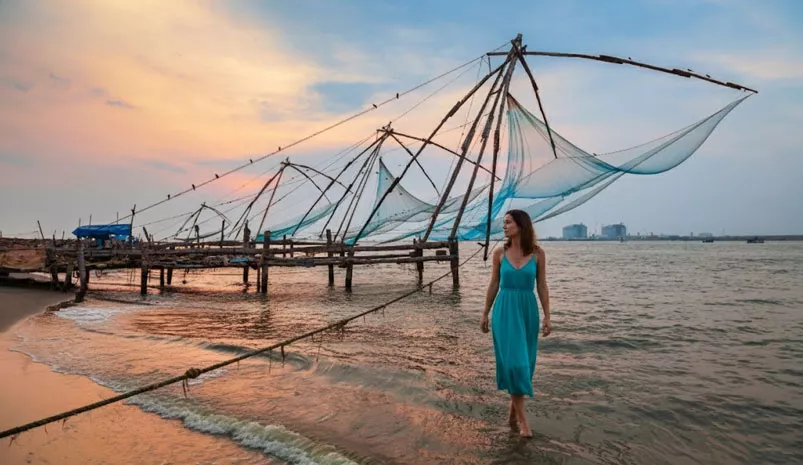
South India can be an incredibly rewarding destination for women traveling alone. From the peaceful backwaters of Kerala and the tea-covered hills of Munnar to the colourful streets of Pondicherry, the palaces of Mysore and the ancient ruins of Hampi, the southern part of India offers a wide range of experiences for independent travelers.
Solo travel in South India is not only about visiting famous places. It is also about learning how to move confidently, choose the right accommodation, understand local customs, manage your budget and make sensible decisions when plans change.
For many women, the biggest concern before traveling alone is safety. South India has many welcoming destinations and well-established tourist routes, but no destination should be treated casually. The safest approach is to stay aware, plan important transfers in advance, avoid unnecessary risks and trust your instincts.
This guide explains how to travel solo in South India as a woman, including the safest travel habits, recommended destinations, realistic budget planning, transport options, accommodation advice, clothing guidance, packing tips and what to do if you feel uncomfortable.
Plan Your South India Trip with Private Driver
Get a safe, comfortable and customized South India itinerary with reliable private transport and practical travel support.
Quick answer: Women can travel solo in South India with careful planning. Choose well-reviewed accommodation, pre-book airport transfers, use trusted transport, avoid isolated areas at night, keep your phone charged, share your itinerary with someone you trust and allow extra budget for safer travel choices.
Is South India Safe for Solo Female Travelers?
South India is visited by solo travelers from many countries, and several destinations have established tourism networks, reliable hotels, local guides and private transport options. Kerala, Karnataka, Tamil Nadu and Goa all offer different experiences, and the level of comfort can vary between cities, villages, beaches and remote areas.
Safety does not mean that every situation is risk-free. Official travel advice for India recommends that women traveling alone use strict security precautions, choose reliable cars and drivers, avoid isolated areas at night, use trusted taxis and share ride information with someone they know.
For a solo woman, practical safety is usually about making good decisions before and during the journey. Staying in a central area, arriving during daylight, choosing a hotel with recent positive reviews and having a confirmed transfer can make the first few hours in a new place much easier.
It is also important to understand that solo travel requires confidence. You do not need to be rude, but you should be comfortable saying no. If a conversation, offer, ride or situation feels uncomfortable, you are allowed to leave without explaining yourself.
What Makes South India Suitable for Solo Travel?
South India offers a wide variety of travel styles. You can choose a slow beach holiday, a structured cultural itinerary, a wellness retreat, a hill-station escape, a wildlife trip or a private road journey.
Kerala is popular for its backwaters, beaches, Ayurveda and hill regions. Karnataka combines cities, palaces, coffee plantations, wildlife and ancient heritage. Tamil Nadu is ideal for travelers interested in temples, architecture, food and coastal culture. Pondicherry provides a slower atmosphere with cafés, heritage streets and a coastal setting.
Another advantage is that you do not have to travel independently every minute. A solo traveler can combine independent sightseeing with private transfers, guided walks, organized activities and trusted local drivers.
This combination often works better than choosing between a completely independent trip and a fully organized group tour. You can keep your freedom while arranging professional support for the parts that may feel more difficult.
Must Read: 10-Day South India Itinerary
Best South India Destinations for Solo Women
1. Kochi, Kerala
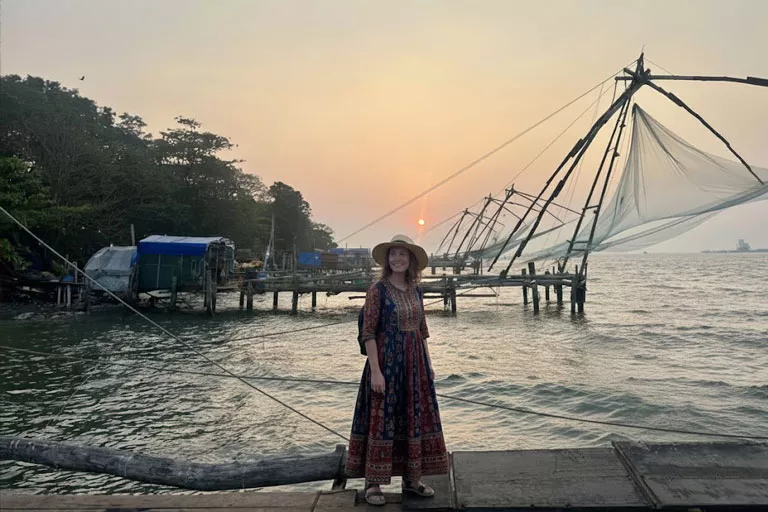
Kochi is a good starting point for a South India trip because it offers history, culture, cafés, galleries, waterfront areas and a strong range of accommodation. Fort Kochi is popular with international visitors and can be explored through walking tours, heritage visits and local food experiences.
Visit the Chinese fishing nets, St. Francis Church, Santa Cruz Basilica, Mattancherry Palace and the spice and antique shops around Jew Town. A guided walking tour can help you understand the city’s Portuguese, Dutch, Arab, Chinese and British influences.
For solo women, stay in a well-reviewed property with a convenient location and reception support. Avoid arriving late at night without a confirmed transfer.
2. Munnar, Kerala
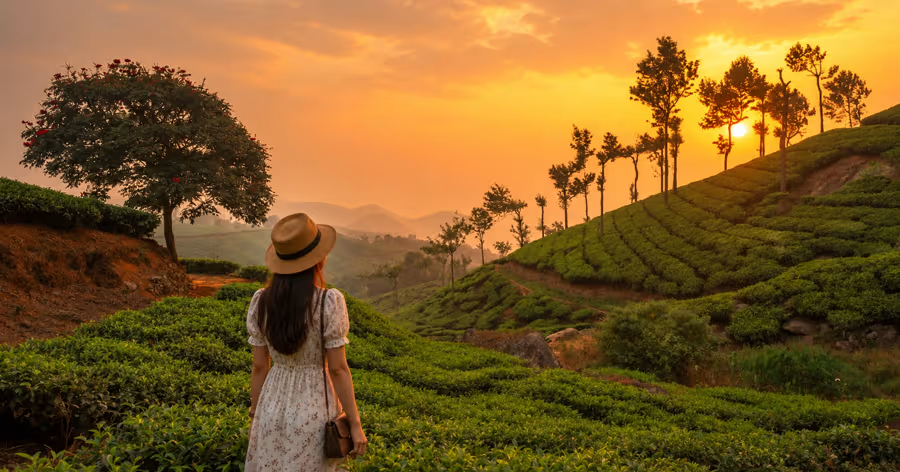
Munnar is a hill destination surrounded by tea plantations, forests, waterfalls and viewpoints. It is suitable for solo travelers who enjoy nature, photography and cooler weather.
Because Munnar includes winding mountain roads, arrange transportation with a trusted driver or tour provider. If you want to explore remote viewpoints, avoid accepting informal rides from strangers.
Choose accommodation that is accessible from the main road and has recent reviews mentioning cleanliness, staff behaviour and transport support.
3. Alleppey and Kerala Backwaters
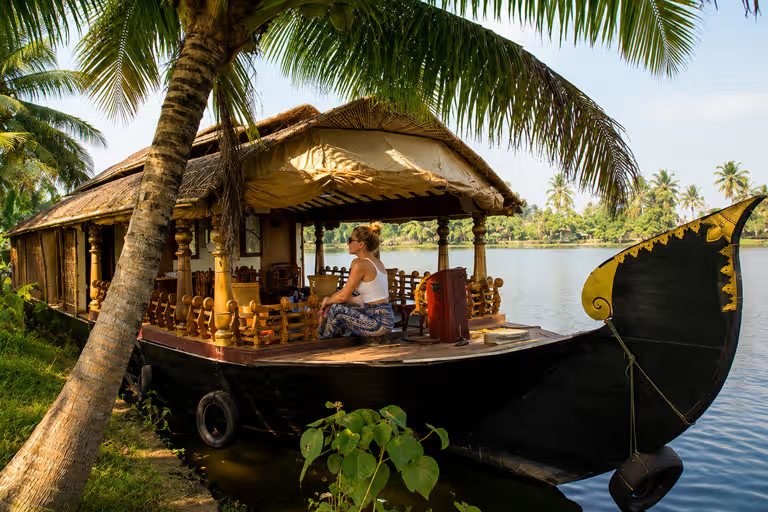
Alleppey, also known as Alappuzha, is famous for its backwaters, canals, paddy fields and houseboat experiences. Solo women can choose a backwater resort, homestay, shared cruise or private houseboat depending on their comfort level.
If you book a houseboat, confirm the route, crew, food, bedroom, bathroom and air-conditioning arrangements. Solo travelers may feel more comfortable choosing a reputable operator or a well-reviewed group cruise rather than booking an unknown boat at the last minute.
4. Varkala, Kerala
Varkala is known for its cliff, beach, cafés, yoga centres and relaxed atmosphere. It is a popular choice for solo travelers who want a slower coastal experience.
Stay near the main cliff area where restaurants, shops and accommodation are within walking distance. Avoid walking alone on deserted parts of the beach after dark.
5. Pondicherry
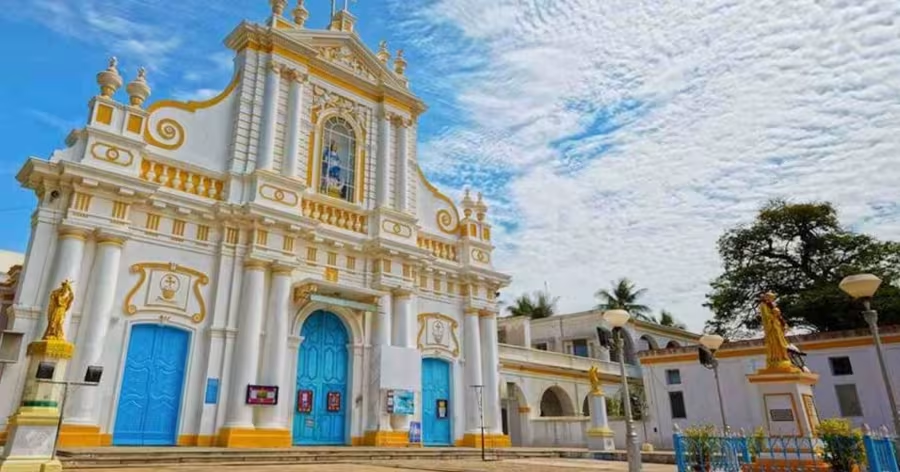
Pondicherry, also called Puducherry, is popular for its French-influenced streets, cafés, colonial architecture, boutiques and coastal promenade. The White Town area is convenient for walking and offers many small hotels and guesthouses.
Solo women can enjoy heritage walks, cafés, bicycle rides and visits to nearby cultural sites. Choose accommodation with good lighting, secure entry and recent solo-traveler reviews.
6. Mysore, Karnataka
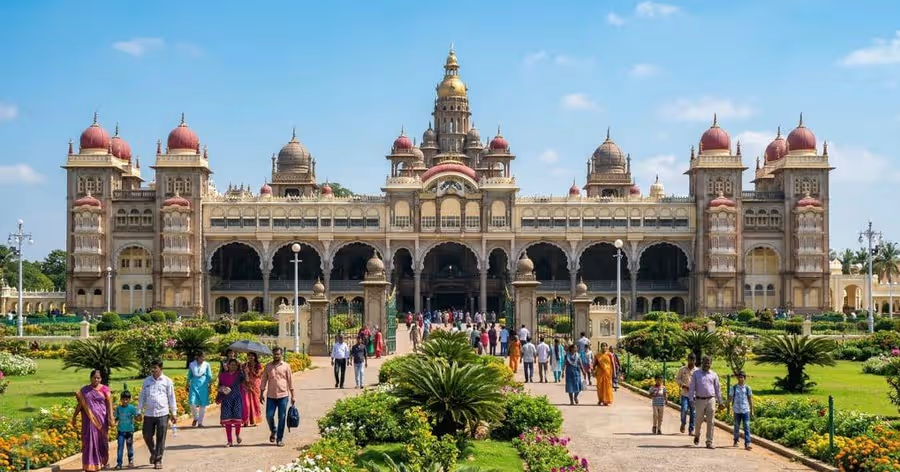
Mysore is known for its palace, markets, gardens, silk products and cultural traditions. It is a good destination for solo women who want to combine history with an easy city stay.
Visit Mysore Palace, Devaraja Market, Chamundi Hill and the city’s museums or gardens. Use a trusted taxi or pre-booked car for Chamundi Hill and other attractions outside the centre.
7. Coorg, Karnataka
Coorg is known for coffee plantations, hills, waterfalls and peaceful stays. It is suitable for solo travelers who prefer nature and a slower pace.
Because many plantation stays are located outside town, confirm pickup arrangements in advance. Avoid booking a remote property without checking how you will reach restaurants, shops and transport points.
8. Hampi, Karnataka
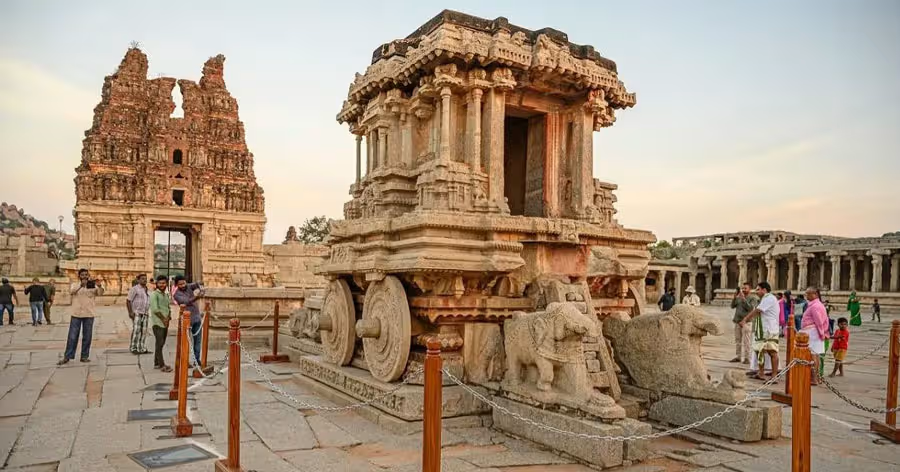
Hampi offers ancient ruins, temple complexes, rocky landscapes and dramatic sunsets. It is one of the most memorable heritage destinations in South India.
The area is spread out, so plan your transport carefully. A local guide can help you understand the ruins and reduce the stress of finding each site alone. Wear comfortable shoes and carry water because sightseeing may involve walking over uneven surfaces.
9. Ooty, Tamil Nadu
Ooty is a hill station with tea gardens, viewpoints, gardens and a cooler climate. It can be combined with Coonoor for a relaxed mountain journey.
Solo women should choose a centrally located hotel and avoid late-evening travel on isolated hill roads. Book transport in advance for sightseeing outside town.
10. Madurai, Tamil Nadu
Madurai is an excellent destination for women interested in temple architecture, South Indian food and local culture. The Meenakshi Amman Temple is the city’s main attraction.
Madurai can feel busy and energetic, so a local guide and pre-booked transport may make the experience easier. Dress respectfully when visiting the temple and follow photography restrictions.
Best Time to Travel Solo in South India
The best time depends on the exact region, but October to March is generally a comfortable period for many South India routes. Kerala, Tamil Nadu and parts of Karnataka usually offer better sightseeing conditions after the main monsoon season.
November to February is popular for cultural travel, beaches, hill stations and outdoor activities. Accommodation prices may be higher during Christmas, New Year and major holidays.
March to May can be hot in coastal and inland cities. Hill stations such as Munnar, Ooty and Coorg may provide cooler weather, although travel routes can still be busy.
June to September brings monsoon rain to many parts of South India. The landscape becomes lush and beautiful, but rain can affect hiking, boat rides, road journeys and beach plans. Solo travelers should keep their itinerary flexible during this season.
| Season | Travel Conditions | Solo Travel Advice |
|---|---|---|
| October to February | Pleasant in many destinations | Best overall season; book early |
| March to May | Hot and humid in many cities | Choose hill stations and start early |
| June to September | Monsoon rain in many regions | Keep transport and outdoor plans flexible |
How to Plan a Safe Solo Itinerary
Choose Fewer Destinations
One of the biggest mistakes solo travelers make is trying to cover too much. South India is large, and road journeys between hill stations, coastal towns and heritage cities can take longer than expected.
Choose one clear region for each trip. A 10-day Kerala itinerary might include Kochi, Munnar, Thekkady, Alleppey and Varkala. A Karnataka route could include Bangalore, Mysore, Coorg and Hampi.
Fewer destinations mean fewer check-ins, less luggage handling and more time to understand each place.
Arrive During Daylight
Whenever possible, plan arrivals during daylight. Reaching a new city in the afternoon gives you time to locate your hotel, understand the surroundings and arrange food or transport before night.
If a late arrival is unavoidable, confirm your airport or station transfer directly with the hotel or tour operator. Ask for the driver’s name, vehicle number and contact details.
Book the First Night in Advance
Even if you prefer spontaneous travel, book your first night before arriving. It is much easier to make decisions after resting than after a long flight or train journey.
Choose a hotel with recent reviews, a secure entrance, 24-hour reception or a responsible host. Read reviews from solo female travelers whenever possible.
Share Your Itinerary
Share your flights, hotel bookings, transport details and rough daily plans with someone you trust. You do not need to report every minute, but someone should know where you are staying and when you are expected to arrive.
Keep copies of your passport, visa, insurance, bookings and emergency contacts in your email and on your phone. Avoid posting your live location publicly on social media.
Keep Your Phone Charged
A charged phone is one of the most useful safety tools while traveling alone. Carry a power bank, keep mobile data active and save important numbers before leaving your hotel.
Download offline maps for destinations where internet access may be unreliable, particularly in hill and rural areas.
Using Transport Safely
Airport Transfers
Pre-book your first airport transfer through your hotel, a reliable tour company or an official prepaid taxi service. Avoid accepting unsolicited offers from people approaching you inside or outside the airport.
Confirm the driver’s name, vehicle registration and pickup point before leaving the terminal. Share these details with a trusted person.
App-Based Taxis
App-based taxi services can be useful in larger cities. Check the vehicle number and driver details before entering, and share the ride information with someone you trust. Official travel advice also recommends sharing app-based ride information with a friend or family member.
Do not enter a vehicle if the registration number does not match the app. If a driver asks you to cancel the ride and pay privately, you can refuse and book another vehicle.
Private Car with Driver
A private car with a professional driver can be a practical option for solo women traveling between destinations. It reduces the need to manage multiple transfers, carry luggage through stations or search for transport in unfamiliar areas.
Before booking, confirm the driver’s identity, company details, vehicle type, inclusions, route and payment terms. Choose a provider with recent reviews and clear communication.
Trains
Trains can be a cost-effective way to travel around South India. Book through official or reputable platforms and keep your luggage close to you.
For overnight journeys, consider an appropriate class with a berth that makes you feel comfortable. Use a luggage lock, avoid sharing personal information with strangers and keep your phone and wallet secure.
Local Buses
Local buses are affordable but can be crowded and confusing for first-time visitors. Use them during daylight if you are unfamiliar with the route. Ask your hotel for the correct stop and destination before boarding.
Auto-Rickshaws
Auto-rickshaws are useful for short journeys. Confirm the fare before starting if the driver is not using a meter. Keep your phone and valuables secure, and avoid accepting unnecessary detours or shopping stops.
Accommodation Tips for Solo Women
Your accommodation can strongly influence how comfortable you feel. A cheap hotel in an isolated area may cost less but create additional transport and safety problems.
Choose a Convenient Location
Stay close to restaurants, cafés, shops or major attractions whenever possible. A central location reduces the need for late-night transportation and makes it easier to return to your hotel during the day.
Read Recent Reviews
Focus on recent reviews that mention staff behaviour, location, cleanliness, noise, check-in, transport access and comfort for solo women. Do not rely only on professional photographs or the property description.
Look for a Secure Entrance
A hotel with reception support, secure entry and staff present at night can provide additional peace of mind. Ask whether the property has a lift, safe, CCTV or a room with a working door lock.
Keep Your Room Number Private
Do not announce your room number in public. If someone claims to be hotel staff, verify through reception before opening the door. Official travel advice also recommends keeping room numbers confidential and checking that doors have secure locks.
Choose Female-Only or Women-Friendly Options
In some cities, women-only dormitories, female-friendly hostels, family-run homestays and women-focused accommodation can make solo travel more comfortable. Always read recent reviews before booking.
South India Solo Travel Budget
The cost of solo travel depends on your accommodation, transport, food and activities. Traveling alone can sometimes cost more because you cannot split the cost of a private car or room, but you also have complete control over your spending.
A sensible budget should include accommodation, local transportation, long-distance travel, food, entrance fees, activities, shopping, travel insurance and an emergency reserve. Travel planning guidance also recommends keeping money aside for safer transport choices and last-minute changes.
| Travel Style | Accommodation | Best For |
|---|---|---|
| Budget | Hostels, simple guesthouses and homestays | Travelers using public transport and local food |
| Mid-range | Well-reviewed hotels and boutique stays | Comfort with moderate spending |
| Premium | Luxury hotels, resorts and private rooms | Travelers prioritizing privacy and convenience |
How to Save Money While Staying Safe
Book Accommodation Strategically
Do not choose the cheapest accommodation automatically. A central hotel may be slightly more expensive but can save money on daily transport and reduce the need for late-night rides.
Use Public Transport Selectively
Public buses and trains can help reduce costs. Use them for routes you understand and arrange private transport when the journey is complicated, remote or time-sensitive.
Eat Local Food Carefully
Local restaurants and thali meals can be affordable and delicious. Choose busy, clean places and drink bottled or properly filtered water.
Book Activities Directly Through Reputable Providers
Compare prices, but do not choose unknown operators solely because they offer the lowest rate. Check recent reviews and inclusions before booking.
Travel Slowly
Changing destinations every day increases transport costs. Staying two or three nights in each place can reduce expenses and make the trip easier.
Keep Emergency Money Separate
Carry some cash separately from your main wallet and keep a backup card in a secure location. Do not carry all your money in one bag.
Budget Breakdown for a Solo South India Trip
Exact costs vary by city and season, but your daily budget should account for the following categories:
- Accommodation and taxes.
- Breakfast, lunch, dinner and drinking water.
- Local taxis, buses, auto-rickshaws or app-based rides.
- Intercity trains, buses, flights or private transfers.
- Monument entrance fees.
- Guides and organized activities.
- SIM card, data and communication.
- Travel insurance.
- Shopping and souvenirs.
- Emergency transport or unexpected changes.
Before leaving, write down your estimated daily cost and add a reserve for safer transport. This prevents the common mistake of creating a budget that works only when everything goes perfectly.
Clothing and Cultural Etiquette
South India includes large cities, beaches, temples, villages, hill stations and conservative communities. Clothing that works at a beach may not be suitable for a temple or rural town.
Loose-fitting, breathable clothing is practical for hot and humid weather. A scarf or shawl is useful for covering shoulders, entering religious places or protecting yourself from the sun.
Beachwear is generally suitable at the beach or resort, but more modest clothing is appropriate in towns, temples and smaller communities. Remove shoes when required and follow instructions at religious sites.
Dressing respectfully is not about hiding your identity. It is about understanding the setting and reducing unnecessary attention.
Food and Health Tips
Drink Safe Water
Use sealed bottled water or properly filtered water. Check that the bottle seal is intact before drinking.
Eat at Clean Places
Choose restaurants that appear busy and clean. Begin with mild food if you are not used to South Indian spices.
Carry Basic Medicine
Carry medicines for common issues such as headaches, stomach problems, allergies and motion sickness. Keep prescription medication in the original packaging.
Protect Yourself from Heat
Drink water regularly, wear sunscreen and avoid long outdoor walks during the hottest part of the day.
Take Care of Your Feet
Temples, ruins and hill areas may involve a lot of walking. Wear comfortable shoes and carry basic blister care if needed.
Respect Your Limits
Solo travel can be exciting but tiring. Take breaks, sleep properly and do not feel pressured to join every activity or conversation.
How to Deal with Unwanted Attention
Some solo women may receive unwanted questions, staring, requests for photographs or attempts to start conversations. The best response depends on the situation.
- Keep your answer short and firm.
- Do not share your hotel name, room number or detailed itinerary.
- Move toward a busy shop, hotel reception or family group.
- Use your phone to call someone if you feel uncomfortable.
- Do not feel obligated to be polite when your safety feels uncertain.
- Leave immediately if someone refuses to respect your boundaries.
A confident “No, thank you” or “Please leave me alone” is enough. You do not need to argue or explain your decision.
Night Travel Safety
Night travel requires extra planning when you are alone. Avoid walking through poorly lit or deserted areas, especially if you do not know the city.
If you go out in the evening, choose a restaurant, café or cultural venue with good reviews and reliable access. Arrange your return transport before leaving your hotel if possible.
Do not accept lifts from strangers or share a private vehicle with people you do not know. Use a trusted taxi, app-based ride, hotel car or pre-booked driver.
Keep your phone charged and share your ride details with someone you trust. Official travel guidance recommends avoiding isolated areas and using reliable taxis rather than stopping unknown vehicles on the street.
Emergency Contacts and Documents
Save important numbers before you travel. India’s national emergency number is 112, while police support may also be available through local numbers. The U.S. travel advisory lists 112 for mobile emergency assistance in India.
Keep the following information accessible:
- Passport and visa copy.
- Travel insurance details.
- Hotel address and phone number.
- Emergency contact at home.
- Local driver or tour operator contact.
- Nearest hospital information.
- Embassy or consulate contact.
- Bank and card emergency numbers.
Save documents both online and offline. A printed copy can be useful if your phone battery runs out or you lose internet access.
Planning a Solo Kerala Itinerary
Kerala is one of the easiest South India routes to plan for a first solo trip. A practical 10-day itinerary could include:
- Day 1–2: Kochi and Fort Kochi.
- Day 3–4: Munnar and tea plantations.
- Day 5–6: Thekkady and spice plantations.
- Day 7–8: Alleppey backwaters.
- Day 9: Varkala or Marari Beach.
- Day 10: Departure from Kochi or Thiruvananthapuram.
This route combines history, nature, wildlife, backwaters and beach time. It is easier to manage than trying to include Kerala, Tamil Nadu and Karnataka in one short trip.
Planning a Solo Karnataka Itinerary
A Karnataka route is ideal for women who enjoy heritage, nature, coffee plantations and city culture.
- Day 1–2: Bangalore.
- Day 3–4: Mysore.
- Day 5–6: Coorg.
- Day 7–8: Hampi.
- Day 9: Return journey or Hospet.
- Day 10: Departure.
Hampi requires more walking and the destinations are spread out, so arrange local transport and start sightseeing early.
Planning a Solo Tamil Nadu Itinerary
Tamil Nadu is a strong choice for women interested in temple architecture, history, food and coastal culture.
- Day 1–2: Chennai.
- Day 3: Mahabalipuram.
- Day 4–5: Pondicherry.
- Day 6–7: Thanjavur and Trichy.
- Day 8–9: Madurai.
- Day 10: Departure or onward travel.
Temple visits require modest clothing and attention to local entry rules. A guide can make the architecture and history easier to understand.
Solo Travel Experiences Worth Trying
Take a Cooking Class
A cooking class is a safe and social way to learn about local food. Choose a class with good reviews and clear pickup arrangements.
Join a Guided Heritage Walk
Guided walks provide cultural context and allow you to explore with a group instead of walking alone through unfamiliar lanes.
Book a Wellness Treatment
Kerala is known for Ayurveda and wellness experiences. Choose an established centre and explain any medical concerns before treatment.
Visit a Local Market
Markets are a good place to observe daily life and buy souvenirs. Keep your phone and wallet secure in crowded areas.
Try a Group Activity
Group cooking classes, walking tours, boat trips and cultural programs allow you to meet other travelers while maintaining your independence.
Solo Female Travel Packing List
- Comfortable walking shoes.
- Loose-fitting, breathable clothing.
- Scarf or shawl.
- Light jacket for hill stations.
- Rain jacket or umbrella during monsoon.
- Small crossbody bag or secure day bag.
- Power bank and universal adapter.
- Copies of documents.
- Personal medicines and basic first aid.
- Padlock or cable lock for luggage.
- Hand sanitizer and tissues.
- Reusable water bottle.
- Emergency cash stored separately.
- Portable door alarm if it helps you feel more comfortable.
How to Make Solo Travel Less Lonely
Solo travel does not mean you have to be alone all the time. Stay in social but well-reviewed hostels, join walking tours, take a cooking class or choose a group activity.
Many travelers find it easy to meet people in cafés, guesthouses, cultural programs and organized day tours. At the same time, do not share too much personal information with people you have just met.
Plan regular calls with family or friends. Keeping in touch can make the journey feel more comfortable, especially during the first few days.
When to Choose a Private Driver
A private driver can be especially useful when you are traveling through hill areas, rural regions or multiple destinations. It provides door-to-door transport and reduces the need to negotiate with local vehicles after arriving in a new place.
Choose a company with a clear website, recent reviews, written confirmation and transparent pricing. Confirm whether the quoted price includes fuel, tolls, parking, driver allowance and accommodation.
Ask for the driver’s name and contact details before the journey begins. You should feel comfortable sharing your route and asking for reasonable stops.
Solo Travel Safety Checklist
- Book your first night before arrival.
- Choose a central, well-reviewed hotel.
- Arrive during daylight whenever possible.
- Pre-book airport and station transfers.
- Share your itinerary with someone you trust.
- Keep your phone charged.
- Carry emergency cash separately.
- Use trusted transport.
- Avoid isolated areas at night.
- Do not share your room number or full itinerary with strangers.
- Dress according to the local setting.
- Trust your instincts and leave uncomfortable situations.
- Keep copies of important documents.
- Allow extra budget for safer last-minute choices.
Frequently Asked Questions
Is South India safe for solo female travelers?
South India has many popular destinations that are regularly visited by solo women, but travelers should use sensible precautions. Choose good accommodation, use trusted transport, avoid isolated areas at night and share your plans with someone you trust.
Which is the best South India destination for solo women?
Kochi, Munnar, Varkala, Pondicherry, Mysore and Coorg are popular choices for solo women because they offer established tourism services, a range of accommodation and activities that can be arranged in advance.
How much money do I need for solo travel in South India?
Your budget depends on accommodation, transport, food and activities. Include daily costs for your stay, meals, local transport, intercity travel, entrance fees, insurance and an emergency reserve.
Is public transport safe for women traveling alone?
Public transport can be useful, but travelers should remain aware of belongings and surroundings. Book through official platforms, avoid empty areas at night and choose private or pre-booked transport for complicated or remote routes.
Should I use a private driver in South India?
A private driver can be helpful for multi-city routes, hill stations, rural areas and travelers carrying luggage. It reduces the stress of arranging several local transfers and allows greater flexibility.
What should women wear in South India?
Light, loose-fitting clothing is practical. In temples, villages and conservative areas, cover shoulders and knees and follow local customs. Beachwear is best kept for beaches and resorts.
Can I travel to Kerala alone as a woman?
Yes, Kerala is a popular choice for solo travelers. Kochi, Munnar, Alleppey, Varkala and Thekkady can be combined into a comfortable route with pre-booked accommodation and transport.
How can I avoid scams while traveling solo?
Use official transport, confirm prices before services, avoid unsolicited guides and rides, verify information with your hotel and do not hand over your passport or valuables unnecessarily.
What should I do if I feel unsafe?
Move to a busy public place such as a hotel reception, restaurant, shop or police station. Contact someone you trust and call emergency services if necessary. The national emergency number in India is 112.
Can I meet other travelers safely?
Yes. Join reputable walking tours, cooking classes, group activities and well-reviewed hostel events. Meet in public places and avoid sharing private accommodation details with strangers.
Final Thoughts
Traveling solo in South India as a woman can be an empowering and unforgettable experience. The region offers a wonderful combination of culture, nature, food, history, beaches, mountains and wellness.
The key is not to travel fearfully, but to travel thoughtfully. Plan your important transfers, choose accommodation carefully, keep your phone charged, dress respectfully, protect your personal information and allow enough time to understand each destination.
Start with a manageable route such as Kochi, Munnar, Thekkady and Alleppey or choose a city-based journey through Mysore, Pondicherry and Madurai. You do not have to prove anything by taking unnecessary risks or traveling without support.
Use private transport when it improves your comfort, join guided activities when you want company and take breaks whenever you need them. With sensible planning, South India can offer the independence, beauty and confidence that make solo travel so meaningful.
Plan Your South India Journey with Confidence
Get a customized South India itinerary, reliable private transportation and practical travel support designed around your comfort, interests and budget.
Ranjit Singh
India Travel Expert
Ranjit Singh helps international travelers plan private car tours, Rajasthan, South India journeys and customised India itineraries with practical local guidance.

