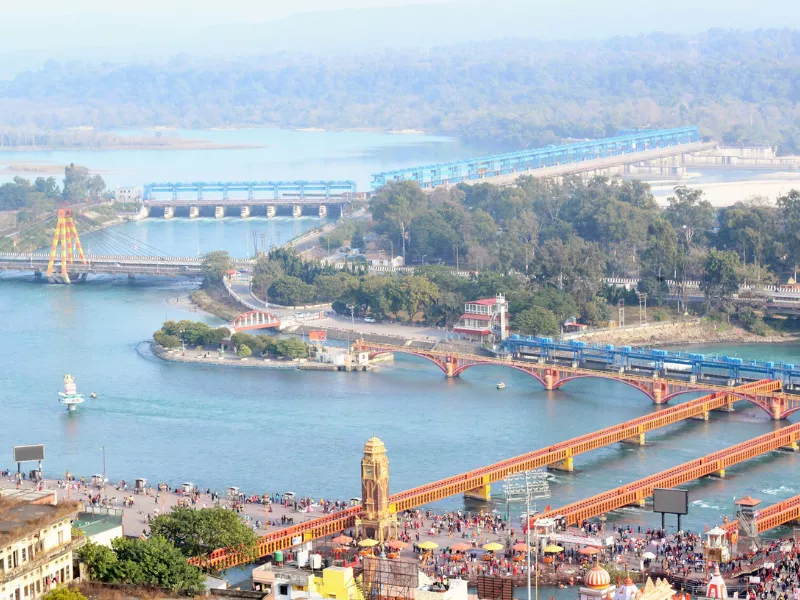
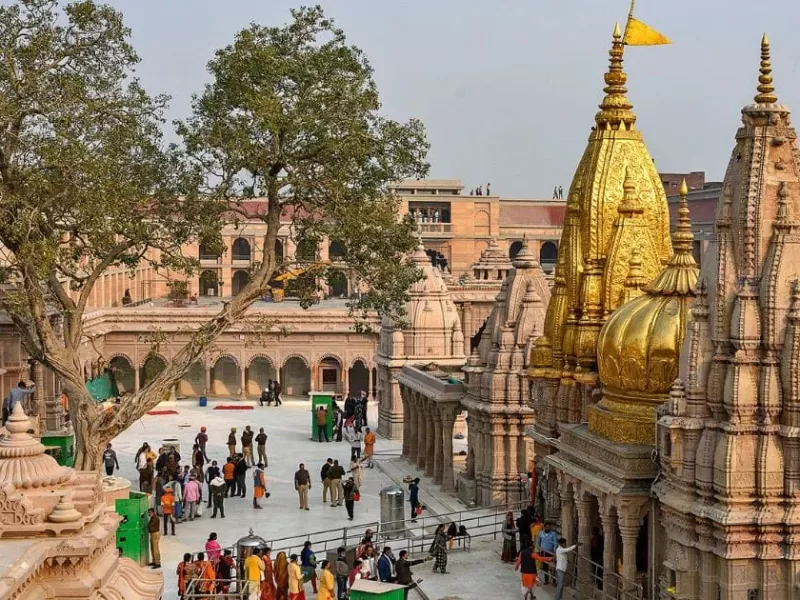
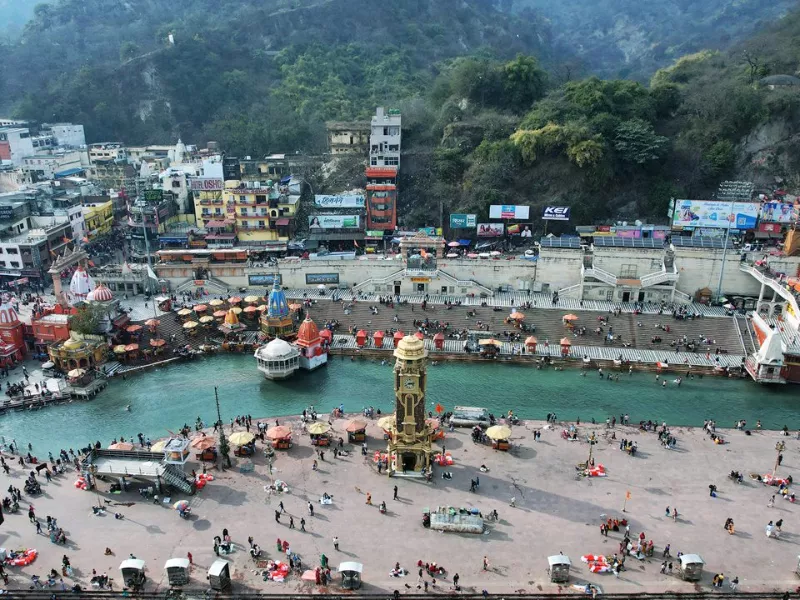
Sacred Confluences: Witness the divine meeting of rivers at Devprayag, where the Alaknanda and Bhagirathi unite to form the holy Ganges.
Tour Overview
Char Dham Yatra from Rishikesh – 9 Nights / 10 Days with Private Driver
For millions of Hindus across the world, the Char Dham Yatra is not just a trip — it is a once-in-a-lifetime calling. And if you are beginning this sacred journey from Rishikesh, you are already starting from one of India’s most spiritually charged cities.
This 10-day Char Dham Yatra from Rishikesh takes you through the four holiest shrines of Uttarakhand — Yamunotri, Gangotri, Kedarnath, and Badrinath — in the traditional clockwise order as prescribed in Hindu scripture. Each dham carries its own energy, its own story, and its own place in the heart of every pilgrim.
Rishikesh is the perfect launchpad for this yatra. You are already beside the Ganges. The mountains are right there on the horizon. And unlike pilgrims travelling from distant cities, you step into the spiritual atmosphere immediately, without the exhaustion of a long approach journey.
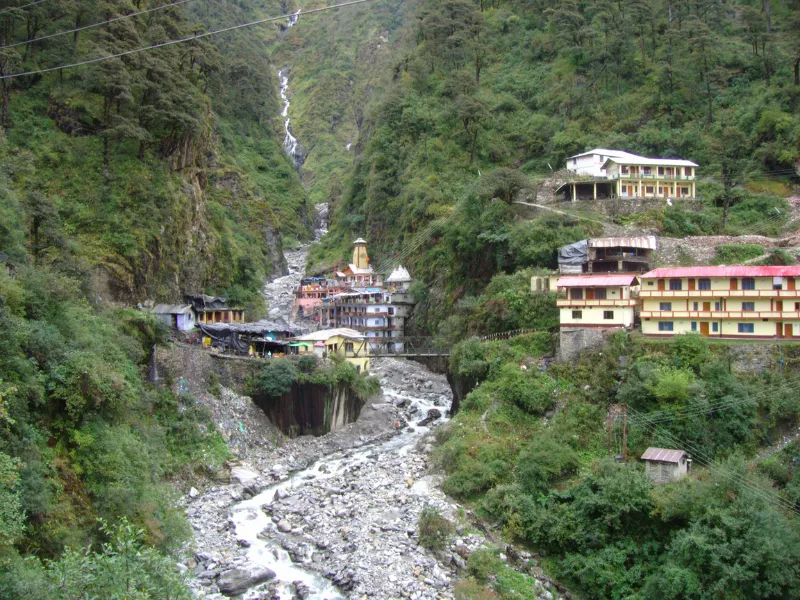
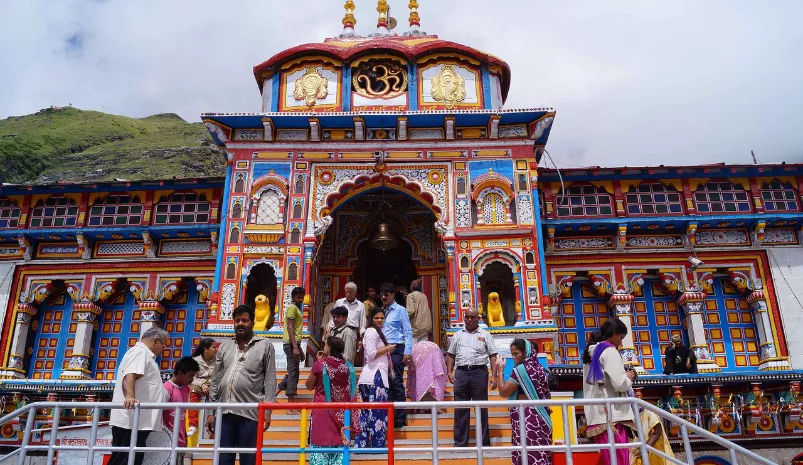
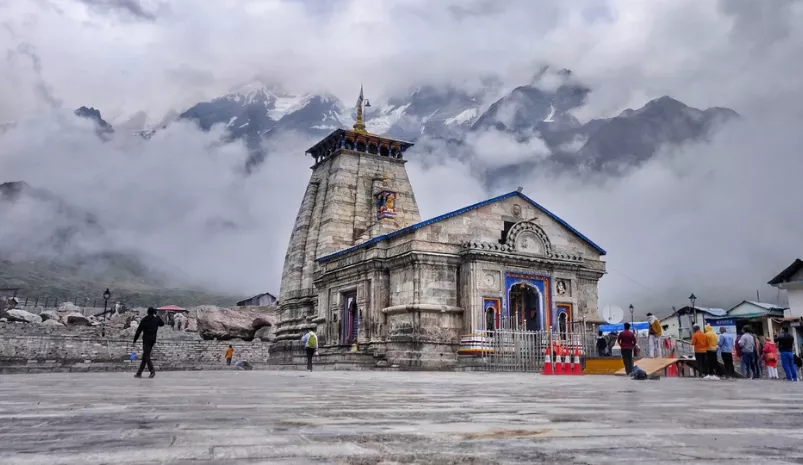
The route winds through some of the most breathtaking terrain in the Himalayas — dense deodar forests, high mountain passes, roaring rivers, and small temple towns where time seems to slow down. At Yamunotri, you trek to the source of the Yamuna and cook rice in the natural hot springs of Surya Kund. At Gangotri, you stand at the origin of the holiest river in India and witness a Ganga Aarti that stays with you long after you return home. At Kedarnath, the sight of the ancient stone temple against a backdrop of snow-covered peaks is something no photograph can truly capture. And at Badrinath, the vibrant colours of the temple, the steam rising from Tapt Kund, and the serene presence of Lord Vishnu bring the entire journey to a meaningful, peaceful close.
Throughout all 10 days, your dedicated private driver handles all the road logistics — the mountain driving, the permits, the transfers — so that your mind remains free to be fully present in each moment of this pilgrimage. You travel in a comfortable, air-conditioned vehicle, stop whenever you wish, and follow a pace that suits your health and devotion.
This is not a rushed group tour. It is your personal yatra — done with care, done with reverence, and done right.
Tour Highlights
-
-
The First Dham: Trek to Yamunotri and cook rice in the natural boiling waters of Surya Kund as a traditional offering.
-
Source of the Ganges: Offer prayers at Gangotri, the majestic white granite temple where the Goddess Ganga descended to Earth.
-
Shiva’s Abode: Stand before the ancient stone architecture of Kedarnath, one of the 12 Jyotirlingas, surrounded by towering Himalayan glaciers.
-
Vishnu’s Sanctuary: Experience the spiritual grandeur of Badrinath and take a dip in the medicinal sulfur waters of Tapt Kund.
-
India’s Last Village: Explore Mana Village, the final civilian settlement before the Tibet border, home to the mythical Saraswati River origin.
Tour Itinerary
Day 1: Rishikesh to Barkot (190 KM / 7–8 Hrs)
Your pilgrimage begins with a scenic drive from Rishikesh toward Barkot. As you ascend, the air grows crisper and the views of the Yamuna valley expand. You pass through Mussoorie’s outskirts and the majestic Kempty Falls. Upon arrival in Barkot, check into your hotel and prepare for the first trek of your journey.
Day 2: Barkot – Yamunotri – Barkot (45 KM Drive & 6 KM Trek)
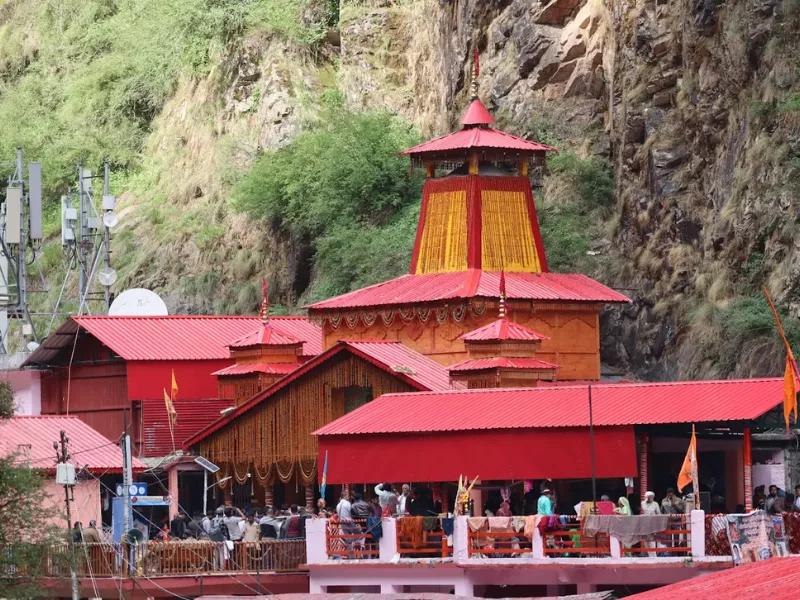
Start before dawn to reach Janki Chatti. You begin a 6 km trek (on foot, pony, or palki) to reach the Yamunotri Temple. After a holy dip in the thermal springs, offer your prayers to Goddess Yamuna. The spiritual energy of the glacier-fed river provides a powerful start to your Yatra. Return to Barkot for a restful night.
Day 3: Barkot to Uttarkashi (85 KM / 4 Hrs)
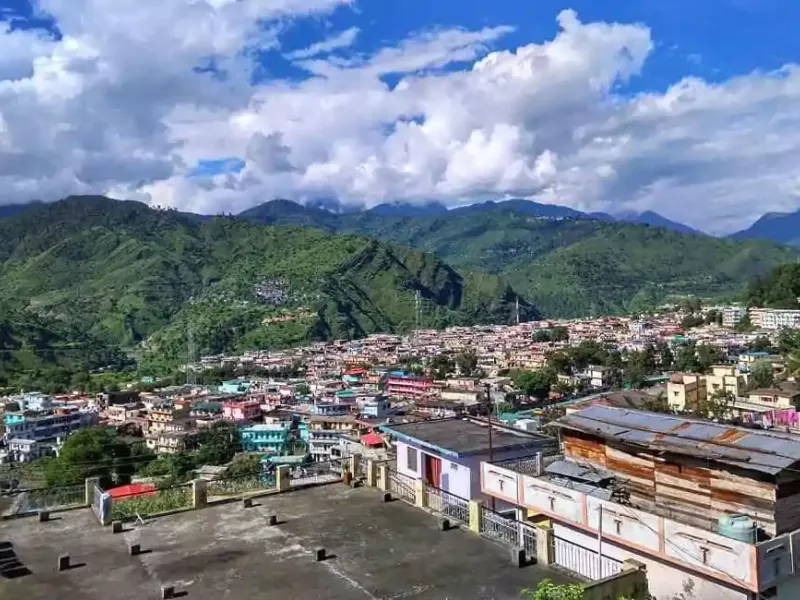
Drive toward Uttarkashi, one of the most spiritually significant towns in the Garhwal Himalayas. The road follows the Bhagirathi River through thick forests and small mountain villages. Arrive in Uttarkashi by afternoon and check in to your hotel. In the evening, explore the town and visit the ancient Kashi Vishwanath Temple.
Day 4: Uttarkashi – Gangotri – Uttarkashi (100 KM / 4 Hrs)
Travel through the breathtaking Harsil Valley to reach Gangotri Temple (3,100 m), the sacred origin of the River Ganga. Offer prayers on the banks of the Bhagirathi and experience the silence of this pristine high-altitude shrine. After darshan, descend back to Uttarkashi for dinner and an overnight stay.
Day 5: Uttarkashi to Guptkashi (220 KM / 8–9 Hrs)
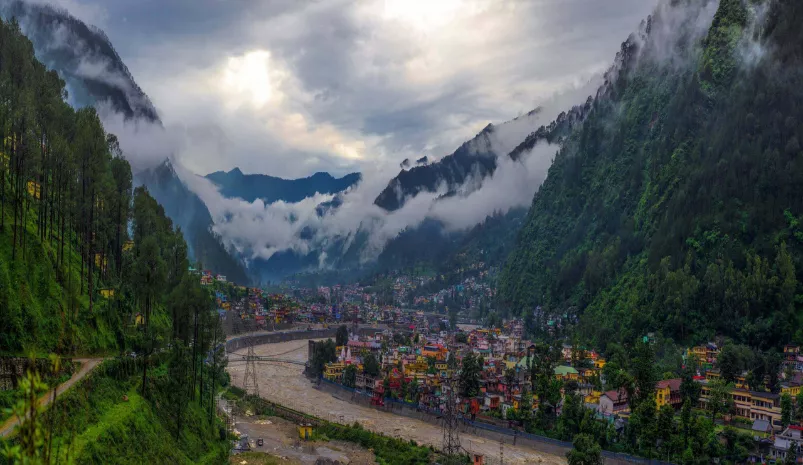
This day involves a long, scenic drive through the heart of the Garhwal region. You pass through Tehri, Devprayag (where the Alaknanda meets the Bhagirathi to form the Ganga), and Rudraprayag before reaching Guptkashi — the gateway to Kedarnath. Overnight stay in Guptkashi.
Day 6: Guptkashi to Kedarnath (30 KM Drive & 16 KM Trek)
Travel to Sonprayag and then drive to Gaurikund, the base of the Kedarnath trek. The 16 km uphill trek to Kedarnath Temple (3,583 m) passes through pine forests, glacial streams, and breathtaking high-altitude landscapes. Alternatively, helicopter services are available from nearby helipads. Overnight stay near the temple.
Day 7: Kedarnath to Guptkashi (Return Journey)
Wake up for the Nirmalya Darshan at sunrise — one of the most powerful and intimate moments of the entire Char Dham circuit. After this early morning blessing, begin the 16 km descent back to Gaurikund. Drive to Guptkashi and check in for an overnight stay to rest and recover.
Day 8: Guptkashi to Joshimath (144 KM / 5–6 Hrs)
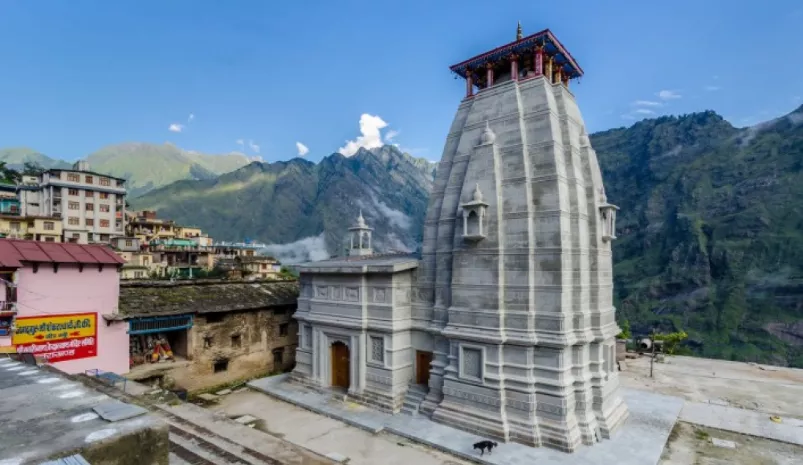
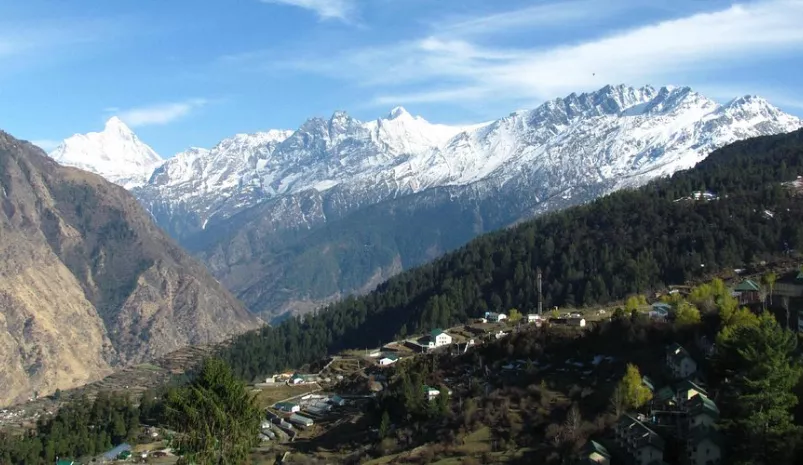
Drive toward Joshimath, the winter seat of Lord Badrinath. En route, you pass through the dramatic Rudraprayag and Karnaprayag confluences and the scenic Chamoli valley. Upon arrival, visit the Narsingh Temple in Joshimath and rest before the final day of your Yatra.
Day 9: Joshimath – Badrinath – Joshimath (40 KM / 2 Hrs)
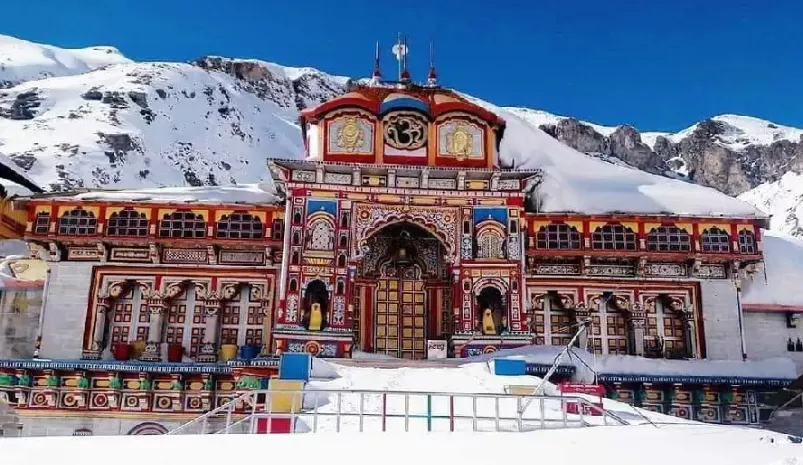
A short but steep drive brings you to Badrinath Temple (3,133 m), the crown jewel of the Char Dham circuit. Seek blessings from Lord Vishnu in one of Hinduism’s holiest shrines. Visit Tapt Kund, Brahma Kapal, and the mystical Mana Village — the last Indian village before Tibet. Return to Joshimath for the night.
Day 10: Joshimath to Rishikesh (250 KM / 7–8 Hrs)
The return leg of your Char Dham Yatra is a deeply reflective journey. As you descend through the five sacred confluences — Vishnuprayag, Nandprayag, Karnaprayag, Rudraprayag, and the awe-inspiring Devprayag — you feel the completeness of the pilgrimage. Arrive back in Rishikesh with a heart full of grace.
Tour Includes:
- Private Transport: Chauffeur-driven A/C vehicle (AC switched off in hills) for all 10 days.
- Accommodation: 9 nights stay in selected hotel categories (Budget, Deluxe, or Premium).
- Meals: Daily vegetarian breakfast and dinner.
- Logistics: All tolls, parking fees, interstate taxes, and driver allowances.
- Guided Assistance: Help with Char Dham registration and Darshan timings.
Tour Excludes:
- Trek Supplements: Pony, Palki, or Helicopter tickets to Kedarnath.
- Personal Expenses: Laundry, phone calls, and tips.
- Entry & Rituals: Specialized Puja fees or VIP Darshan tickets.
- Anything Not Mentioned: Meals or services outside the specified inclusions.
Frequently Asked Questions – Char Dham Yatra from Rishikesh
1. Why is Rishikesh considered a better starting point than Haridwar for Char Dham Yatra?
Rishikesh is 25–30 km closer to the Himalayas than Haridwar, saving travel time. It also has a deeply spiritual atmosphere — the ghats and ashrams make it an ideal place to begin your yatra with focus and devotion.
2. What are the four dhams covered in this 10-day package?
This package covers all four Chota Char Dhams: Yamunotri, Gangotri, Kedarnath, and Badrinath. The journey follows the traditional clockwise order as recommended in Hindu scriptures for maximum spiritual merit.
3. When do the Char Dham temples open and close each year?
Temples open between late April and early May and close after Kartik Purnima (October–November). Best time to visit is May or September to mid-October. Avoid July–August due to monsoon landslides.
4. What treks are involved, and what are the alternatives for those who cannot walk?
Yamunotri trek is 6 km and Kedarnath trek is 16 km one way. Pony and Palanquin (Doli) services are available at both shrines. Helicopter service to Kedarnath is also available at an additional cost.
5. What does the package price include?
Included: private AC vehicle for 10 days, 9 nights accommodation, daily breakfast and dinner, all tolls, parking, state taxes, driver allowance, and assistance with Char Dham biometric registration throughout the journey.
6. What is not covered in the package?
Not included: pony/palki/helicopter charges, lunch, bottled water, VIP Darshan passes, puja fees, personal expenses, travel insurance, and costs due to weather delays or road blockages.
7. Is it mandatory to register for Char Dham Yatra before travelling?
Yes. Uttarakhand government biometric registration is mandatory. Carry a valid photo ID (Aadhaar, Passport, or Voter ID). Your driver will guide you at registration counters. Online pre-registration is strongly recommended before departure.
Char Dham Yatra Packages
Related Tours