JAIPUR CITY GUIDE · UPDATED OCTOBER 2026
How to Spend Jaipur in 2 Days: Best Places to Visit & Complete Itinerary
Two days in Jaipur are enough to see the Pink City’s essential landmarks if you group them by location and start early. Spend Day 1 at Amber Fort, stop at Jal Mahal, then explore City Palace, Jantar Mantar and Hawa Mahal in the walled city. Use Day 2 for Albert Hall Museum, a market or craft experience, and Nahargarh Fort around sunset. This guide includes a practical route, alternatives, food and shopping tips, and advice for checking current opening information before you go.
Jaipur is the capital of Rajasthan and one of the three cities in India’s Golden Triangle, along with Delhi and Agra. Its best-known sights include hill forts, royal residences, an astronomical observatory, bazaars and distinctive pink-toned streets. The city has more attractions than most visitors can fit into a weekend, so a good two-day plan prioritises the places that interest you instead of treating every stop as compulsory.
For a driver-supported visit, see the 2-Day Jaipur Sightseeing Tour. If you are planning more of Rajasthan, explore the Rajasthan tour options, read our 7, 10 and 14-day Rajasthan itinerary guide, or combine Jaipur with Delhi and Agra on the Golden Triangle route.
Is 2 Days Enough to Visit Jaipur?
Yes. Two full days give first-time visitors time for Jaipur’s main fort, old-city landmarks, a museum, a viewpoint and a market, provided the sightseeing days are not also long arrival or departure days. If you arrive late on Day 1 or leave early on Day 2, reduce the list or add another night. Two days will not cover every museum, temple, palace, neighbourhood and nearby excursion.
The route works best when you treat Amber and Jaigarh as the hill-side group and the City Palace, Jantar Mantar and Hawa Mahal as the central-city group. These areas are separated by traffic, so trying to cross back and forth wastes time. Nahargarh is on the ridge above the city and is best scheduled on the day when you can travel there without rushing for a fixed appointment elsewhere.
Jaipur Tourism describes Amber Palace as about 11 kilometres from the main city and lists major landmarks including City Palace, Jantar Mantar, Hawa Mahal, Albert Hall and Nahargarh. Distances and drive times from your hotel will vary, so check the route on the day and allow extra time for traffic, parking and entry queues. Rajasthan Tourism’s Jaipur guide.
Jaipur 2-Day Itinerary at a Glance
| Day | Morning | Afternoon | Evening |
|---|---|---|---|
| Day 1 | Amber Fort; add Jaigarh only if you start early and want a full fort day. | Lunch break, Jal Mahal viewpoint, then City Palace and Jantar Mantar. | See Hawa Mahal from the street or visit inside if opening hours allow; walk the nearby market. |
| Day 2 | Albert Hall Museum and Ram Niwas Garden; check museum maintenance schedule before visiting. | Choose one market, craft workshop or relaxed lunch; avoid adding distant stops. | Nahargarh Fort for city views, or Birla Mandir and a cultural dinner if you prefer an easier evening. |
This table is a framework rather than a fixed timetable. If you want to visit Jaigarh Fort, give it time by removing one of the old-city sites or shortening the museum and shopping stops. If you are travelling with children, older adults or anyone who needs frequent breaks, plan fewer attractions each day.
Day 1: Amber Fort, Jal Mahal and the Walled City
Start early at Amber Fort
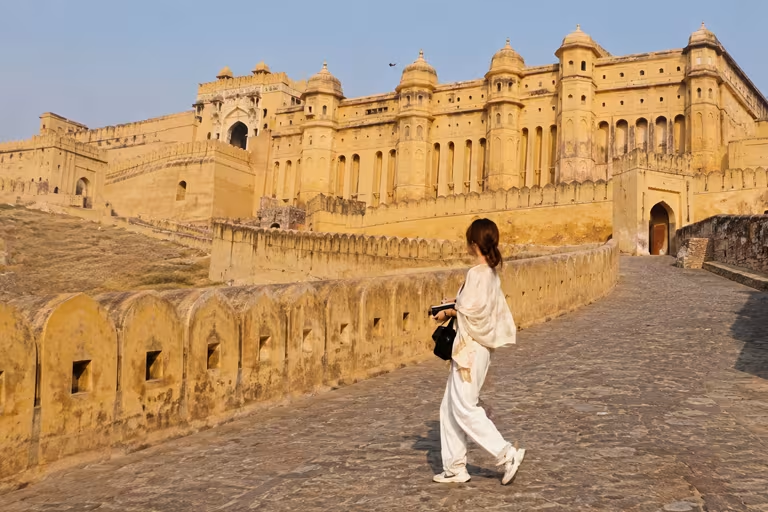
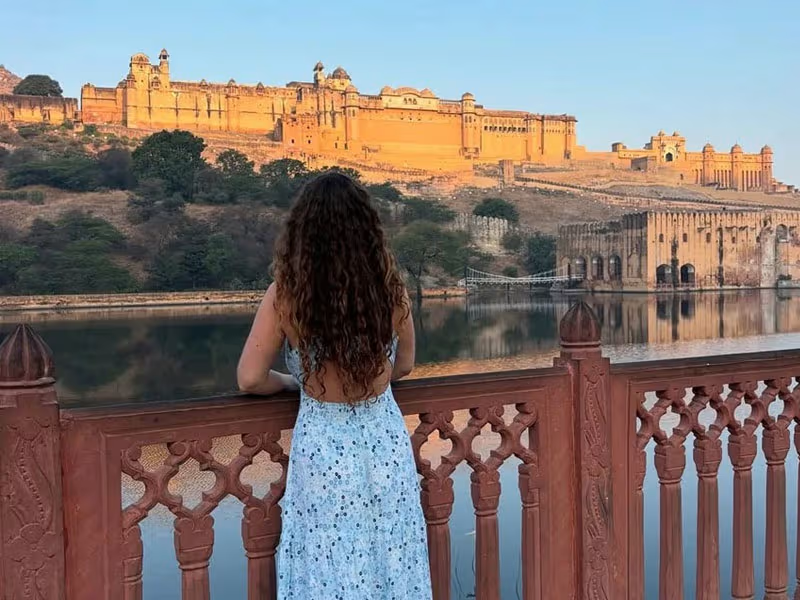
Begin at Amber Fort, also written as Amer Fort or Amber Palace. The hilltop complex is one of Jaipur’s most important historic sites, with courtyards, gateways, halls, gardens and views toward Maota Lake. Its architecture brings together Rajput and Mughal influences. The Sheesh Mahal, or Mirror Palace, is among the best-known interiors, but the wider complex is worth exploring beyond one photo stop.
Arrive near opening time if possible. Early visits are generally more comfortable, especially in warm months, and leave more of the day for the old city. The complex includes slopes, steps and uneven stone surfaces. Wear shoes with grip, carry water and allow enough time for the entrance, security and walking between sections. Check current entry arrangements and opening information through official channels before setting out.
For a first visit, allow roughly two to three hours, adjusting for pace, crowds and whether you hire a guide. A local guide can explain how the fort was used and point out features that are easy to miss when walking through the courtyards alone. If you prefer an independent visit, read the site information in advance and avoid rushing through the palace areas.
Good to know: Jaipur Tourism identifies Amber as a substantial palace-fort complex with four main courtyard sections. This is not a quick roadside stop; keep enough time for the visit. Official Amber Palace information.
Should you add Jaigarh Fort?
Jaigarh Fort is on the ridge above Amber and offers defensive architecture and broad views. It is a good addition for visitors particularly interested in forts, military history or panoramas. It is not essential to every two-day Jaipur itinerary. Visiting both forts thoroughly can make the morning long, so choose based on your interests and energy.
If you include Jaigarh, start early and keep the rest of Day 1 flexible. One sensible adjustment is to see Amber and Jaigarh, stop briefly at Jal Mahal, then choose only two among City Palace, Jantar Mantar and Hawa Mahal. If you would rather see more of the walled city, spend the extra time at Amber and skip Jaigarh.
Do not assume that every connection between the forts is open or suitable for visitors. Follow current site directions, use the designated entrances and ask at the ticket office about access. Avoid unverified shortcuts or walking routes in the heat.
Pause for lunch and rest
After the fort area, have lunch before heading into central Jaipur. A full meal and a break help make the afternoon more comfortable, particularly in hot weather. If you have dietary restrictions, allergies or a preference for mild food, tell the restaurant clearly and check ingredients rather than relying on dish names alone.
Lunch is also a good point to review the day. Check the live route and the remaining opening hours before deciding whether to visit City Palace, Jantar Mantar and Hawa Mahal interiors. If the schedule is slipping, keep the nearby central sights and leave a longer market visit for Day 2.
Stop at Jal Mahal viewpoint
Jal Mahal, the Water Palace, stands in Man Sagar Lake and is commonly viewed from the lakeside road. For most visitors, this is a short photo stop rather than a long attraction. The palace’s appearance changes with light, water level and weather; access to the building itself is restricted, so do not plan around entering it unless current official arrangements say otherwise.
Keep the stop short and use a safe designated area. Traffic along the road can be busy, and stopping where it blocks vehicles or pedestrians is not appropriate. If time is limited, take a few photographs and continue toward the walled city.
Explore City Palace
City Palace occupies a central position in the old city. Its courtyards, gateways, museum rooms, textiles, costumes, arms and decorative details provide context for Jaipur’s royal history. Some areas may be subject to different ticket options or access rules. Check which sections your ticket covers before entering.
Rather than moving quickly from room to room, look at the courtyards and architectural details, and ask a guide about the palace’s continuing role. Jaipur Tourism notes that the complex includes Mubarak Mahal and the Maharani’s Palace, among other buildings. The site is still connected to the former royal family, with private areas that are not part of ordinary visitor access.
Plan around one to two hours depending on your interest and ticket. If you are passionate about history or photography, you may want longer; if you also want Jaigarh and shopping on Day 1, shorten this visit or move a central-city stop to the second day.
Visit Jantar Mantar
Jantar Mantar lies close to City Palace, making it a logical next stop. The observatory’s large geometric instruments were built to observe celestial movements and measure time. It is a UNESCO-listed site and one of Jaipur’s most distinctive attractions. The instruments make more sense when their purpose is explained, so consider a licensed guide or an official audio guide.
Give yourself enough time to read the displays and understand how the instruments work. The site is largely outdoors, so sun protection matters. Rajasthan Tourism lists current entry information on its site, but hours, tickets and access can change; check the latest details before your trip. Jantar Mantar Jaipur visitor information.
End near Hawa Mahal and the old city

Hawa Mahal, the Palace of Winds, is one of Jaipur’s signature landmarks. Its pink sandstone façade has rows of small latticed windows, designed so members of the royal household could observe street life. The building is close to the City Palace and Jantar Mantar, so it fits naturally at the end of your old-city sightseeing.
You can admire the façade from the street or visit the interior for a different perspective and views through its windows. The outside view is quick; an interior visit needs additional time and depends on current opening arrangements. Rooftop cafés opposite Hawa Mahal can offer a raised view, but check the menu and prices before ordering.
Afterwards, walk through one nearby market if you still have energy. Johari Bazaar is associated with jewellery and gemstones; Bapu Bazaar has textiles, footwear and souvenirs. Markets are busiest at certain times, and traffic may be slow, so agree on a pickup point with your driver rather than expecting a vehicle to wait directly beside a crowded lane.
Day 1 overnight: Jaipur.
Day 2: Albert Hall, Markets and Nahargarh Views
Begin at Albert Hall Museum
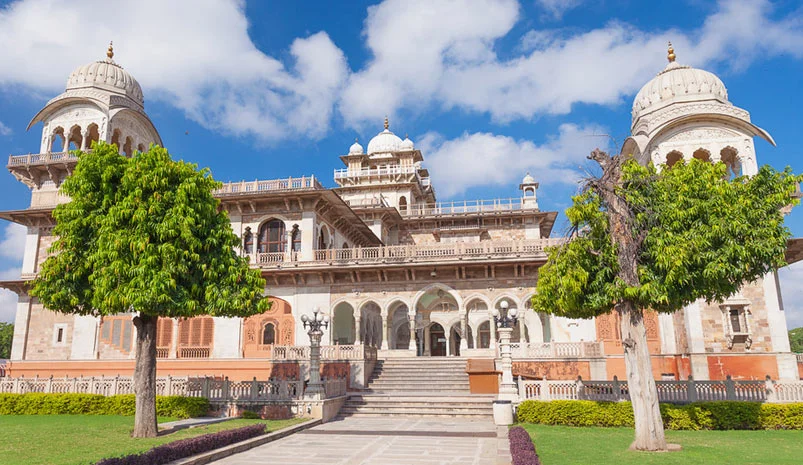
Start at Albert Hall Museum in Ram Niwas Garden. The building itself is one of Jaipur’s architectural landmarks, while the collections include decorative arts, textiles, arms, sculpture, pottery and paintings. Choose a few galleries that match your interests rather than trying to inspect every object in a short visit.
Check the museum’s current hours and maintenance-day notice before you go. Its published schedule can include recurring maintenance closures that vary by season, and public holidays or special events may affect access. The Government of India’s Museums of India listing gives museum details; verify the latest notice close to your visit. Albert Hall Museum listing.
Allow around one to two hours, depending on how much of the collection you want to see. If the museum is closed, visit another attraction that is open or begin with a market and move Nahargarh earlier. Avoid making the whole day depend on a single attraction.
Choose a market, craft workshop or relaxed lunch
Use the late morning for one focused experience. You could browse a market, visit a reputable block-printing workshop, see a craft demonstration or take a longer breakfast. Jaipur has a strong craft tradition, but the quality and sales approach vary between shops. If you want to buy something valuable, compare more than one seller, ask for a bill and understand the return or exchange policy.
Market options include Johari Bazaar for jewellery, Bapu Bazaar for textiles and footwear, and Tripolia Bazaar for lac bangles and other goods. These are busy working markets rather than curated museum streets. Keep your belongings secure, agree on a meeting point and avoid blocking shop entrances while taking photos.
For a quieter alternative, visit a craft museum or workshop with a clear demonstration and transparent pricing. If you are travelling with children or older family members, an indoor workshop may be more comfortable than walking through several crowded bazaars.
Go to Nahargarh Fort for city views
Nahargarh Fort stands on the Aravalli ridge above Jaipur and gives a broad view across the city. The fort includes Madhavendra Bhawan and palace spaces, as well as viewpoints that are especially popular around sunset. The road is winding and traffic can build up near popular times, so leave enough time to reach the entrance and walk to the viewpoints.
Sunset is not guaranteed to be clear or colourful; weather, haze and crowds affect the view. If you prefer fewer people, arrive earlier and explore the fort before the busiest period. Check current opening arrangements and transport access before you go. Bring water and a light layer in cooler months.
Do not try to fit Jaigarh, Nahargarh, Amber, the full old city and several markets into one day. Nahargarh is a good Day 2 finish because it is a separate hill-side visit and gives the schedule breathing room after the central-city museums and shopping.
Birla Mandir: optional calm stop
Birla Mandir, also called Lakshmi Narayan Temple, is a white marble temple near Moti Dungri. It can be a peaceful visit if the timing works, but it is not essential to the two-day sightseeing route. Temple entry and photography rules apply; remove shoes where required and respect worshippers.
Choose Birla Mandir instead of, not in addition to, a rushed Nahargarh visit if your group wants a quieter afternoon. It can also be a better option for travellers who prefer a shorter walk and an easier return to the hotel.
Finish with dinner or a cultural programme
For your final evening, choose a restaurant, a cultural show or a relaxed walk based on how the day has gone. Rajasthani food to look for includes dal baati churma, gatte ki sabzi, ker sangri, laal maas, pyaz kachori and ghewar. Recipes vary and some dishes can be rich or spicy, so ask about ingredients and spice levels.
If you book a folk music or dance performance, confirm the start time, duration, transport and what the ticket includes. Treat performances as cultural programmes rather than assuming every venue represents the same tradition. Return to your hotel with enough time for an early departure if you are leaving Jaipur the next morning.
Day 2 overnight: Jaipur.
Best Places to Visit in Jaipur in 2 Days
Amber Fort
Amber Fort is the priority for most first-time visitors. Its hill setting, courtyards, palace halls and views make it a substantial visit. Go early, wear walking shoes and check access information. If you have mobility needs, ask in advance about the route, steps and transport options within the site.
City Palace
City Palace gives a closer look at Jaipur’s royal history through its courtyards, architecture and museum collections. Check the ticket type, which areas it covers and whether any special access option matters to you.
Hawa Mahal
Hawa Mahal is an essential photo stop and a compact interior visit near the market streets. The view from across the road is often enough for a short itinerary; visit inside if you want to see the windows and city views from the upper floors.
Jantar Mantar
This historic observatory is most rewarding when you learn what the instruments measure. An official audio guide or knowledgeable guide can turn a quick walk into a more memorable visit.
Jal Mahal
Jal Mahal is best treated as a brief roadside viewpoint stop. Access to the palace is restricted under ordinary visitor arrangements, so check official information before planning anything beyond the public view.
Nahargarh Fort
Nahargarh offers panoramic views over Jaipur and is a good choice for the second evening. The approach road and sunset crowds require extra time; do not schedule it too close to a flight or a fixed dinner booking.
Albert Hall Museum
Albert Hall is a strong choice for architecture and museum collections. Check its operating schedule and maintenance closures before setting the day’s route.
Jaigarh Fort
Jaigarh is a worthwhile optional fort for travellers who want more military history and hill views. If you include it, reduce another stop to keep the itinerary comfortable.
How to Get Around Jaipur
A private car with a driver is useful when you want hotel pickup, a transfer to Amber Fort and a return after sightseeing without arranging several separate rides. It can also help families, groups and travellers carrying luggage. Confirm the vehicle, service hours, route, parking, tolls, driver allowance and extra charges in writing. A driver is not automatically a licensed guide inside monuments.
Auto-rickshaws and app-based or local taxis can work for individual transfers. Agree on the destination and fare or app price before leaving. During heavy traffic, a vehicle may not be able to reach a narrow bazaar lane; plan a clear drop-off and pickup point a short walk away.
Jaipur Metro and public buses can be useful on selected city journeys, depending on the stations and stops near your hotel and attractions. Check the current route map, service hours and ticket information before relying on transit for a timed visit. Walking is pleasant in some compact areas, but distances, heat, pavements and traffic crossings can make a short map distance less comfortable than expected.
For two days, many travellers use a mix: a car or taxi for Amber and Nahargarh, and walking for the central walled-city landmarks. Choose the mode for each leg rather than assuming one type of transport will be best all day.
Where to Stay in Jaipur for a Two-Day Visit
Old City and nearby areas
Staying near the walled city can make early visits to City Palace, Jantar Mantar, Hawa Mahal and the markets easier. The area is lively and can be congested, and some heritage properties have stairs, narrow corridors or limited vehicle access. Confirm the exact hotel address, luggage drop-off and parking arrangements before booking.
Bani Park
Bani Park has a mix of hotels and guesthouses and can offer a quieter base while remaining connected to central Jaipur. Check the route to the places you plan to visit and the traffic pattern at your expected departure time.
C-Scheme
C-Scheme has restaurants, business hotels and city services. It can suit travellers who want contemporary accommodation and dining options, though you will need transport to reach the old city and Amber.
Amer area
Staying near Amer can suit travellers who want an early start at Amber Fort or a quieter setting outside the centre. It is less convenient for evening shopping and central attractions, so check the time and cost of transfers before choosing it for a short stay.
For a two-day visit, location matters more than adding a luxury room far from the route. Read recent reviews, verify cancellation terms, check breakfast hours if you plan an early fort visit, and ask about lifts or ground-floor rooms when needed.
What to Eat During Two Days in Jaipur
Jaipur’s food reflects Rajasthan’s desert climate, local ingredients and royal and household traditions. You can try a thali for variety or order a few dishes to share. Look for places with clear menus and good food turnover, and tell the staff if you need mild food, vegetarian options or allergy accommodations.
- Dal baati churma: Lentils served with baked wheat baati and sweet or savoury churma.
- Gatte ki sabzi: Gram-flour dumplings in a spiced yoghurt-based gravy, with recipes varying by restaurant.
- Ker sangri: A traditional preparation using desert beans and berries, often served as a side.
- Laal maas: A rich, spicy meat curry; ask about heat level before ordering.
- Pyaz kachori: A popular savoury snack filled with spiced onion.
- Ghewar: A honeycomb-like sweet often associated with festivals and special occasions.
- Chai and lassi: Widely available; choose a clean, busy outlet and check dairy ingredients if relevant.
For a first Jaipur meal, a reputable restaurant or hotel dining room is a comfortable choice. A local food walk can be useful if you want to try several small dishes with context, but ask what is included and share any dietary needs when booking.
Shopping in Jaipur: What to Look For
Jaipur is known for jewellery and gemstones, block-printed textiles, blue pottery, leather footwear, lac bangles, miniature paintings and handicrafts. The markets can be crowded and prices vary. Take time to compare, ask whether an item is handmade or machine-produced, and request a bill for higher-value purchases.
Johari Bazaar
Johari Bazaar is associated with jewellery and gemstones. If you are buying precious stones or expensive pieces, use an established seller, ask for certification and an itemised bill, and avoid making a rushed purchase based only on a short demonstration.
Bapu Bazaar
Bapu Bazaar is popular for textiles, footwear, souvenirs and everyday shopping. Prices and quality differ between shops, so compare before buying. Check stitching, fabric and return rules for clothing and footwear.
Tripolia Bazaar and craft stores
Tripolia Bazaar is known for bangles and household goods. Craft stores and workshops may offer block printing, pottery and other demonstrations. A workshop can be more informative than a quick retail stop, especially if the maker has time to explain materials and techniques.
Shopping is optional; do not let it crowd out the attractions you came to see. If a tour includes a showroom stop, clarify whether it is optional and whether the driver or operator receives a commission.
Best Time to Visit Jaipur
October to March is commonly preferred for sightseeing because daytime conditions are usually more manageable than the peak summer heat. Winter mornings and evenings can feel cold, especially in December and January, so carry a light warm layer. This is also a popular period for visitors, which can mean higher demand at hotels and attractions.
April to June can be very hot. If you travel then, start outdoor sightseeing early, take a midday break indoors, wear breathable clothing and drink safe water. Keep the fort visit shorter if the heat is affecting anyone in your group.
July to September brings monsoon weather and humidity. Rain can make the day greener, but outdoor plans and road times may need flexibility. Check the local forecast before visiting hill forts or viewpoints and keep an indoor alternative in mind. Rajasthan Tourism notes that the best season depends on your plans and heat tolerance; consult its current seasonal guidance alongside a forecast for your dates.
| Season | What to expect | Planning advice |
|---|---|---|
| October to November | Warm days and generally more comfortable evenings; conditions can vary. | Good for outdoor visits; confirm festival dates and book popular stays early. |
| December to February | Comfortable daytime sightseeing with cooler mornings and evenings. | Carry a light layer and allow time for peak-season queues. |
| March to June | Increasing heat, often strongest in the afternoon. | Start early, rest indoors at midday and reduce outdoor stops on very hot days. |
| July to September | Rain and humidity may affect outdoor plans. | Check weather and road conditions; keep the itinerary flexible. |
Jaipur for Families, Couples and Senior Travellers
Families with children
Families can enjoy Amber Fort, the museum, market browsing and a short cultural experience, but two days of monuments can be tiring for children. Plan regular water and meal breaks, avoid the hottest hours and do not overfill the route. Confirm child-seat availability with your transport provider if you need one; do not assume it is included.
Couples
Couples may enjoy an early fort visit, an unhurried lunch, a rooftop dinner and a sunset viewpoint. Book a cultural show only if it fits comfortably around the sightseeing plan. Leave at least one evening open rather than scheduling every hour.
Senior travellers
For senior travellers, check walking distances, steps, handrails, seating and vehicle drop-off points before visiting. Amber, Jaigarh and Nahargarh involve slopes or uneven surfaces. Consider a private vehicle for transfers, take breaks and choose fewer attractions if heat or mobility is a concern.
How Much Does a 2-Day Jaipur Trip Cost?
There is no single cost for a Jaipur weekend. The total depends on hotel category, travel season, number of people, transport choice, guide services, monument tickets, shopping, meals and optional cultural activities. Ask for a current quote based on your dates and list what is included.
| Cost category | What affects the price | What to confirm |
|---|---|---|
| Accommodation | Location, room type, season, breakfast and cancellation terms. | Taxes, breakfast, parking, extra beds and check-in arrangements. |
| Transport | Car type, hours, pickup points and route. | Fuel, parking, tolls, driver allowance, waiting time and extra charges. |
| Entry and guides | Sites visited, ticket type and guide language. | Current ticket rules and whether the guide is licensed and included. |
| Food and activities | Restaurant style, food walk, workshop or cultural show. | Menu prices, inclusions, duration and refund terms. |
For a private sightseeing service, confirm whether the car is reserved for a set number of hours or for a defined route. Ask whether airport or railway-station pickup is included, and whether the driver will wait while you visit monuments. Entry tickets and licensed guides are often separate unless explicitly listed.
Common Mistakes to Avoid
- Starting late for Amber Fort: Later arrivals can mean heat, queues and less time for the walled city.
- Trying to see every fort: Amber, Jaigarh and Nahargarh are all substantial visits. Choose based on your priorities.
- Crossing the city repeatedly: Group nearby sights together and check traffic before setting the order.
- Treating Jal Mahal as a long visit: For most visitors it is a short viewpoint stop; public access to the palace is restricted.
- Assuming a museum will be open: Check current opening and maintenance information before the day.
- Planning a flight immediately after sightseeing: Traffic and queues can shift the schedule; leave a buffer before trains or flights.
- Booking shopping stops without clarity: Ask whether they are optional and check prices before buying.
- Ignoring mobility and heat: Forts have slopes and steps; adapt the number of stops to the group.
Frequently Asked Questions
What are the best places to visit in Jaipur in 2 days?
Prioritise Amber Fort, City Palace, Jantar Mantar, Hawa Mahal, Albert Hall Museum and Nahargarh Fort. Add Jal Mahal as a short viewpoint stop. Jaigarh Fort, Birla Mandir and markets are useful options depending on your interests and pace.
Is 2 days enough to visit Jaipur?
Two full days are enough for Jaipur’s main landmarks and one or two local experiences. They are not enough to see every attraction or nearby excursion. If your arrival or departure takes up part of a day, remove stops or add another night.
Which day should I visit Amber Fort?
Visit Amber Fort on the first morning so you can start early and group it with nearby Jaigarh or Jal Mahal if you choose. Check current opening and access information before travelling.
Can I visit Amber Fort, Jaigarh Fort and Nahargarh Fort in one day?
It is possible to visit parts of all three, but it makes for a very full day and leaves little time for Jaipur’s old city. For a first visit, focus on Amber and choose either Jaigarh or Nahargarh. The route in this guide places Nahargarh on Day 2 to avoid rushing.
Can I visit Jaipur without a private car?
Yes. You can combine walking, public transport, auto-rickshaws and taxis. A private car is convenient for Amber and hill forts, hotel transfers, families and groups, but it is not necessary for every central-city visit.
Is Jaipur safe for tourists?
Jaipur receives many domestic and international visitors. Use normal travel precautions: secure valuables, choose reputable transport and guides, agree on prices before optional services, follow local instructions and be cautious in crowded markets. Ask your hotel for current neighbourhood and transport advice.
What should I buy in Jaipur?
Popular purchases include block-printed textiles, blue pottery, jewellery, lac bangles, leather footwear and handicrafts. Compare quality and price, request a bill for costly items, and use a reputable seller for gemstones or precious jewellery.
What is the best area to stay in Jaipur for two days?
The Old City or a nearby central area is convenient for Hawa Mahal, City Palace, Jantar Mantar and markets. Bani Park and C-Scheme offer other hotel choices with different access and atmosphere. Choose based on your route, parking needs, mobility and budget.
Is Jaipur suitable for a weekend trip?
Yes. Two full days make a good first weekend in Jaipur. Arrive the previous evening if possible and avoid scheduling a major attraction immediately before a flight or long-distance train.
Should I visit Nahargarh Fort during the day or at sunset?
Sunset is popular for city views, but it also attracts crowds and depends on weather and visibility. Visit earlier if you want a quieter exploration or need a predictable return time. Check current access details and allow time for the hill road.
Can I include Jaipur in a Golden Triangle tour?
Yes. Jaipur is one of the three Golden Triangle destinations, along with Delhi and Agra. Many travellers allow one or two days in Jaipur before continuing to Agra, Delhi or other parts of Rajasthan. See the Golden Triangle tour route for a short-circuit option.
How do I keep a two-day Jaipur plan comfortable?
Start early, group sights by location, leave a proper lunch break and pick only one or two optional attractions. Check opening information before departure and keep a backup for weather, maintenance closures or traffic.
Final Thoughts: Make Two Days Count Without Rushing
Jaipur in two days is most enjoyable when you balance its grand landmarks with time to notice the city around them. Spend a morning in Amber, explore the central palaces and observatory, look up at Hawa Mahal from the old city, and leave the second day for a museum, a market and the views from Nahargarh.
You do not need to visit every fort, bazaar and museum to understand Jaipur. Choose the places that match your interests, check current visitor information, plan transport around the city’s geography and take breaks when the heat or crowds build. If Jaipur is one stop in a larger Rajasthan trip, keep an eye on the next transfer and avoid turning departure day into a sightseeing marathon.
With a clear route and realistic timing, a short Jaipur visit can still include history, architecture, food, shopping and a memorable view over the Pink City.
PLAN YOUR JAIPUR VISIT
Explore Jaipur with a Practical Sightseeing Route
Share your dates, hotel location, arrival details and preferred pace to plan Jaipur sightseeing with private transport and clear inclusions.

Narendra Singh
India Travel Expert
Narendra Singh helps international travellers plan comfortable journeys across India, with practical guidance on private car travel, hotels, local culture and customised itineraries.
Monument opening arrangements, ticket rules, local transport, weather and event schedules can change. Confirm current information with official authorities and service providers before travel. Drive times depend on traffic, road conditions and your hotel location.